Your situation
Sports osteopathy: when an injury comes back every time you return to sport
Tendinitis that settles with rest and flares up again at the first training session back. An ankle that still rolls, months after the sprain. When an injury keeps coming back, something is keeping it going. That is what we look for. Running, the gym, combat sports, team sports or racket sports: consultations in Paris 8 and Vitry-sur-Seine.
What we can help with
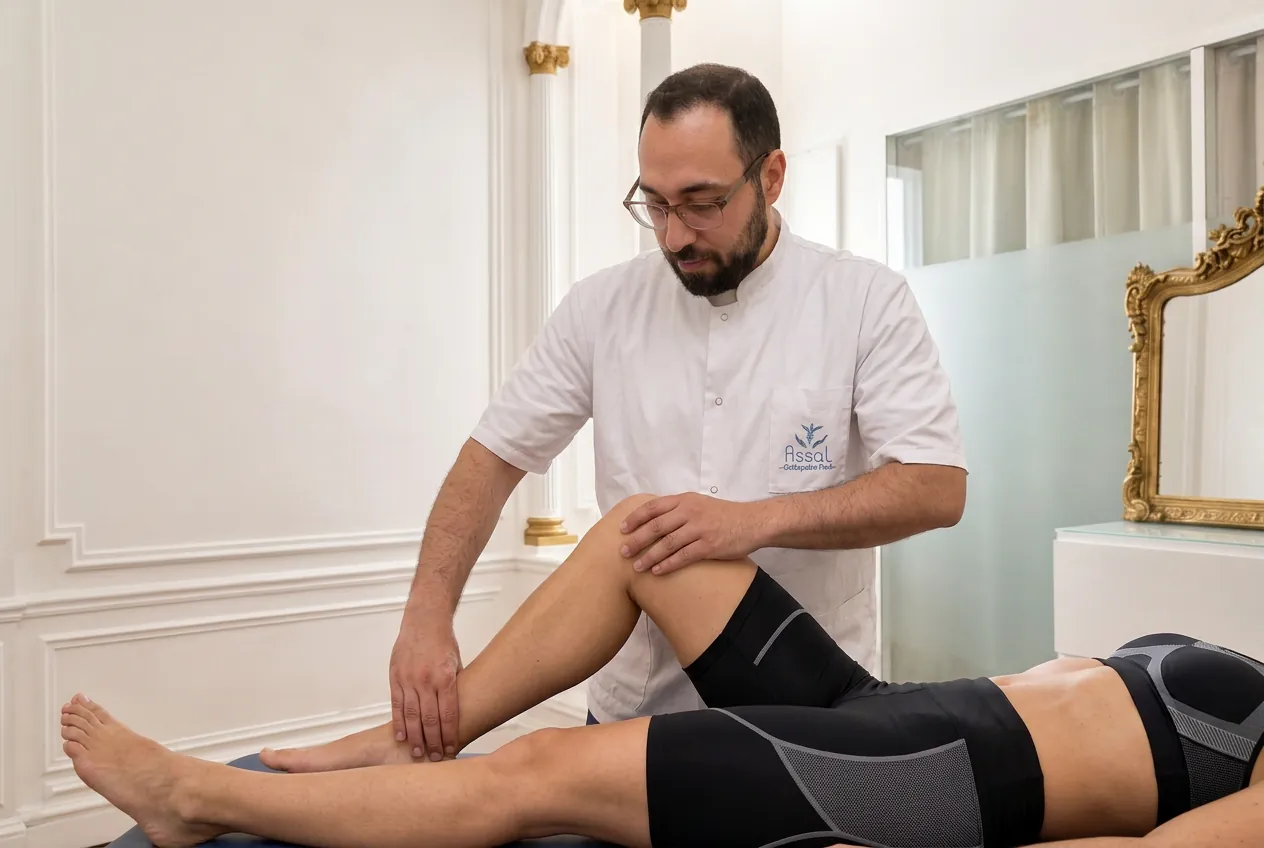
What brings athletes to the clinic
Some come in with an injury. Others come when nothing hurts, ahead of a big event or because they are not recovering as well as they used to. Both approaches make sense.

When the injury keeps coming back

Tendinitis that flares up every time you return to training.
Achilles tendon, knee, shoulder or elbow: the pain eases with rest and comes back as soon as the training load goes up again.

Repeated sprains.
Your ankle gives way as you land from a jump or on uneven ground. Each sprain paves the way for the next.

Muscle tightness that keeps returning to the same spot.
At the back of the thigh, in the calf: the muscle always tightens in the same place, season after season.

Groin pain (pubalgia).
Your groin and pubic bone hurt as soon as you speed up or change direction.

A back that gives out under effort.
Low back pain that strikes when you lift a barbell, or that sets in towards the end of a match.
After an injury or a knock

Returning to sport after an injury or surgery.
Your doctor clears you to return, but your body has not forgotten. It has got into the habit of protecting the injured area, and that protection carries over to other parts of the body.

The after-effects of a knock.
A fall, a punch taken in boxing: the body remembers it long after the pain has gone. Years later, a blow to the head can keep pain going much lower down, right into the back.
When nothing hurts

Before a big event.
A race or a fight is coming up. We check which areas have lost mobility, early enough for your body to have time to absorb the session.

To recover better.
Athletes who come in when they are not in pain often gain range of motion and recover more comfortably.
Why the injury comes back
Why an ordinary training session is sometimes all it takes to get injured
When a session like any other is enough to injure you, your body was already vulnerable.
A basketball player comes to see us about groin pain that runs down her thigh. It came on after a training session, just another one. The sports doctor concluded it was muscle tightness and referred her to a physiotherapist, and rightly so: everything points to the muscle. The pain eases with heat and exercise, and comes back at rest and in the car.
Yet one question remains unanswered. Why was that particular session, after so many others, enough?
In her case, the starting point lay far from the thigh, in the craniosacral axis, which connects the base of the skull to the sacrum. Next came the lower ribcage, then the pelvis. The muscle was compensating for all these areas, with every run and every jump. We released these compensations in the order the body revealed them.
Treating only the muscle brings relief for a while. Treating what overloads it means it no longer has to compensate.
Read the article: Fascia, the little-known tissue that connects the whole body
The repeated movement
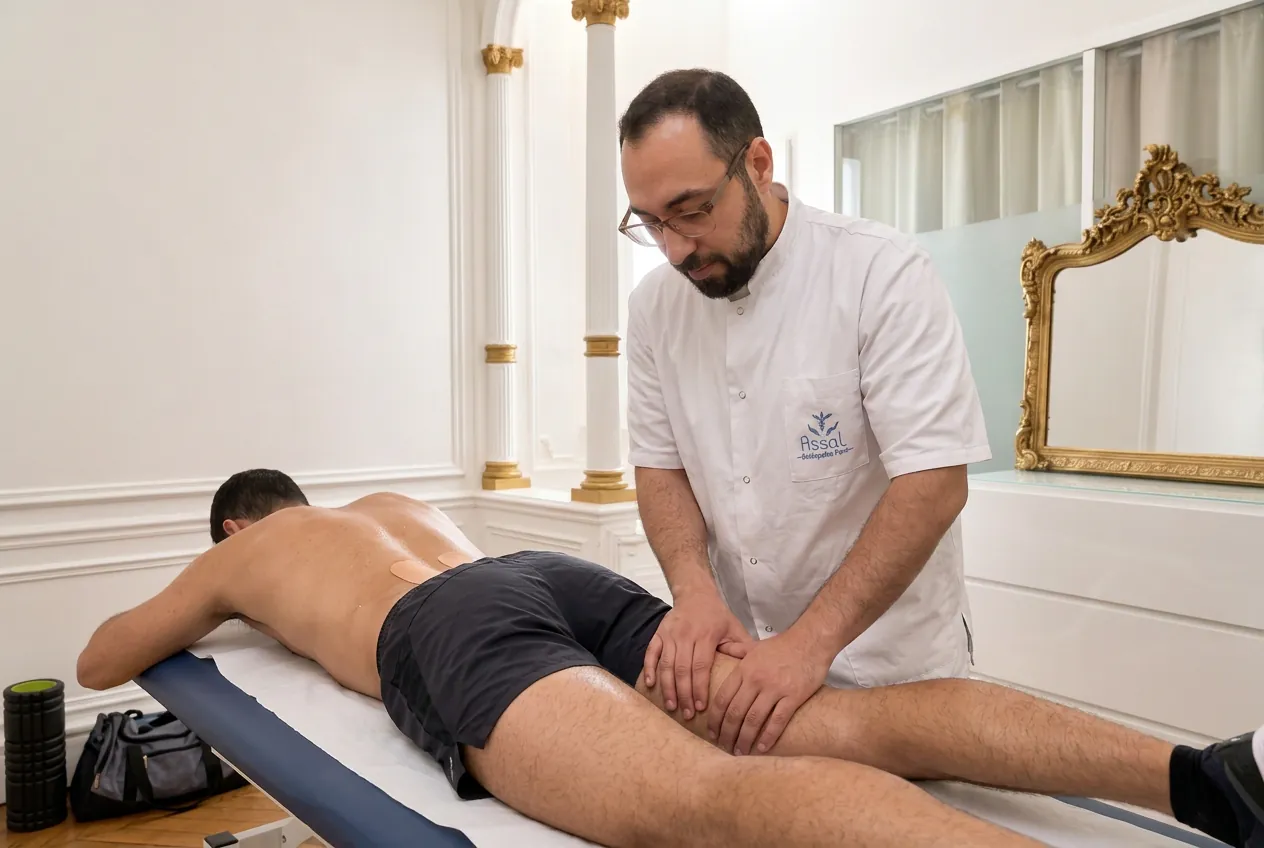
Every sport repeats the same movements, season after season: the runner’s stride, the boxer’s guard. When one area loses a little mobility, its neighbours take over with every repetition. The body can hold out like this for a long time. Then one day, the area doing the compensating gives way.
The old injury
An old ankle sprain, a fall onto the pelvis as a teenager. The body adapted, then spread the tension elsewhere. The pain went away; the adaptation stayed. That is why our first question is about your history, even the distant past: “What happened?”
Returning too soon
A sprain you return from too quickly leaves an ankle with less precise control, one that rolls more easily. We explain this in detail on the Joints and tendinitis page.
Our approach
Our approach with athletes
In our Paris 8 and Vitry-sur-Seine clinics, we apply the ASSAL Method. With athletes, it always includes an examination of the injured area.
Step 1
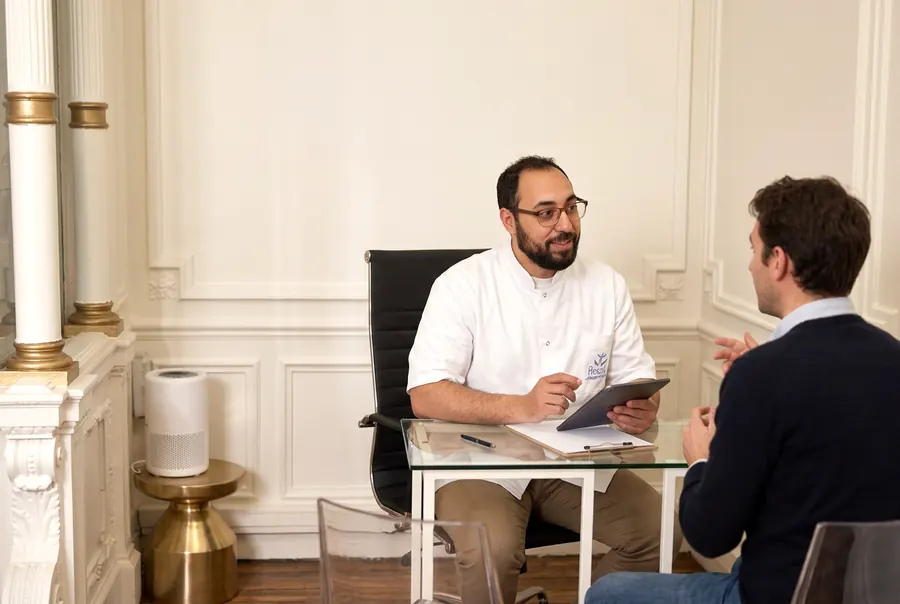
Understanding what happened
What were you doing when the pain started? Is this the first time? Had you stepped up your training, changed your shoes or the surface you train on? Have you been injured elsewhere, even a long time ago? Athletes often tell us about the current injury. The story sometimes begins much earlier.
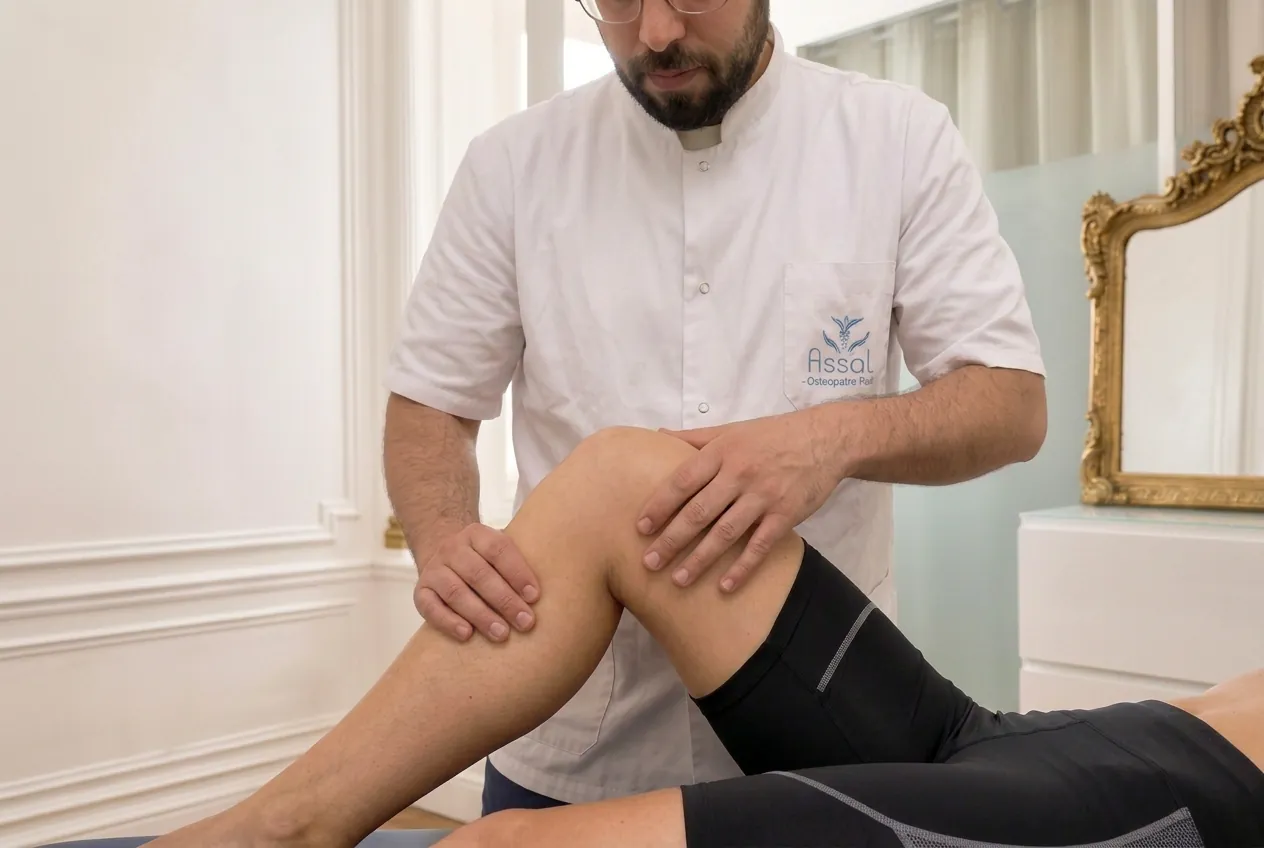
Step 2
Treating what keeps the injury going
When the origin is local, we work on that area. When it is not, we trace back to the starting point, then return to the area that hurts. The techniques adapt to you: if you are not ready for a manipulation, you will not get one, and the session works without it too.
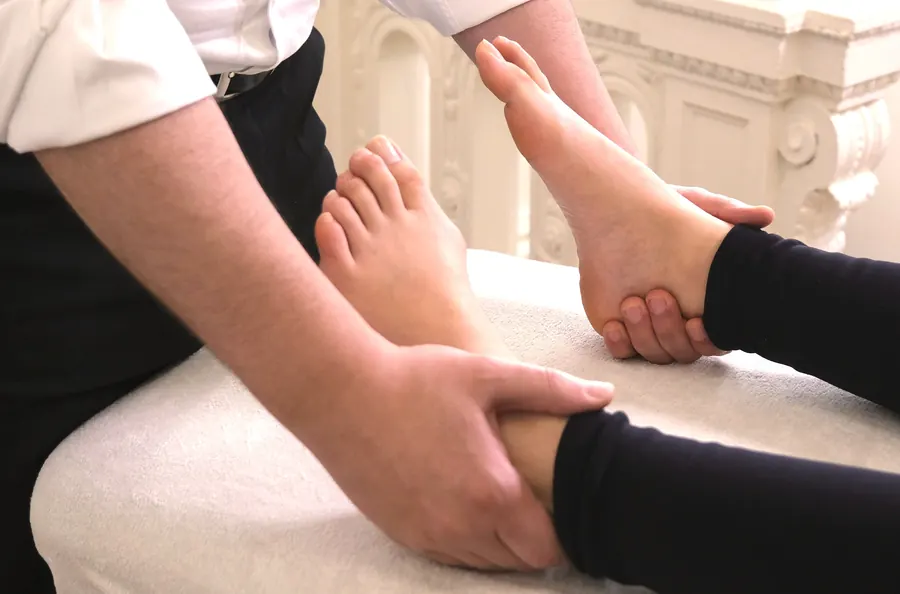
Step 3
Following up on what has held
After a session, your body needs two to three days to absorb the treatment. At the next appointment, we check what has held and what is coming back. We sometimes give you something simple to do at home, such as rolling a ball under the arch of your foot.
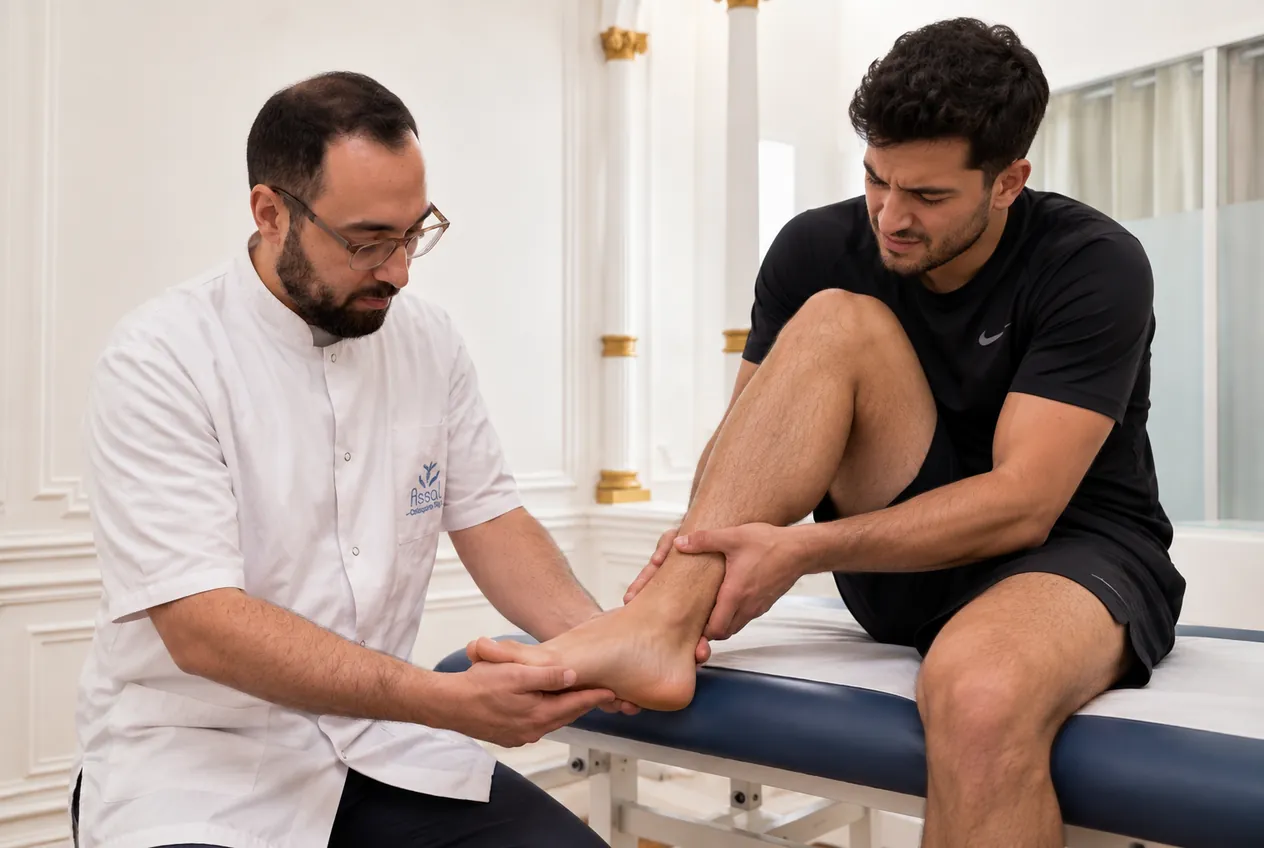
Step 4
Referring you on when needed
When your foot keeps falling back into the same faulty pattern as it takes your weight, manual correction is no longer enough: we refer you to a podiatrist for a biomechanical assessment of your feet. Pain that started with a snap, a large bruise, being unable to put weight on your foot or a deformity: any of these needs a medical opinion first. We work alongside the sports doctor and the physiotherapist, never in their place.
The team
Who you will see
All three practitioners see athletes and apply the same method. Amine, a former professional basketball player, knows from the inside what a season demands of the body.

Hosam ASSAL
Osteopath · Paris 8 and Vitry-sur-Seine
Founder of the ASSAL Method, Hosam sees patients in Paris 8 and Vitry-sur-Seine. He mainly treats chronic pain, digestive problems and postural imbalances that keep coming back despite treatment. He also teaches his method to students and manual therapy practitioners.
Book with Hosam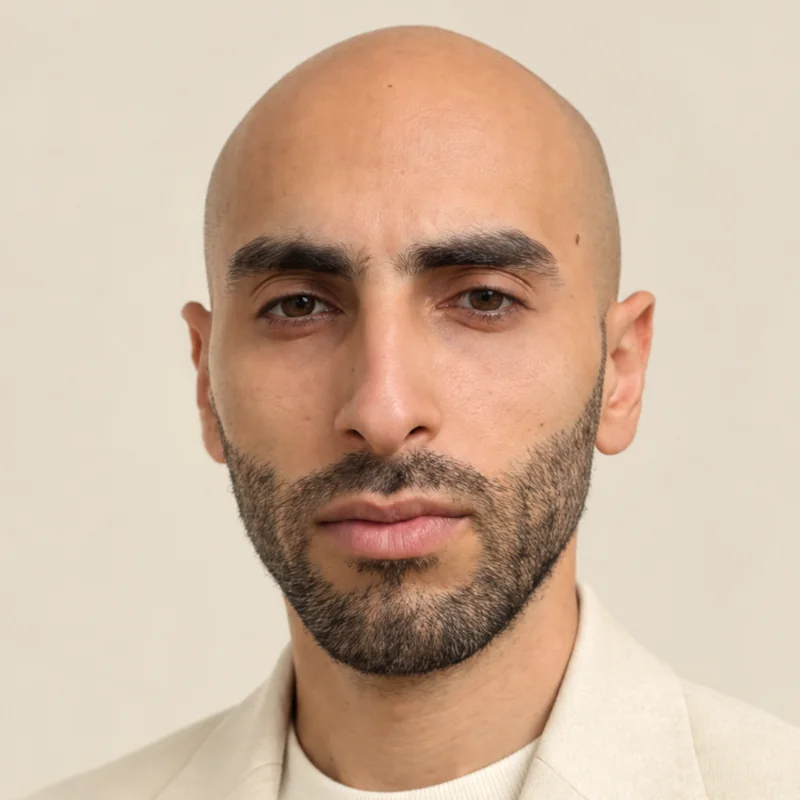
Amine Medjaoui
Osteopath · Vitry-sur-Seine
Trained in the ASSAL Method, Amine has been seeing patients at the Vitry-sur-Seine clinic since 2025. A former professional basketball player who also boxes, he works especially with athletes on preparation, recovery and the after-effects of injury.
Book with Amine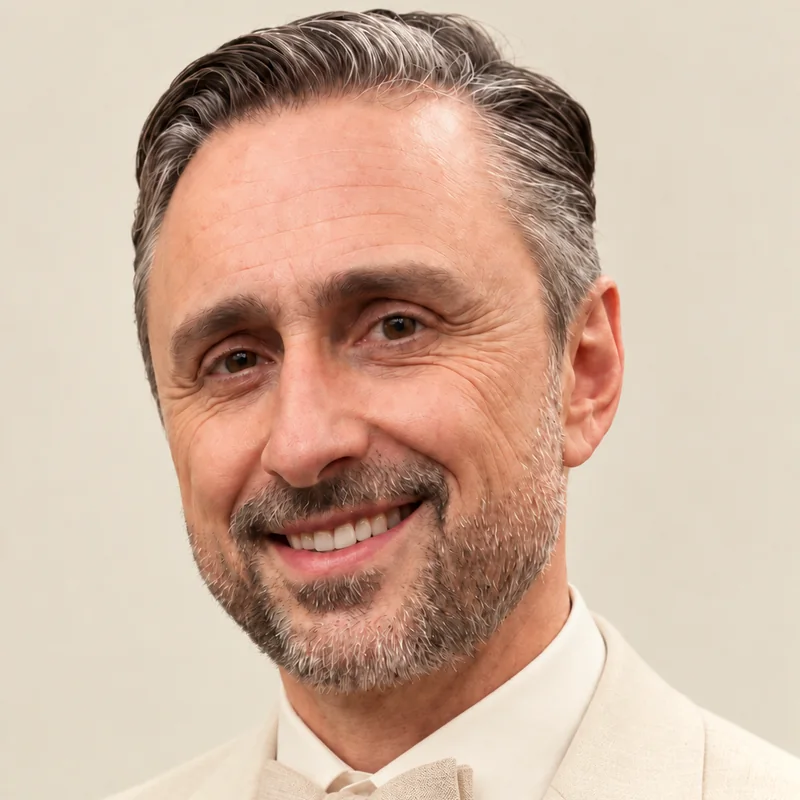
Michaël Vallée Kallézis
Osteopath · Paris 8
Trained in the ASSAL Method, Michaël works alongside Hosam ASSAL at the Paris 8 clinic. He pays particular attention to posture-related problems, especially in patients who spend long hours sitting at work.
Book with MichaëlFrequently asked questions
Questions athletes often ask
Is it worth coming in if nothing hurts?
Yes. Athletes who come in when they are not in pain often gain range of motion and recover more comfortably. It works like a regular check-up for your car: supporting the body before compensations set in, rather than playing catch-up once the injury has struck. When nothing hurts, one session every three to four months is usually enough.
When should I come in before a competition?
Not the day before. Your body needs two to three days to absorb a session. Book your appointment at least a week before the event, so that you arrive on the big day with a body that has finished readjusting.
Can I train after a session?
For the next two or three days, listen to your body. Light training is still possible. Save intense workouts and competitions for afterwards.
Why does my muscle tightness always come back in the same place?
Because the muscle is often doing the work of another area. When the pelvis or upper back has lost mobility, the muscle compensates with every stride and tightens up as protection. Rest calms it down; going back to training sets it off again. As long as whatever is overloading it stays in place, the cycle starts over.
I am being treated by a physio or a sports doctor. Is that compatible?
Yes, and it is often the best arrangement. Diagnosis and rehabilitation remain in their hands. For our part, we look for what made your body vulnerable and what keeps the injury going. Just let each of them know what the others are doing.
Where should I go: Paris 8 or Vitry-sur-Seine?
Both clinics apply the same method. In Paris 8, at 32 avenue de Friedland, near Charles de Gaulle Étoile, you will see Hosam ASSAL or Michaël Vallée Kallézis. In Vitry-sur-Seine, at 11 rue Corneille, Hosam ASSAL or Amine Medjaoui.
See an osteopath in Paris 8 or Vitry-sur-Seine
Is a big event coming up, or has the same injury just come back? Book an appointment at the clinic nearest your home or your club.
What we treat
Explore what we treat
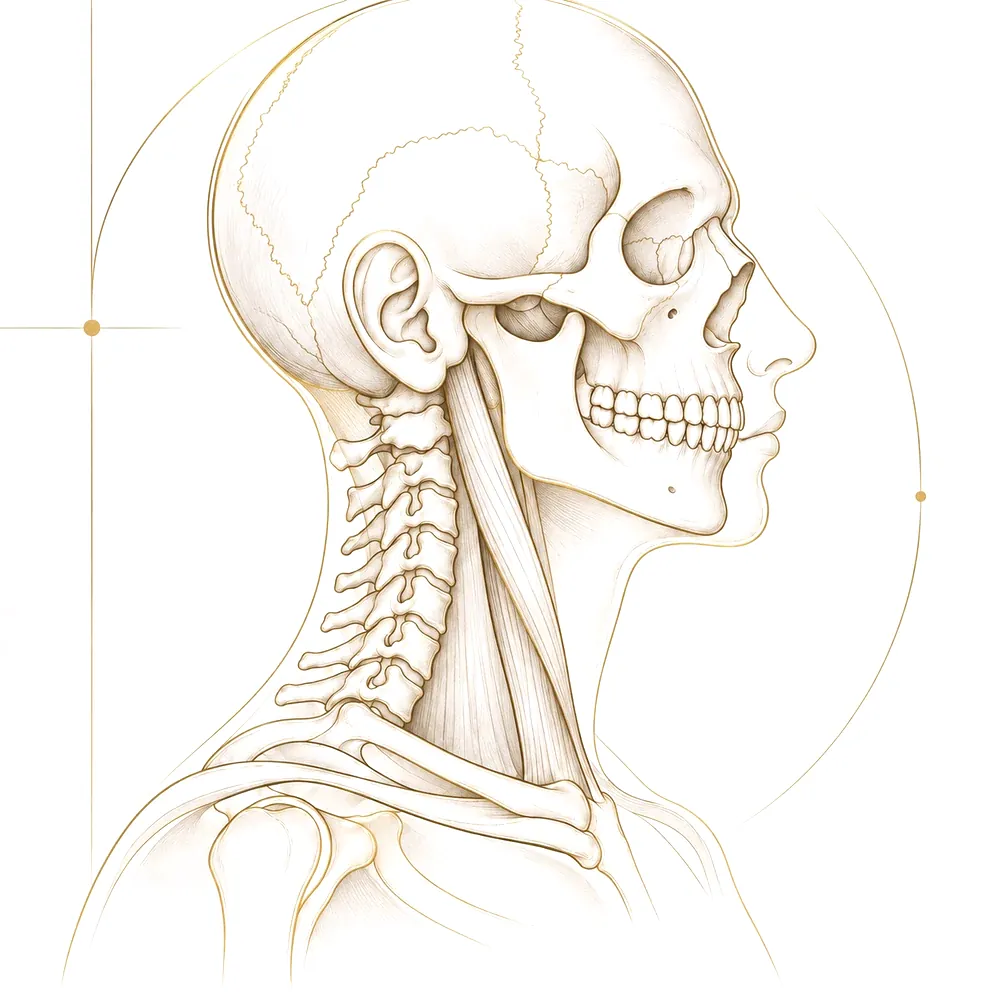 Head, neck and jawMigraines, neck pain, dizziness, tinnitus, jaw locking, neuralgia and after-effects of neck injuries.
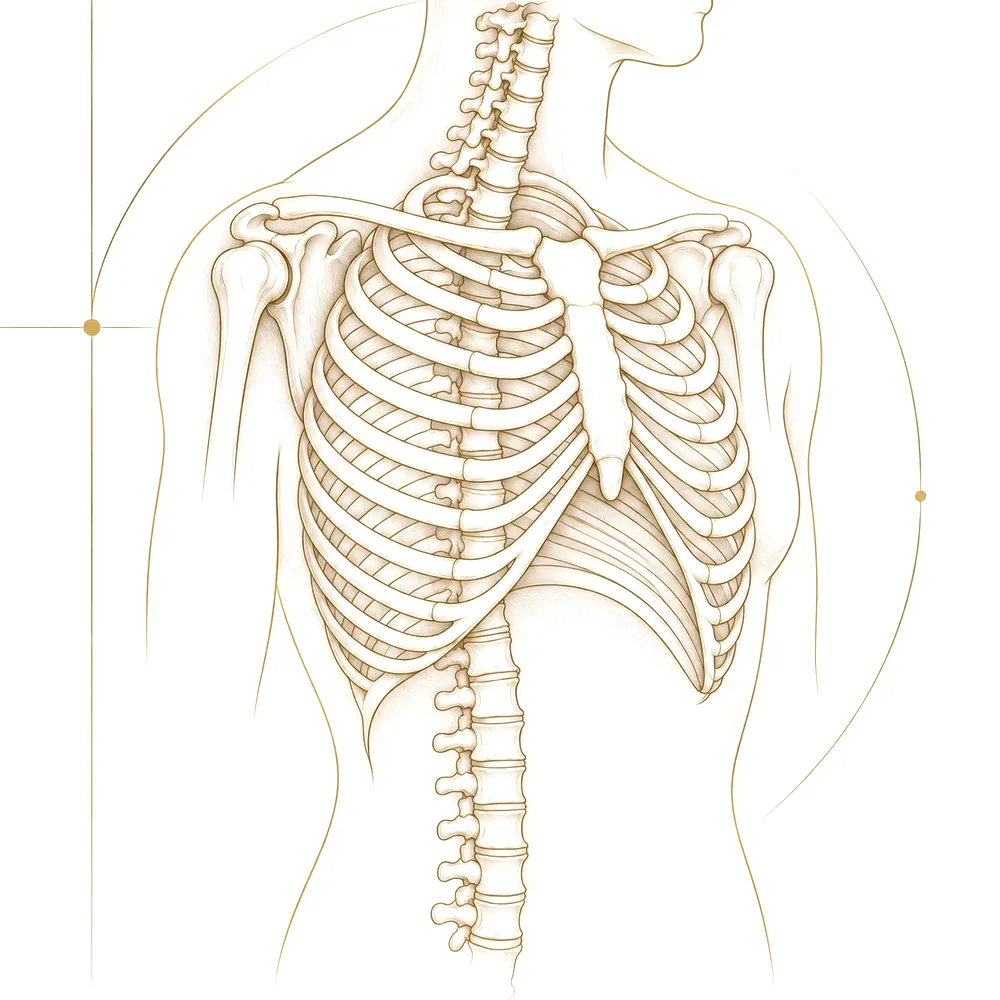 Back, chest and digestionReflux, pain between the shoulder blades, chest tightness, bloating and rib pain.
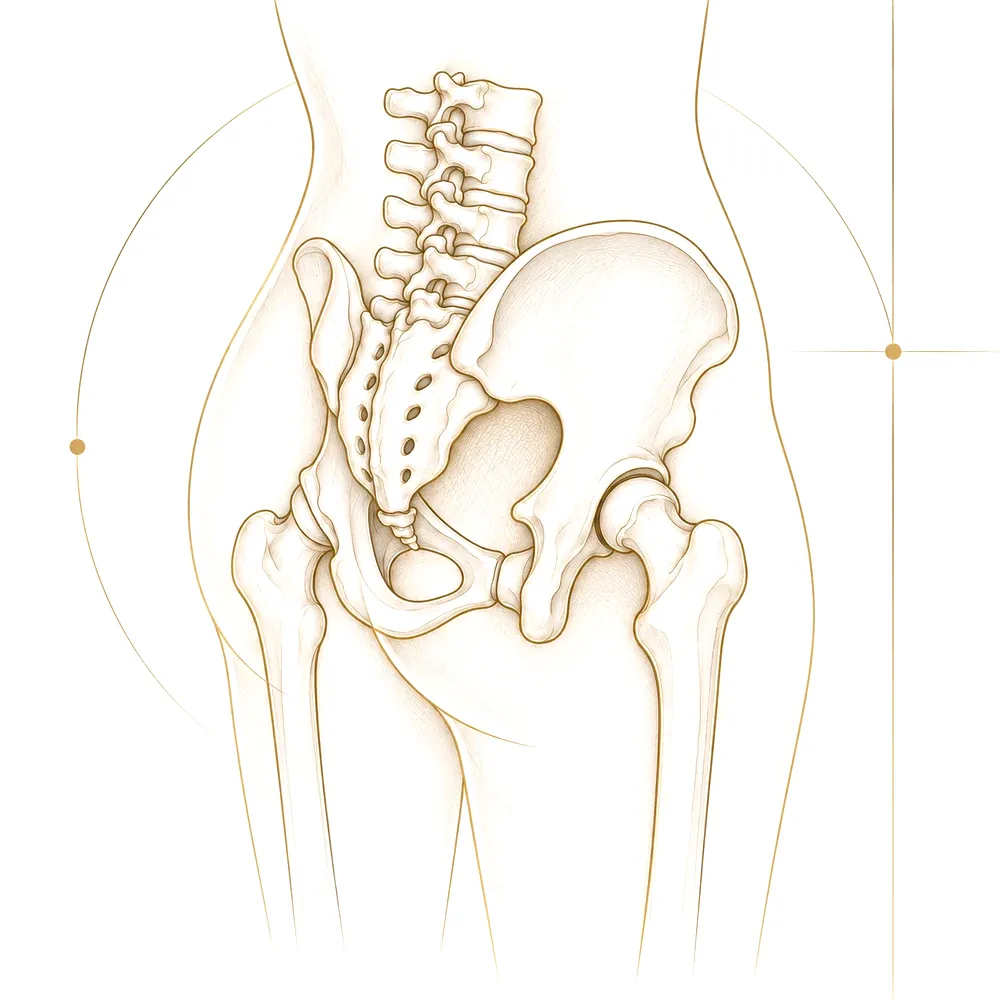 Lower back, pelvis and lower abdomenLow back pain, sciatica, herniated disc, sacroiliac pain, pelvic pain and recovery after childbirth.
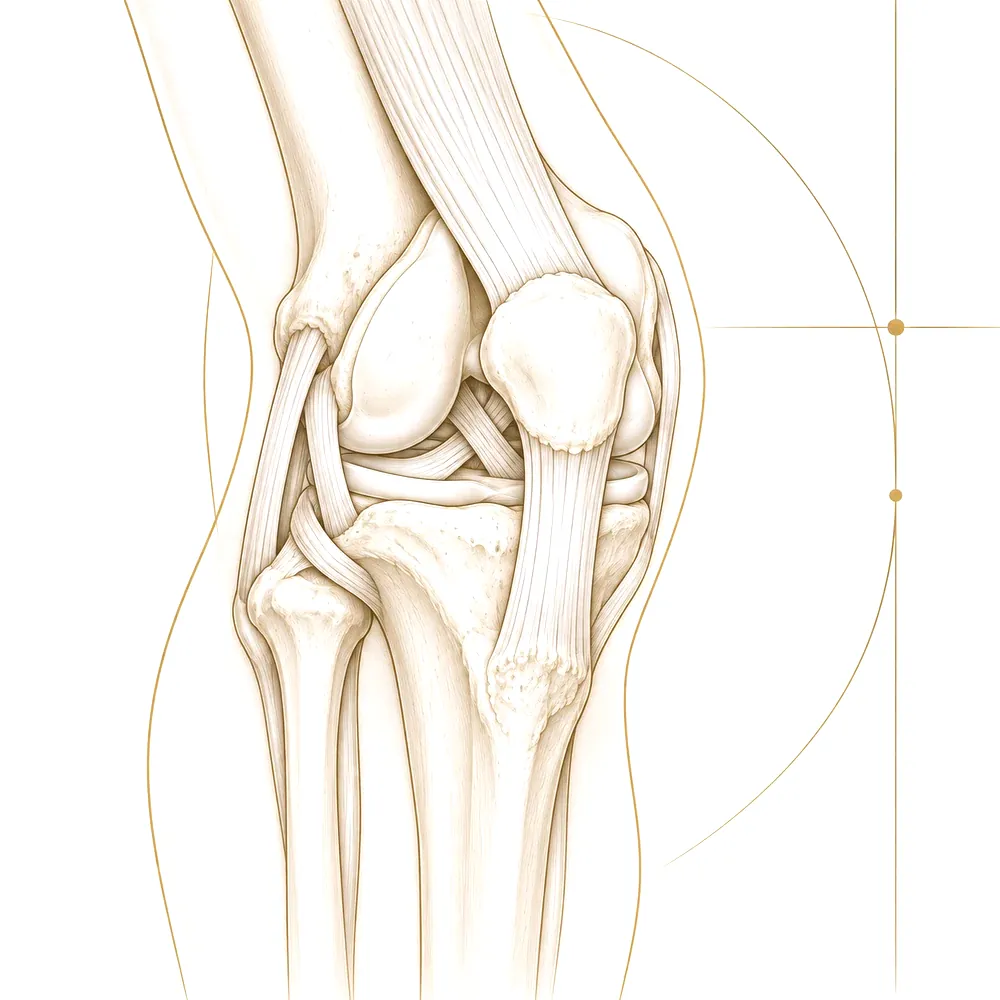 Joints and tendinitisShoulder, elbow, wrist, hip, knee, ankle. Tendinitis, sprains and pain that won’t go away.
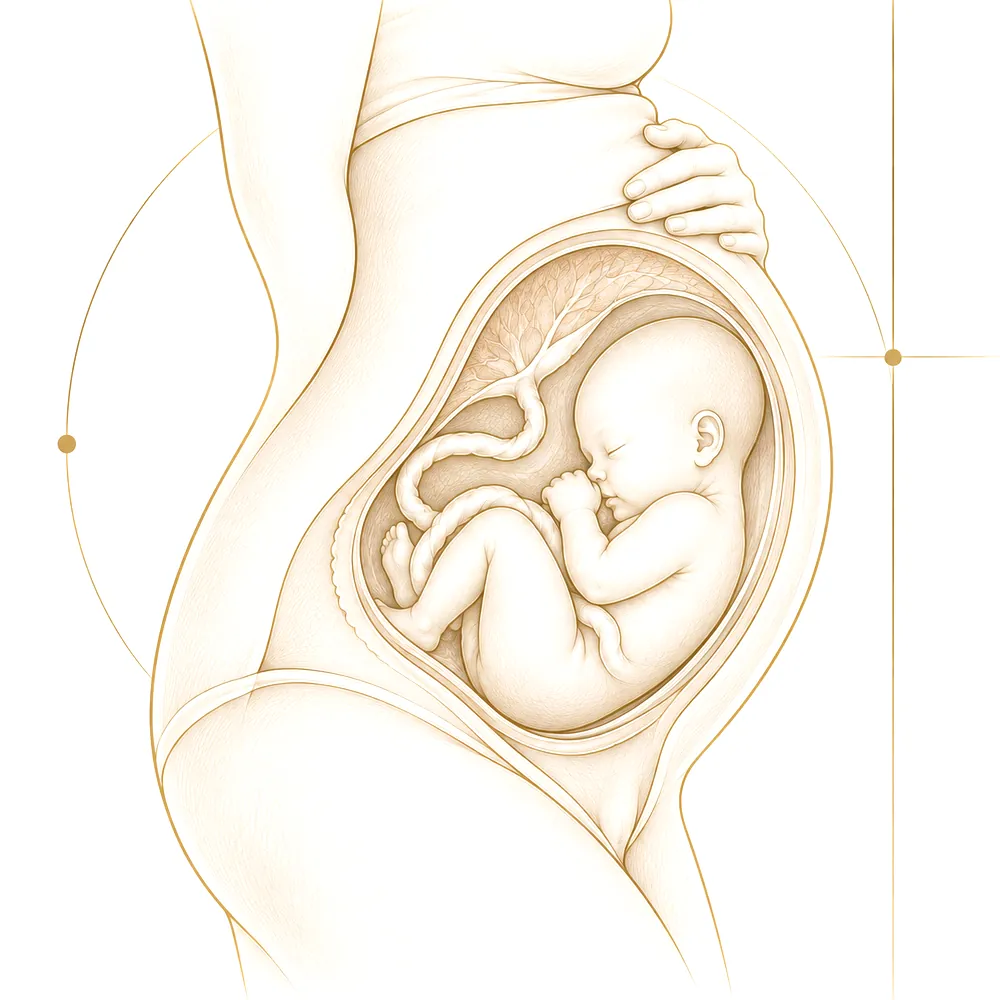 Pregnancy and postpartumBack pain, sciatica, pubic pain during pregnancy, a pelvis that has not recovered since the birth.
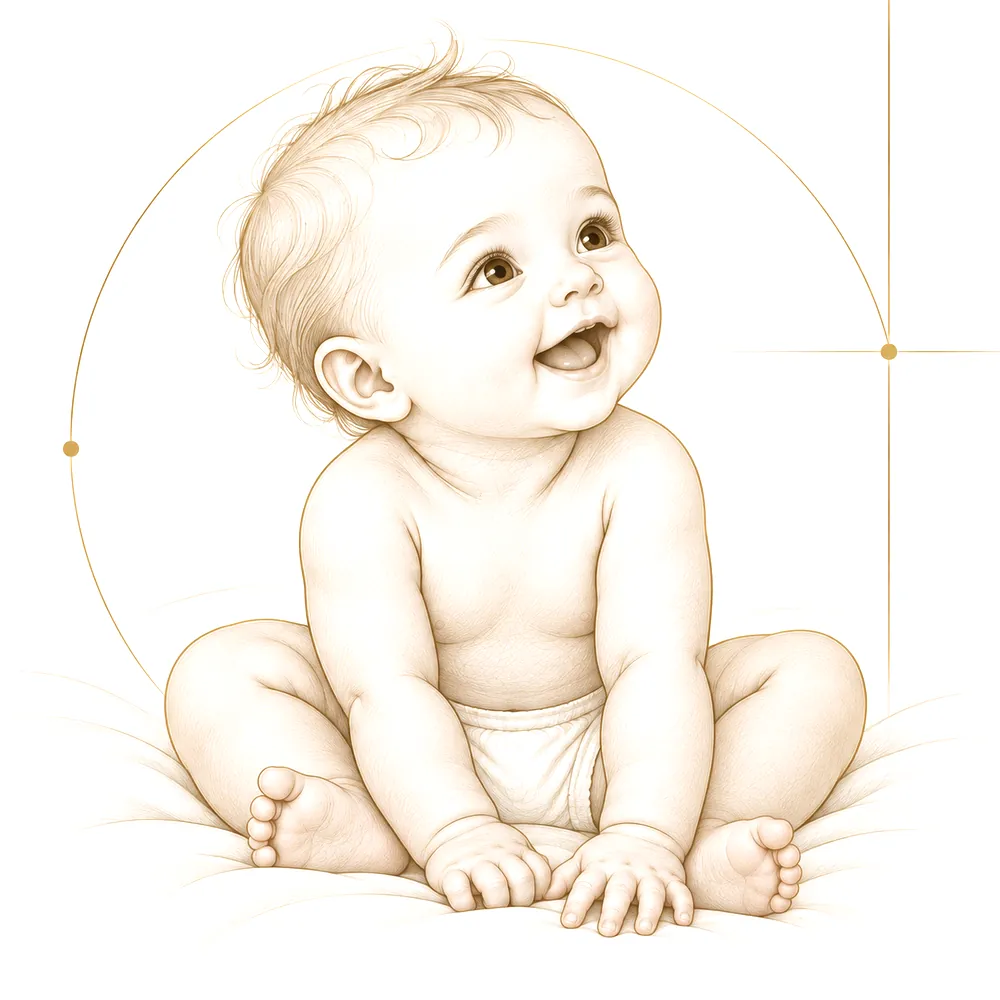 BabiesHead always turned to the same side, a flattening skull, feeding difficulties, crying. From the first month.