Your situation
Osteopathy and pregnancy: when your body has to adapt every week
Every week, your bump moves a little further forward and your back arches to counterbalance it. Your body adapts. Sometimes it compensates. Sciatica in the seventh month, a pubic bone that hurts with every step, a pelvis that is slow to recover after the birth: we look for where the discomfort comes from, using gentle techniques suited to your stage of pregnancy. Consultations in Paris 8 and Vitry-sur-Seine, during pregnancy and the postpartum period.

What we can help with
What brings you in, during pregnancy or after the birth
Some women come for a specific pain. Others come when nothing hurts, because their body is changing fast and they would rather have it checked.
During pregnancy

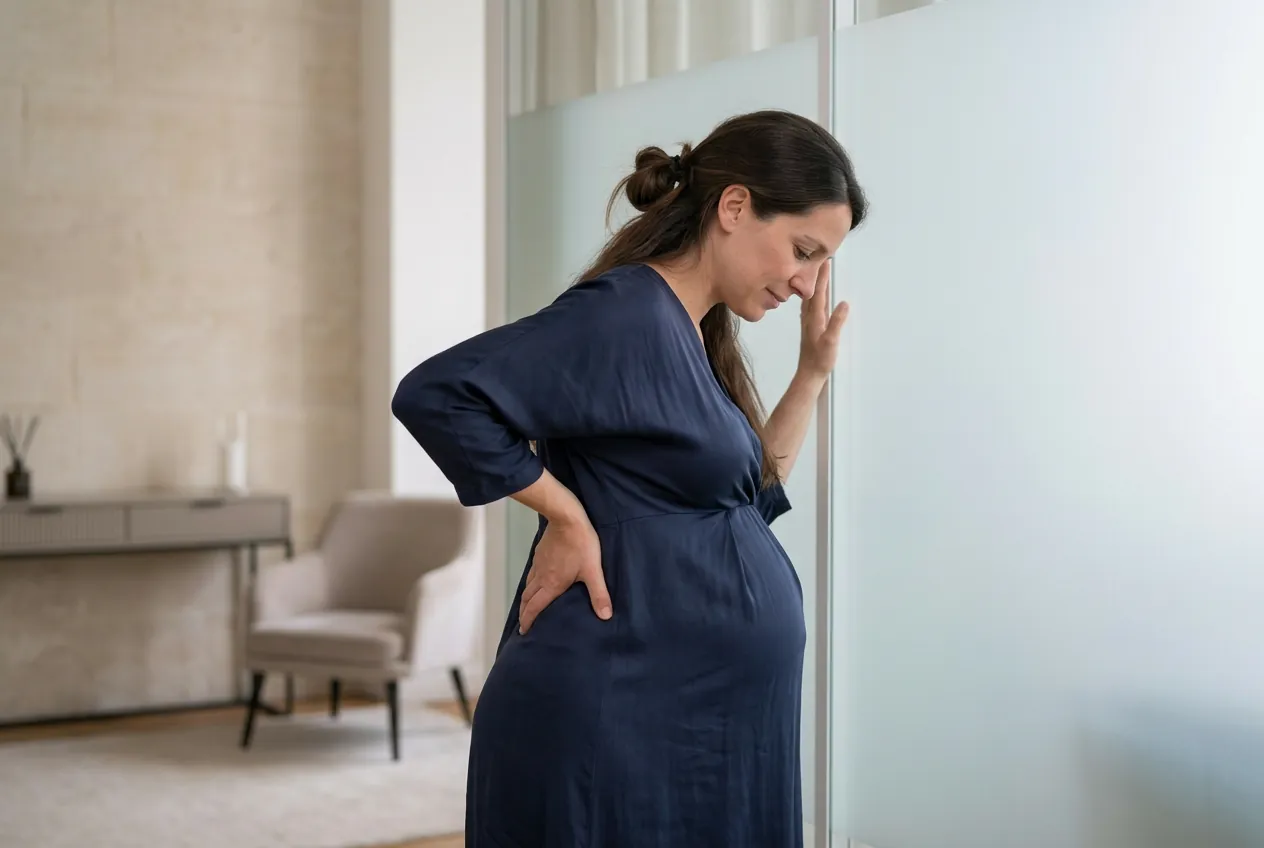
A pulling ache in the lower back.
Your bump moves forward, your back arches to keep you balanced, and your lumbar spine carries a load it has never carried before. The pain often sets in at the end of the day, or when you have been on your feet for a long time.

Sciatica in pregnancy.
Pain that runs down into the buttock, sometimes down the back of the thigh. During pregnancy, it most often comes from the pelvis. A herniated disc is rare.

A painful pubic bone.
Pain at the front of the pelvis when you walk, climb stairs or turn over in bed. The ligaments have softened, and the pubic joint takes the strain of every step.

Ribs and breathing.
As the baby grows, it pushes the diaphragm upwards. You get out of breath more easily, your ribs spread apart, and pain sometimes settles under the ribs or between the shoulder blades. Sudden pain under the ribs on the right, especially with headaches, needs to be seen by your maternity unit first.

Reflux and digestion.
Heartburn, a heavy stomach, sluggish bowels. Hormones slow digestion down, and the womb pushes the stomach upwards. Sudden band-like pain in the pit of the stomach, however, needs to be seen by your maternity unit first.

Heavy legs.
In the evening, your ankles swell and your legs feel heavy. The womb presses on the large veins in the pelvis, and blood flows back up from the legs less easily. A swollen, painful calf, or sudden swelling of the face or hands, needs to be seen by your maternity unit first.
After giving birth

A pelvis that has not recovered.
Weeks after the birth, it is still painful or unstable, and you struggle to feel steady on your feet.

The tailbone.
Giving birth may have pushed it backwards, and sitting down hurts. A cushion helps for a while. We look for what is keeping the pain going.

Neck and upper back.
Breastfeeding hunched over, carrying, changing, rocking: the same movements are repeated dozens of times a day, on top of broken nights. Your upper back and neck end up seizing up.

Wrist and thumb.
Lifting your baby under the arms constantly strains the base of the thumb. The tendinitis that develops is so common that it is sometimes called “mother’s thumb”.

The caesarean scar.
It can pull, stick to the surrounding tissue and cause discomfort deep down. We work around it once it has fully healed, on the surface and deep down, and with the agreement of your care team.
When nothing hurts

A check-up during pregnancy.
Nothing hurts, but your body is changing fast. A session checks that your pelvis and back are keeping up, before compensations set in.

A check-up after the birth.
Even without pain, giving birth has asked a lot of your pelvis. A session in the weeks that follow checks that it has regained its mobility.
Why pain appears
Why some pregnancies hurt more than others
The pelvis does not lie: it carries everything.
Most pregnant women have back pain at some point. Within a few months, the body is transformed, while hormones soften its ligaments. Nothing abnormal so far.
So why does one woman go through her pregnancy almost without discomfort, while another can no longer walk by the seventh month?
Nobody starts a pregnancy without a history. A fall onto the tailbone as a teenager, an ankle sprain that never properly healed, scoliosis, a difficult first birth. The body had found its balance and was quietly compensating. Pregnancy adds weight where it was already compensating, and that is often where the pain appears.
That is why our first question goes back to long before the pregnancy: “What happened before?”
We have to be honest: some pregnancy pain only goes away completely after the birth. Our goal then becomes your comfort, week after week. And that is already a great deal.
Read the article: What really happens in a painful back
The pelvis and its ligaments
To let the baby through when the day comes, hormones soften the ligaments of the pelvis. The pubic joint and the sacroiliac joints move more, and the muscles tighten to hold them steady. When one side of the pelvis was already moving less freely before the pregnancy, the other side works twice as hard.
The diaphragm and the ribs
The further the pregnancy progresses, the more the diaphragm is pushed upwards. Breathing moves up into the upper chest and ends up tightening the neck and shoulders. Restoring movement to the ribs aims to make breathing more comfortable, as it becomes harder in late pregnancy.
After the birth
Giving birth demands an immense effort from the pelvis and the pelvic floor. The body does not return to how it was within a few days, and the first months add their own strains: broken nights, carrying your baby in your arms, breastfeeding hunched over. This is sometimes when a pregnancy pain persists, or a new one appears.
Our approach
Our approach, during pregnancy and after
In our Paris 8 and Vitry-sur-Seine clinics, we apply the ASSAL Method. During pregnancy, it adapts to how far along you are and to your comfort.
Step 1
Going over your whole history
How many weeks pregnant are you? How is the pregnancy going? Where does it hurt, and since when? Did you already have back pain before? Have you given birth before, had a fall, had surgery? What your midwife or gynaecologist has told you matters too.
Step 2
Spotting what needs your maternity unit first
Some signs take priority over any session, and we check for them every time: bleeding, leaking fluid, contractions before term, fever, severe headaches, a baby who is moving less. You will find the detailed list in the frequently asked questions below. If you have any of them, go to the emergency department of your maternity unit or call 15 (French emergency medical services).
Step 3
Gentle treatment, in a comfortable position
The techniques are gentle and adapted to your stage of pregnancy. In late pregnancy, you lie on your side, supported by cushions, and the movements become smaller. If a technique does not suit you, we change it. No gynaecological or obstetric manipulation, no internal examination or treatment: French law forbids osteopaths to perform them, and our work does not need them.
Step 4
Working with your care team
We work alongside your midwife, your gynaecologist and your doctor, never in their place. After the birth, if pelvic floor rehabilitation is needed, it is prescribed at the postnatal check-up and done with a midwife or a physiotherapist, before any rehabilitation of the abdominal muscles. That is not our role. Our work focuses on the pelvis, the back and everything that compensates around them.
The team
Who you will see
All three practitioners see you during pregnancy and after the birth, and apply the same method. During his training, Hosam ASSAL worked in a hospital setting, including maternity and paediatrics, at the Clinique Vauban in Livry-Gargan.

Hosam ASSAL
Osteopath · Paris 8 and Vitry-sur-Seine
Founder of the ASSAL Method, Hosam sees patients in Paris 8 and Vitry-sur-Seine. He mainly treats chronic pain, digestive problems and postural imbalances that keep coming back despite treatment. He also teaches his method to students and manual therapy practitioners.
Book with Hosam
Amine Medjaoui
Osteopath · Vitry-sur-Seine
Trained in the ASSAL Method, Amine has been seeing patients at the Vitry-sur-Seine clinic since 2025. A former professional basketball player who also boxes, he works especially with athletes on preparation, recovery and the after-effects of injury.
Book with Amine
Michaël Vallée Kallézis
Osteopath · Paris 8
Trained in the ASSAL Method, Michaël works alongside Hosam ASSAL at the Paris 8 clinic. He pays particular attention to posture-related problems, especially in patients who spend long hours sitting at work.
Book with MichaëlFrequently asked questions
Frequently asked questions about pregnancy and the postpartum period
Can I see an osteopath throughout my pregnancy?
Yes, from the first trimester right up to the last few weeks, unless your care team advises otherwise. The session changes as your pregnancy progresses: in late pregnancy, you lie on your side, supported by cushions, and the movements become smaller.
Which signs need medical attention straight away?
During pregnancy: bleeding, leaking fluid, contractions before term, low back pain that comes back in regular waves, a fall, especially onto your bump. But also fever, severe headaches, problems with your vision, nausea or vomiting in the second half of pregnancy, band-like pain in the pit of the stomach or under the ribs on the right, sudden swelling of the face or hands, a swollen and painful calf, sudden breathlessness or chest pain, a baby who is moving less. Go to the emergency department of your maternity unit or call 15 (French emergency medical services). After the birth, if you have very heavy bleeding, breathlessness or chest pain, call 15. Fever, a red and painful breast, a scar that is red or oozing, foul-smelling discharge, a burning sensation when you pass urine, a swollen or painful calf, severe headaches or problems with your vision: call your maternity unit, your midwife or your doctor without delay. And if sadness sets in, do not wait to talk about it.
Is osteopathy safe for the baby?
The techniques we use during pregnancy are gentle, external and adapted to how far along you are. We do not perform any gynaecological or obstetric manipulation or any internal examination or treatment, which French law forbids osteopaths to perform in any case. And at every session, we check that there are no signs that need your maternity unit’s opinion first.
Does osteopathy work for back pain in pregnancy?
The available studies, still few in number, point towards relief of low back pain during pregnancy. At the clinic, we check at the end of the session what has changed, and tell you what remains to be done.
Does osteopathy help prepare for childbirth?
We will not promise you that: research does not allow us to say that a session makes giving birth easier. In late pregnancy, our goal is simpler: for you to approach the birth with a back and pelvis that are as comfortable as possible.
How soon after giving birth can I come in?
As soon as you feel ready, usually in the weeks after the birth. After a caesarean, we wait until healing is complete, deep down too, before working around the scar. Make sure you attend the postnatal check-up, scheduled between the sixth and eighth week: that is when pelvic floor rehabilitation is prescribed, if needed.
Can I bring my baby?
Yes. Your baby stays close to you during the session, and we stop if they need you. We can also see your baby straight afterwards.
Do I need a referral? Is it reimbursed?
No, you do not need a referral to see an osteopath. All the same, mention it to the person looking after your pregnancy. A consultation costs €100 in Paris 8 and €70 in Vitry-sur-Seine. It is not reimbursed by French national health insurance, and you are given an invoice for your top-up health insurance (mutuelle).
Book an appointment in Paris 8 or Vitry-sur-Seine
Pregnant, or in the months after the birth? Book an appointment at the clinic nearest your home.
What we treat
Explore what we treat
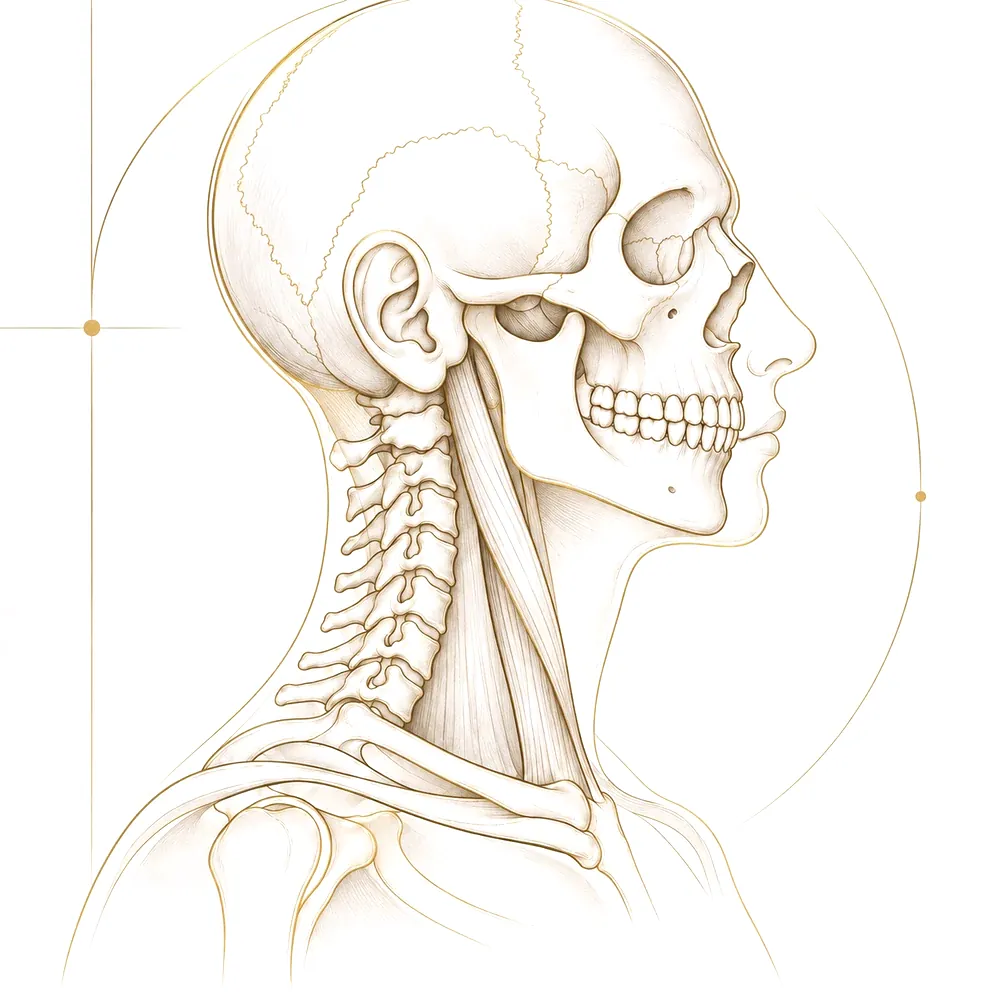 Head, neck and jawMigraines, neck pain, dizziness, tinnitus, jaw locking, neuralgia and after-effects of neck injuries.
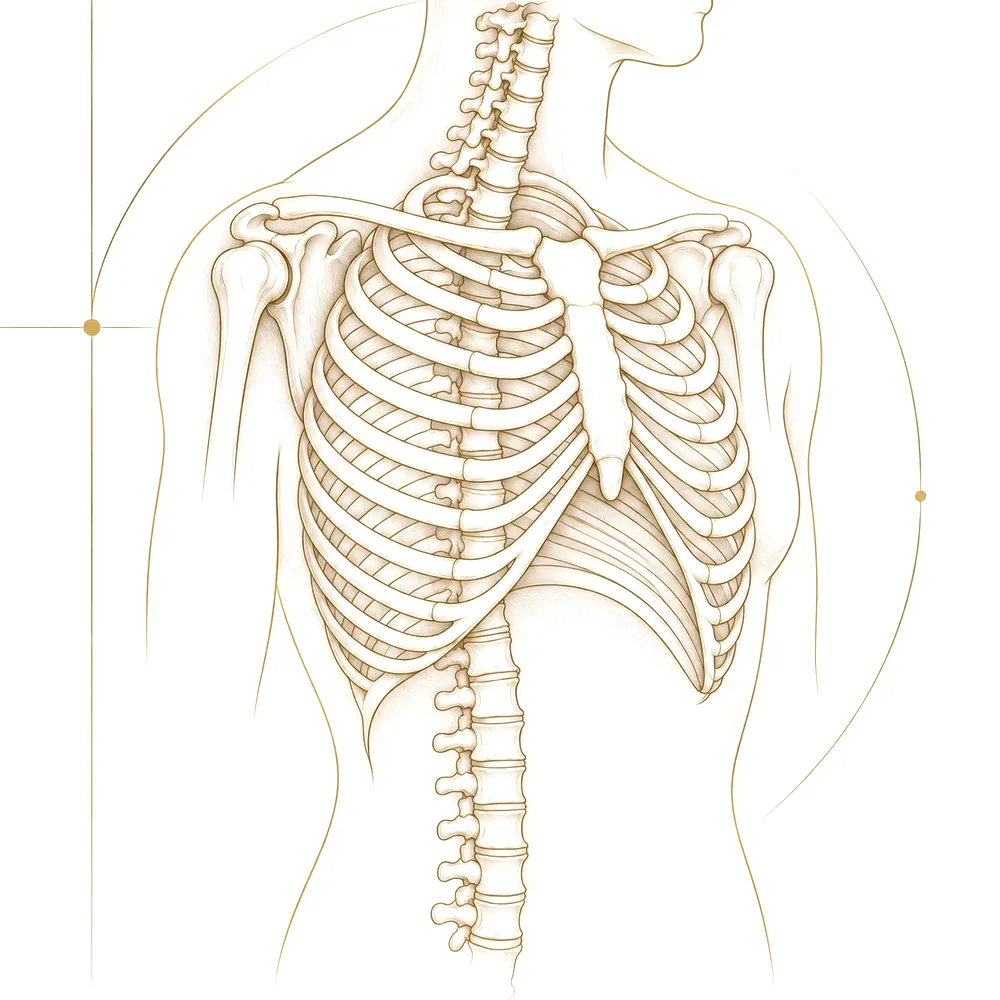 Back, chest and digestionReflux, pain between the shoulder blades, chest tightness, bloating and rib pain.
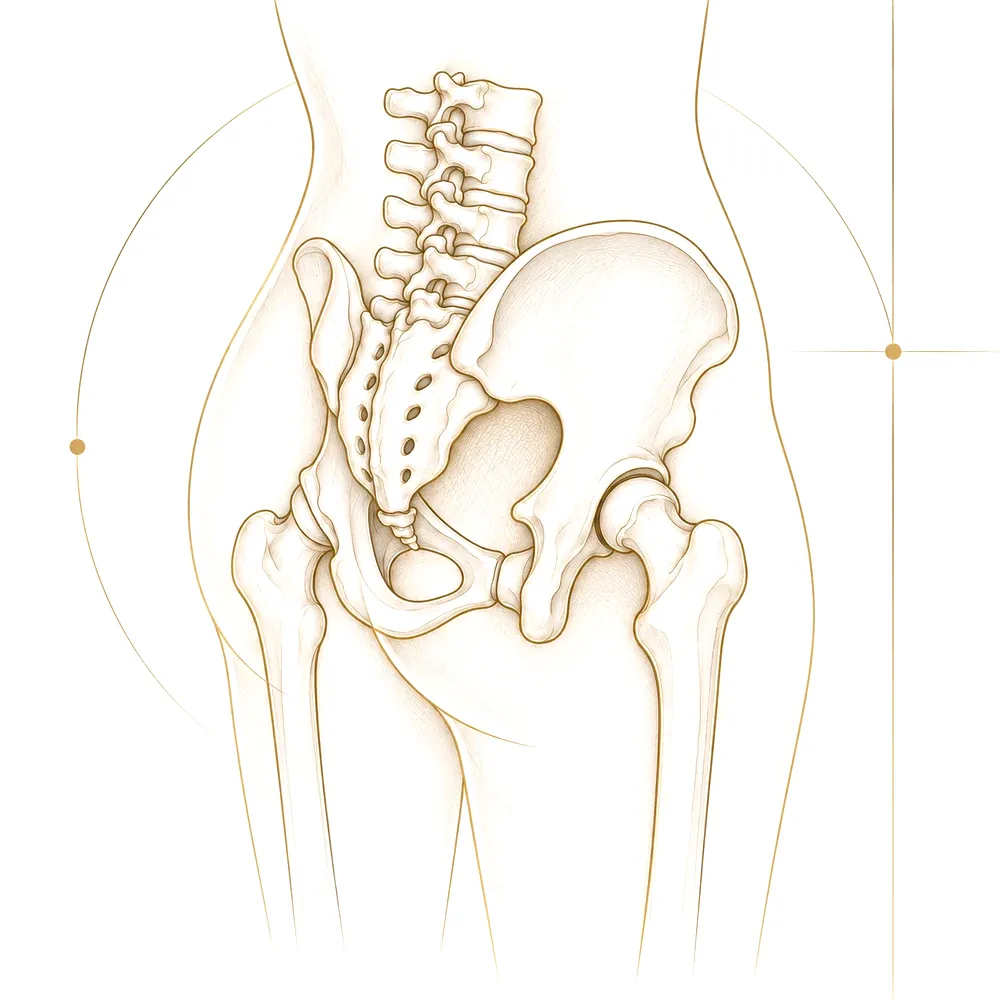 Lower back, pelvis and lower abdomenLow back pain, sciatica, herniated disc, sacroiliac pain, pelvic pain and recovery after childbirth.
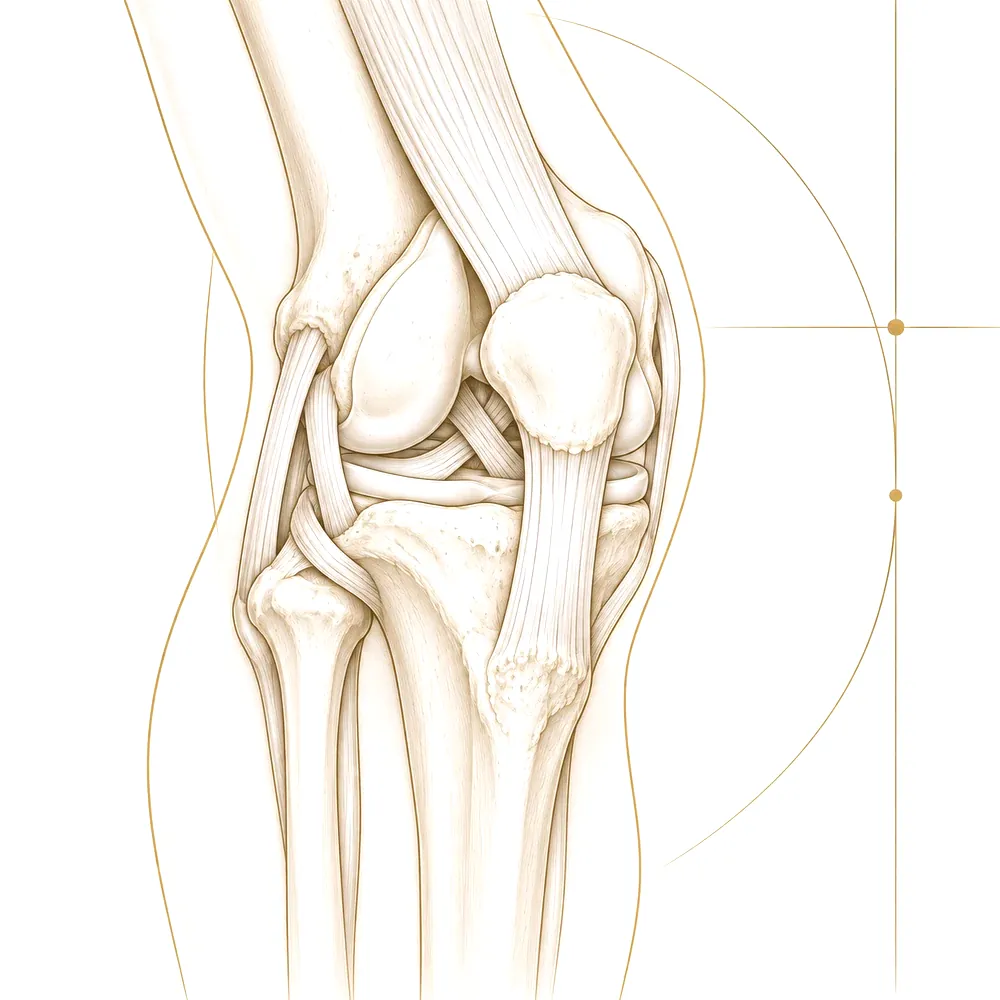 Joints and tendinitisShoulder, elbow, wrist, hip, knee, ankle. Tendinitis, sprains and pain that won’t go away.
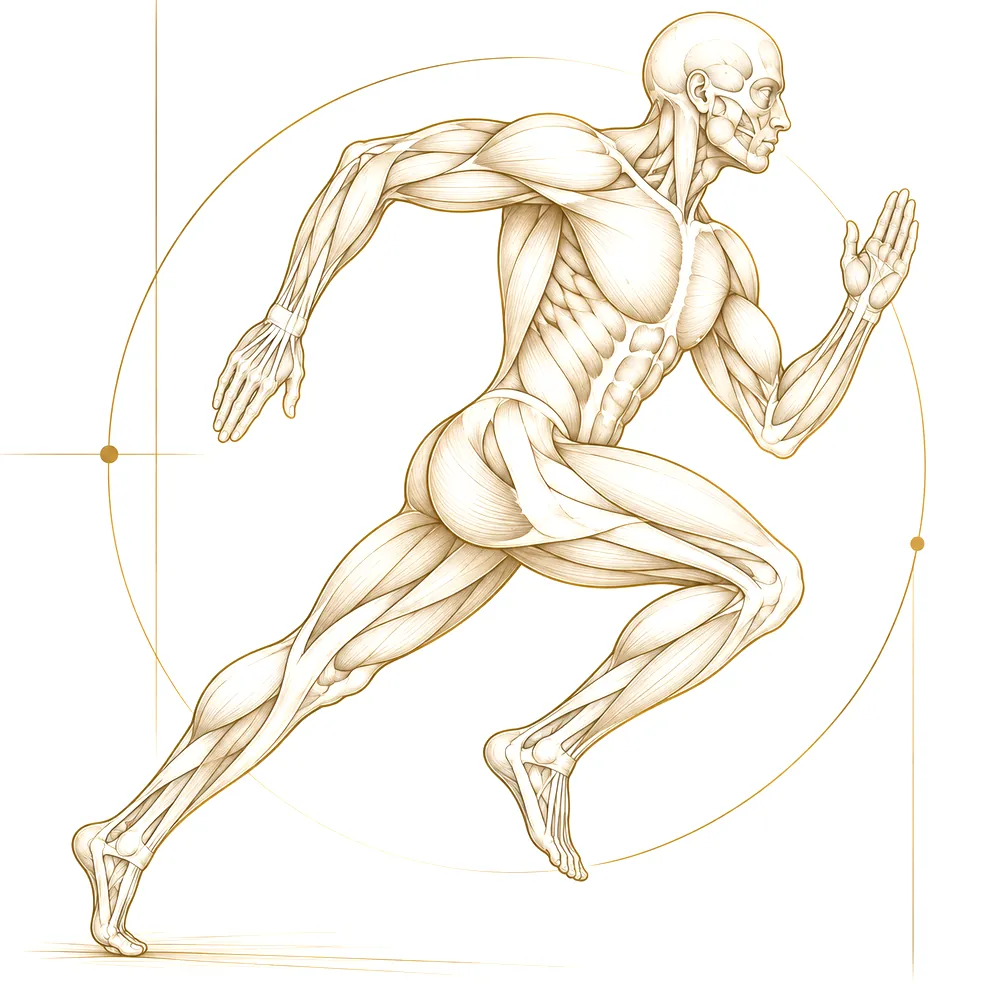 Sports osteopathyRecurring tendinitis, repeated sprains, muscle tightness, returning to sport after an injury.
 BabiesHead always turned to the same side, a flattening skull, feeding difficulties, crying. From the first month.