
Your situation
Osteopathy for babies: a gentle touch, from the first month
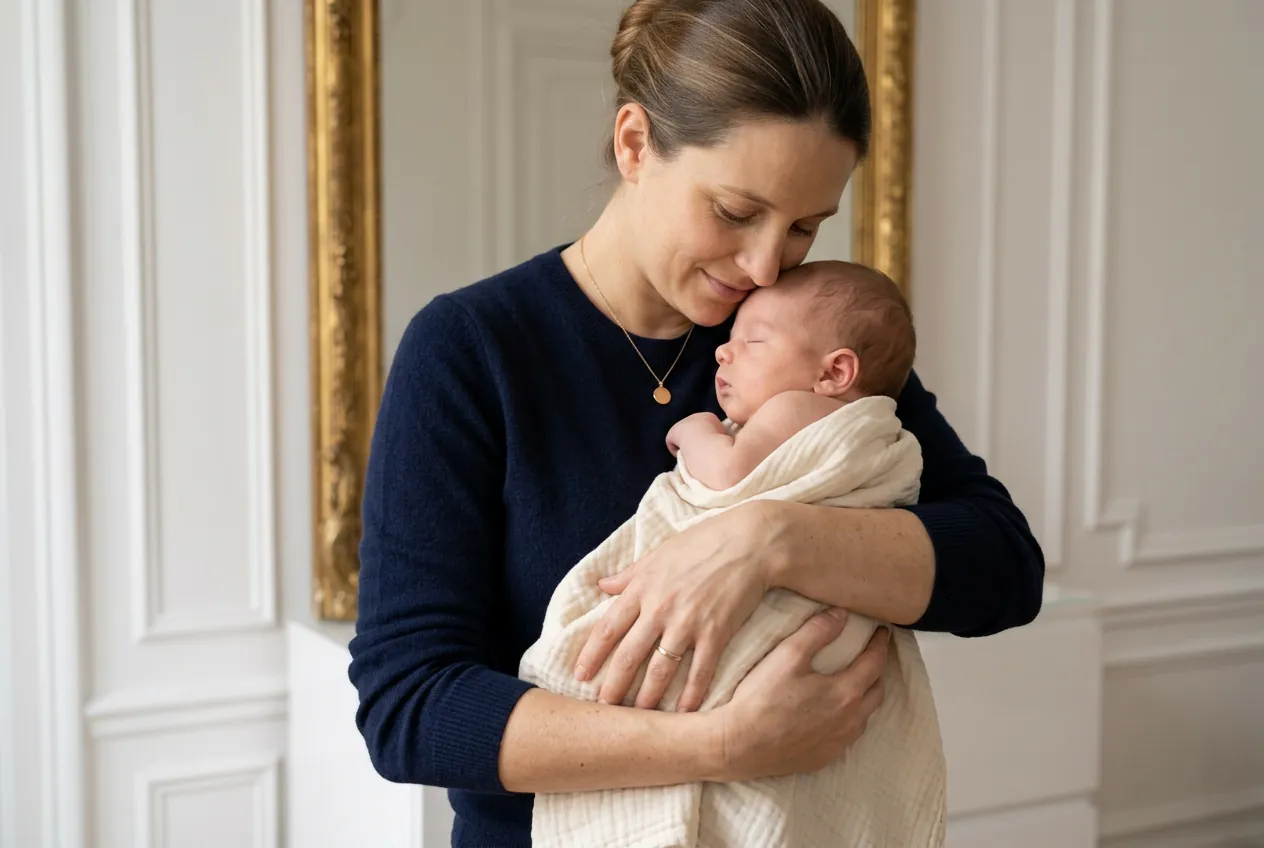
Your baby always turns their head to the same side. They feed poorly, fuss at the breast or the bottle, cry a lot, sleep little. Sometimes the birth was long, very fast, or assisted by a ventouse (vacuum cup). We see babies from the first month, with exclusively gentle techniques, alongside the care of your paediatrician. In Paris 8 and Vitry-sur-Seine.
What we can help with
What brings parents to the clinic
Most often, it is a small detail that alerts you: a position your baby refuses, a discomfort that does not go away. Sometimes, it is the birth itself that was difficult.
After the birth

A difficult birth.
A very long or very fast labour, a ventouse, forceps, an emergency caesarean, a breech birth. The birth asked a lot of your baby’s head and neck. Most of the time, everything settles back into place within a few days. When discomfort persists, we look for what is still tense.

No particular concern.
Some parents come with no specific reason, to ask their questions after a birth that left its mark on them. This is possible from the first month.
Head and neck

Head always turned to the same side.
Your baby always looks to the right, or always to the left, and struggles to turn their head the other way. It is often postural torticollis, a stiff neck linked to position: raise it first with your paediatrician, who will then prescribe physiotherapy. Our work complements it.

A flattening head.
One side of the skull is flattening, or the whole back of it: doctors call this plagiocephaly or brachycephaly (flat head syndrome). Show it to your paediatrician first. Good everyday habits come first, and we go over them with you. We also look for what is stopping your baby from turning their head freely.
Feeding, digesting, sleeping

Feeding difficulties.
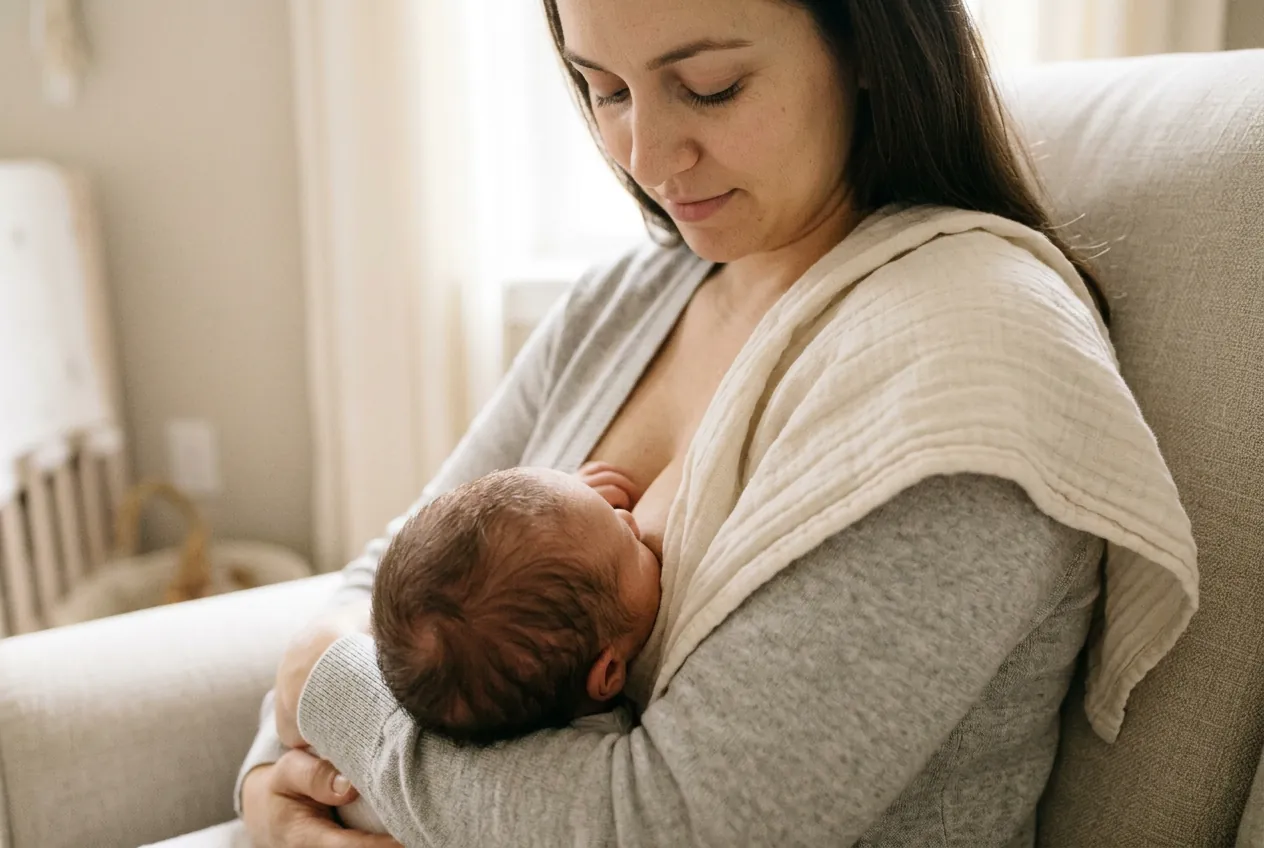
Your baby comes off the breast, prefers one breast to the other, tires out at the bottle. We check the mobility of their jaw, neck and head, working with your midwife or your lactation consultant. If your baby sweats or gets breathless while feeding, or is not gaining weight well, the paediatrician must see them first.

Spitting up and tummy discomfort.
Many babies spit up, and it is usually nothing serious. If your baby writhes during feeds, cries while feeding or is not gaining weight well, the paediatrician must see them first. We come in afterwards, as a complement.

Crying and restless sleep.
Your baby cries a lot, arches their back, wakes often and only settles when held. Once the paediatrician has ruled out any cause that needs treating, we look for any discomfort in their body that keeps them from being comfortable. If the crying is exhausting you, lay your baby on their back in their cot, leave the room for a few minutes and call someone close to you. Never shake your baby.
Why come in so early
What birth asks of a baby’s body
In a baby, the story covers just a few months. It already matters.
To be born, a baby’s head has to mould. The bones of the skull, still soft and not yet fused, slide over one another as the baby passes through. The neck turns, bends and absorbs strong pressure. A newborn’s body is made for this, and most of the time everything settles back into place by itself in the days that follow.
Sometimes, some discomfort persists. The baby turns their head less easily to one side, feeds better on one breast than the other, or never seems to get comfortable. The end of pregnancy matters too: a baby who spent a long time cramped, with their head tilted to the same side, can keep that habit for a while.
With adults, we trace back a history of several years. With a baby, it covers just a few months: the pregnancy, their position in the womb, the birth, the first feeds. That is the story we go over with you, before any treatment.
What the French National Authority for Health says
We should be upfront: studies on osteopathy for babies are still few, and of modest quality so far. For skull deformities linked to position, the French National Authority for Health (HAS) considers that current evidence does not allow osteopathy to be recommended, and states that “an osteopathic approach with a paediatric focus may be combined with physiotherapy as a second-line treatment, as part of multidisciplinary care”. That is the place we take: as a second-line treatment, alongside the paediatrician and the physiotherapist.
Our approach
Our approach with babies
In our Paris 8 and Vitry-sur-Seine clinics, we apply the ASSAL Method. With a baby, every movement is gentle and the session follows their pace.
Step 1
Going over the story with you
How did the pregnancy go? And the birth? How does your baby feed, and how do they sleep? Do they turn their head to both sides? You know your baby best, and what you have noticed guides us. Remember to bring their health record book (carnet de santé).
Step 2
Spotting what needs the paediatrician first
Some signs take priority over any session. A fever in a baby under three months old, or projectile or green vomiting, needs urgent medical attention. A baby who is feeding much less, vomiting repeatedly or not gaining weight well must see their paediatrician quickly. A baby who is floppy, drowsy, struggling to breathe or whose skin turns blue or very pale: call 15 (French emergency medical services).
Step 3
Gentle movements, at your baby’s pace
Before six months, we use only mobilisations, never manipulation: gentle movements, with no thrust and no cracking. Your baby stays close to you, sometimes in your arms, and can breastfeed or have their bottle during the session. If they cry, we stop and start again once they have calmed down. The session lasts about half an hour.
Step 4
Reminders of the habits that matter
To sleep, always on their back, on a firm mattress, with no sleep positioner and no pillow: the HAS considers these unnecessary and dangerous. When your baby is awake, give them some tummy time, always while you are watching. And regularly lay them down with their head sometimes at the top of the cot, sometimes at the foot, so that they turn their head to both sides. These habits are the foundation, before any session. If the problem persists, we talk it over again with your paediatrician.
The team
Who will see your baby
All three practitioners see babies and apply the same method. During his training, Hosam ASSAL worked in a hospital setting, including maternity and paediatrics, at the Clinique Vauban in Livry-Gargan.
Hosam ASSAL
Osteopath · Paris 8 and Vitry-sur-Seine
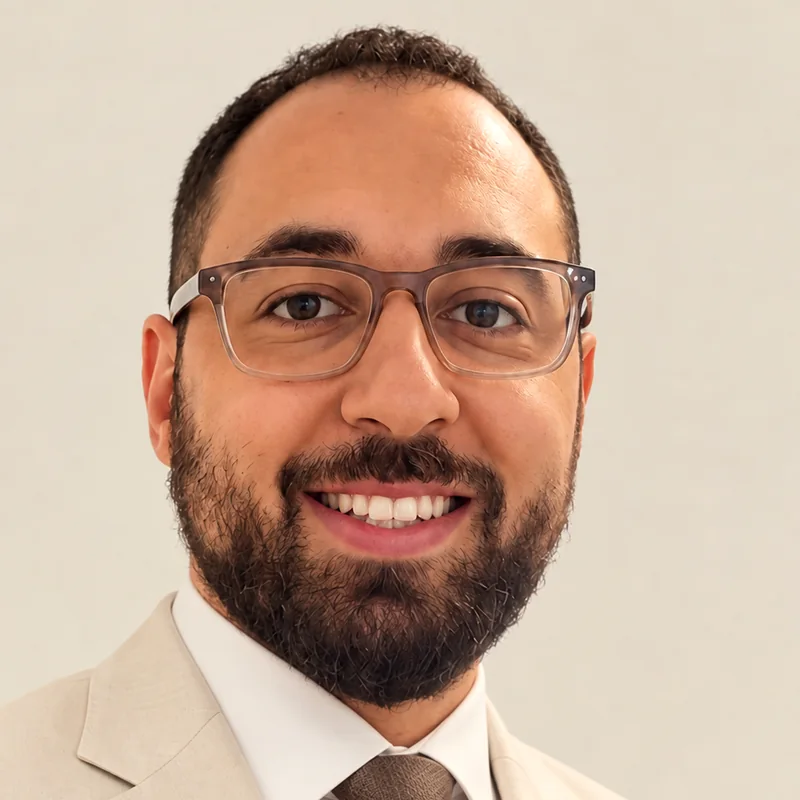
Founder of the ASSAL Method, Hosam sees patients in Paris 8 and Vitry-sur-Seine. He mainly treats chronic pain, digestive problems and postural imbalances that keep coming back despite treatment. He also teaches his method to students and manual therapy practitioners.
Book with Hosam
Amine Medjaoui
Osteopath · Vitry-sur-Seine
Trained in the ASSAL Method, Amine has been seeing patients at the Vitry-sur-Seine clinic since 2025. A former professional basketball player who also boxes, he works especially with athletes on preparation, recovery and the after-effects of injury.
Book with Amine
Michaël Vallée Kallézis
Osteopath · Paris 8
Trained in the ASSAL Method, Michaël works alongside Hosam ASSAL at the Paris 8 clinic. He pays particular attention to posture-related problems, especially in patients who spend long hours sitting at work.
Book with MichaëlFrequently asked questions
Questions parents often ask
From what age can I bring my baby?
From the first month. The techniques we use with babies and young children are exclusively gentle, with no forceful manipulation, and the session is shorter than for adults. Before six months, we use only mobilisations, never manipulation.
Do I need a doctor’s approval before the session?
No referral is needed. Before six months, French law reserves manipulations of the skull, face and spine for babies for whom a doctor has certified that there is no contraindication. At this age, we use only gentle mobilisations, with no thrust and no cracking, never manipulation. Your paediatrician nonetheless remains your first point of contact: if you have the slightest doubt about your baby’s health, they are the one to see first.
Can osteopathy treat colic?
No one can promise you that, and we will not. A baby’s crying has many causes, and the paediatrician must first rule out those that need a different kind of treatment. When everything is reassuring, we look for any discomfort in your baby’s body that keeps them from feeling at ease. Studies on the subject remain largely inconclusive.
Will my baby cry during the session?
It happens, usually for a simple reason: they are hungry, tired, or the place is new to them. We stop, you pick them up, they feed if they need to, and we carry on at their pace. The movements themselves are gentle and never forced. If you can, choose a time when your baby is neither too hungry nor too sleepy.
How many sessions should we plan for?
Often only a few. At the end of the first session, we tell you what we found and whether we need to see your baby again. There is no set course of sessions.
How much does a session cost, and how long does it last?
€50 in Paris 8 and €40 in Vitry-sur-Seine; this price applies to babies and children up to the age of 10. A session lasts about half an hour. It is not reimbursed by French national health insurance, and you are given an invoice for your top-up health insurance (mutuelle). Both clinics are easy to get into with a pushchair.
Book an appointment for your baby in Paris 8 or Vitry-sur-Seine
Choose the clinic nearest your home. Coming in for yourself too, after the birth?
See the Pregnancy and postpartum page
What we treat
Explore what we treat
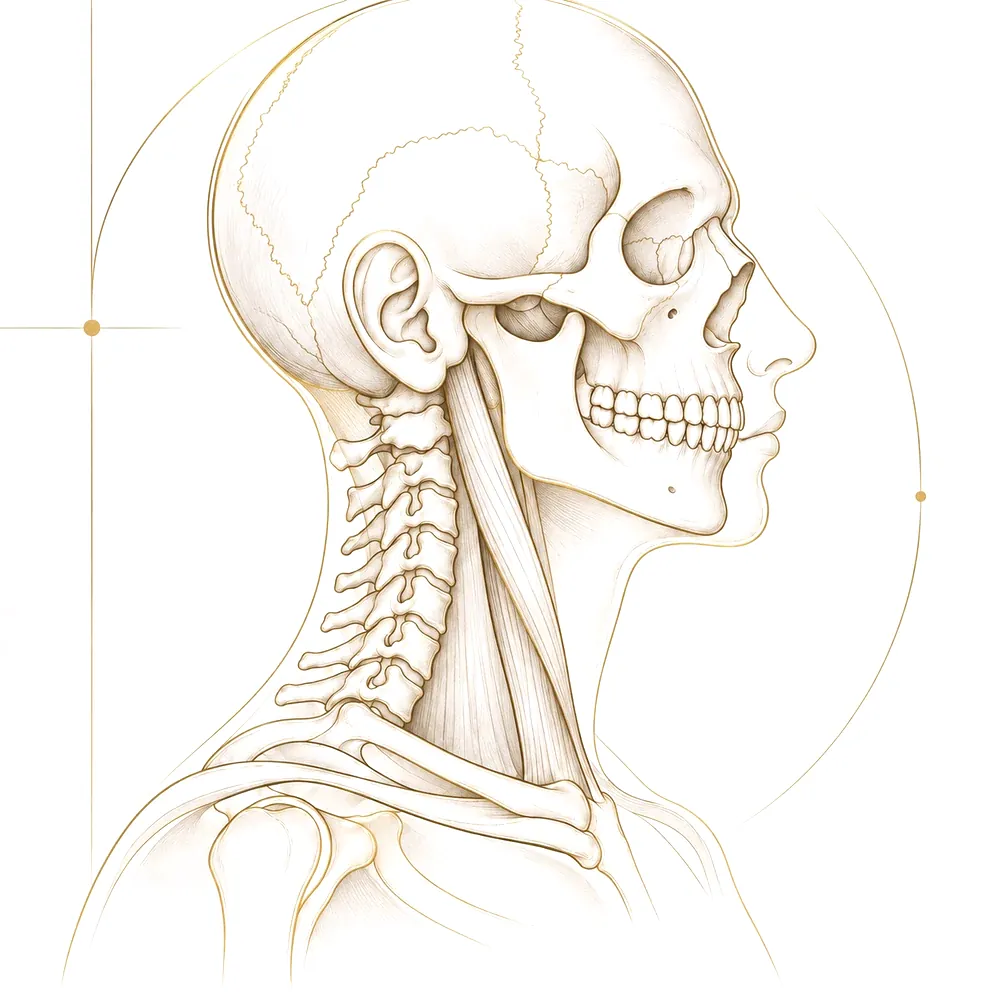 Head, neck and jawMigraines, neck pain, dizziness, tinnitus, jaw locking, neuralgia and after-effects of neck injuries.
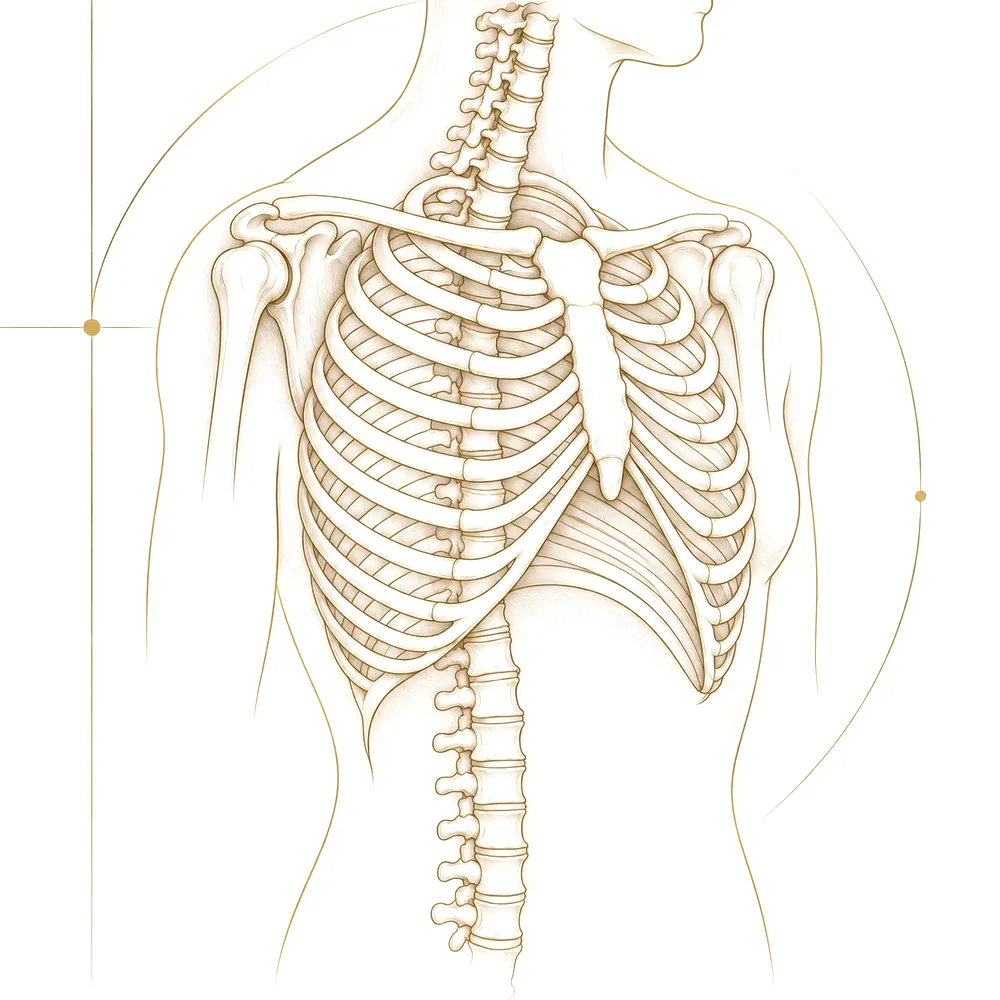 Back, chest and digestionReflux, pain between the shoulder blades, chest tightness, bloating and rib pain.
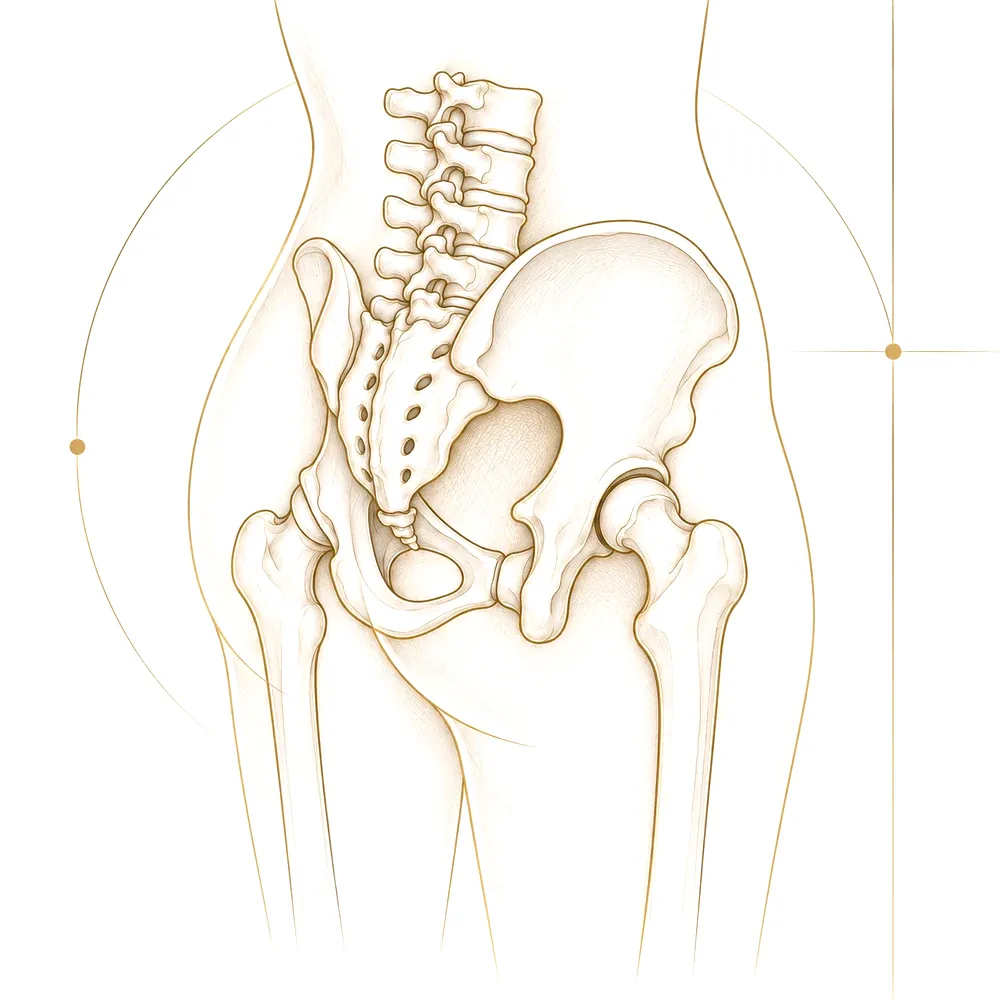 Lower back, pelvis and lower abdomenLow back pain, sciatica, herniated disc, sacroiliac pain, pelvic pain and recovery after childbirth.
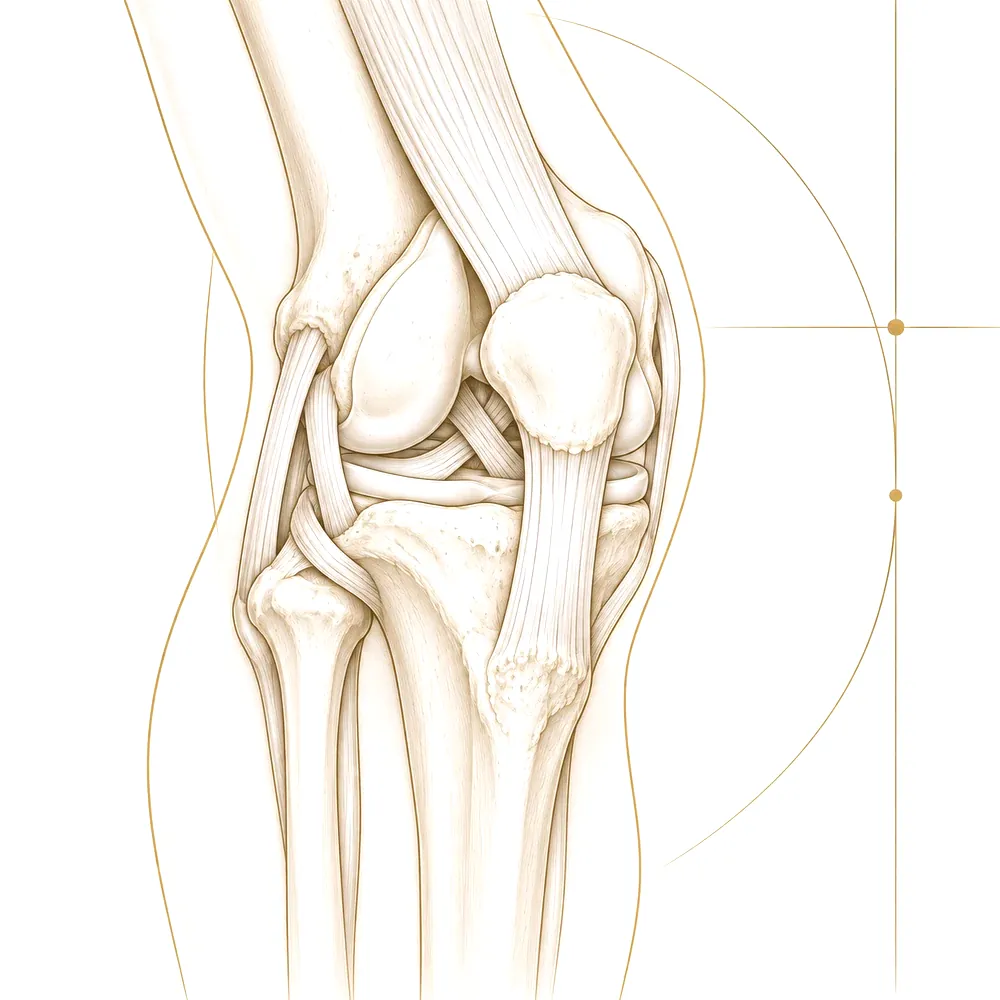 Joints and tendinitisShoulder, elbow, wrist, hip, knee, ankle. Tendinitis, sprains and pain that won’t go away.
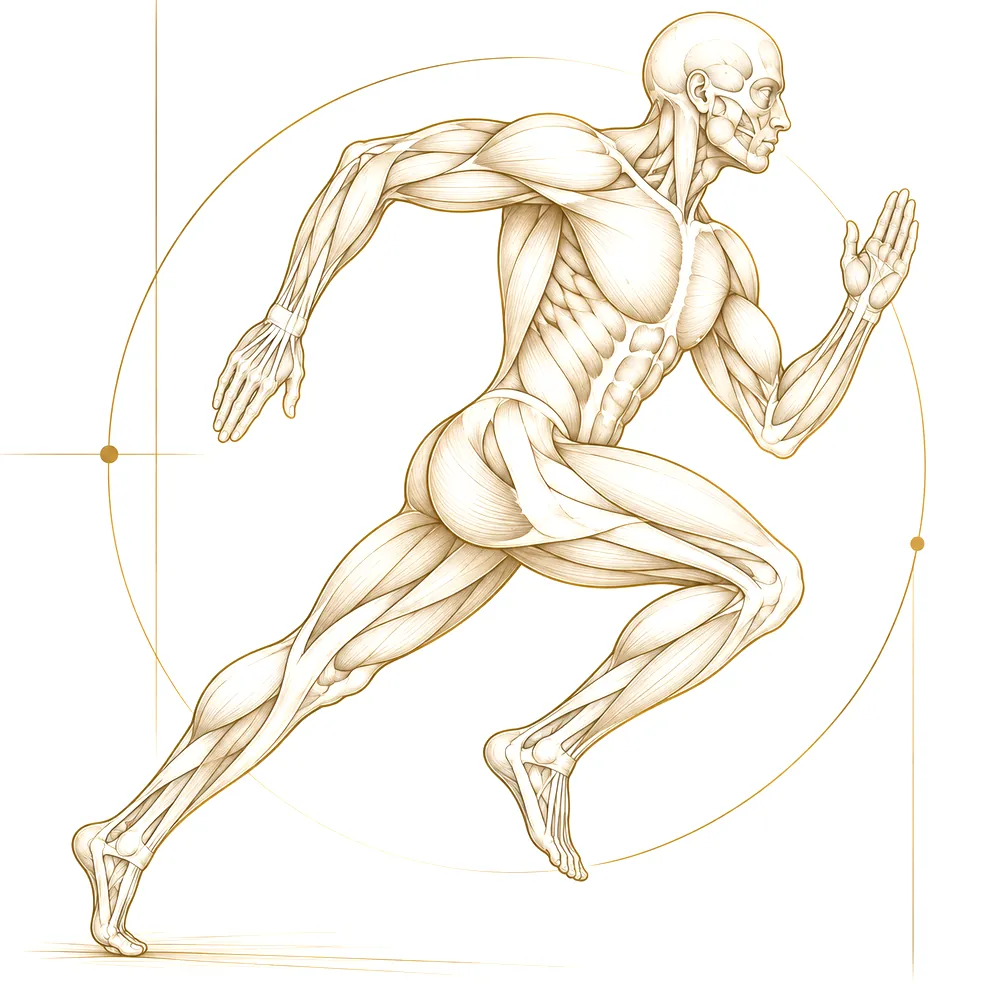 Sports osteopathyRecurring tendinitis, repeated sprains, muscle tightness, returning to sport after an injury.
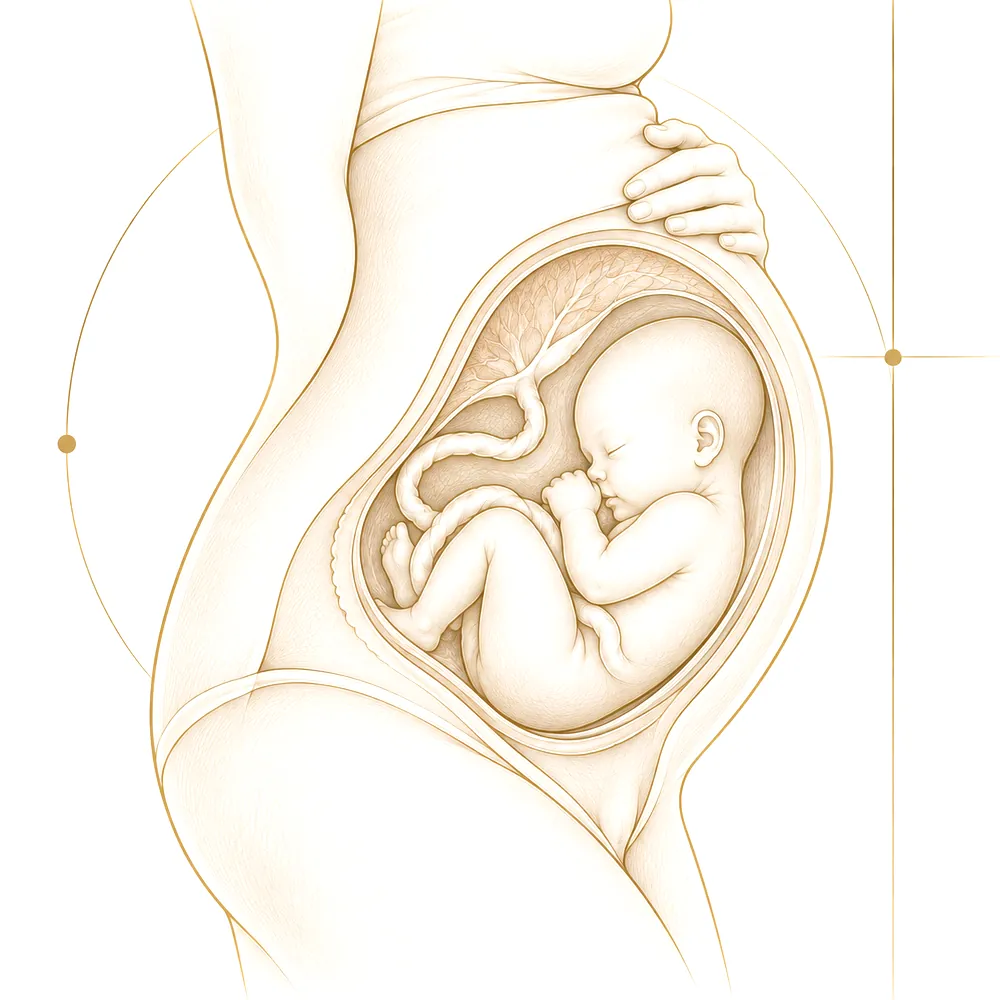 Pregnancy and postpartumBack pain, sciatica, pubic pain during pregnancy, a pelvis that has not recovered since the birth.