What we treat
Back, chest and digestion: reflux, chest tightness and upper back pain
Pain between the shoulder blades, stubborn reflux, a feeling that you can never take a full breath. These problems cross paths more often than you might think, because they share the same crossroads: the diaphragm. Consultations in Paris 8 and Vitry-sur-Seine.
What we treat
Reflux, upper back pain, chest tightness: the conditions we treat
Many patients arrive with just one of these symptoms and leave understanding why they had three.

Back pain between the shoulder blades
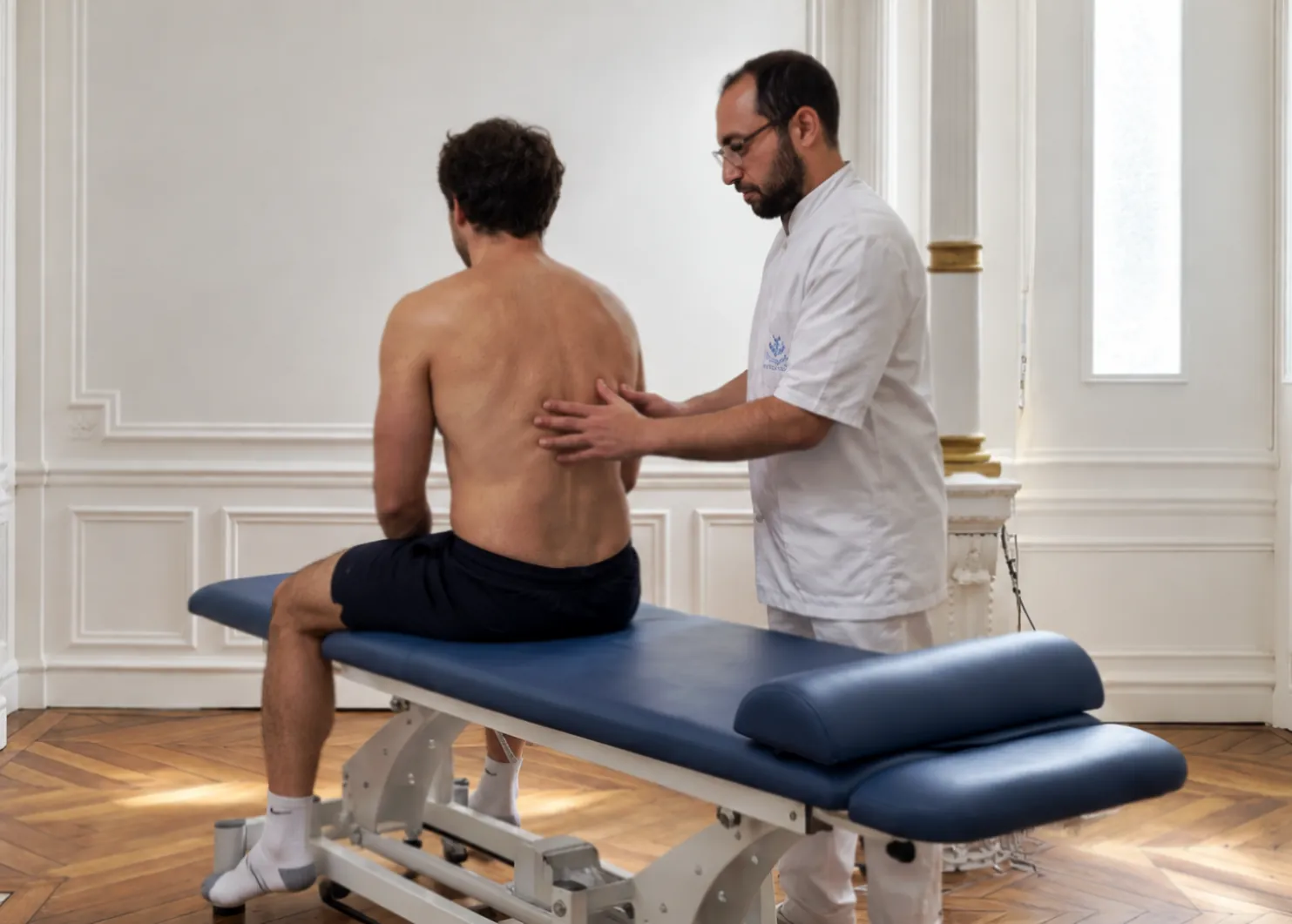
A dull ache in the middle of the back, a feeling of weight between the shoulders, the need to crack your back several times a day. This area supports the mechanics of breathing. When your breathing locks up, this area takes the strain.

Rib pain and intercostal pain
Band-like pain that follows a rib, discomfort when you breathe in deeply, a feeling like a blade between two ribs. It often comes on after physical effort, a prolonged cough, an awkward movement or a period of intense stress.

Chest tightness and shortness of breath
A feeling that you never breathe fully, the need to yawn or sigh to push the air out, a tight chest, breathlessness on exertion even though breathing tests are normal. The diaphragm loses range of movement, breathing moves up into the chest, and the feeling of not getting enough air sets in.

Acid reflux and heartburn
Acid coming back up, a burning feeling behind the breastbone, a bitter taste when you wake up, reflux that persists despite treatment. The oesophagus passes through the diaphragm via a narrow opening. When this area tightens, it works less well as a barrier.

Bloating and heaviness after meals
A swollen belly by the end of the day, trousers that feel tight in the evening, a feeling that digestion is not moving along, discomfort after meals that were perfectly normal.

Nausea and difficult digestion
Feeling queasy with no cause found, changes in appetite, a full stomach after just a few mouthfuls. The nerve that drives digestion passes through the diaphragm. Tension at that point can disrupt it.

A knot in the stomach and a lump in the solar plexus
A constant knot in the pit of your stomach, a compressed chest, a feeling of holding your breath for no reason. It is the most common physical expression of stress that has set in over time.

Pain under the ribs, on the right or the left
A sore spot under the right ribs, tension under the left ribs, discomfort that increases after meals or with exertion. The liver sits under the right dome of the diaphragm, the stomach and spleen under the left. Their attachments pull on the ribcage.

Palpitations and chest tightness with normal heart tests
A racing heart, a feeling of your chest being caught in a vice, reassuring test results yet symptoms that persist. The pericardium, the sac around the heart, is anchored to the diaphragm by fibrous attachments. What tightens one can affect the other.

Persistent hiccups and diaphragm spasms
Hiccups that keep coming back in bouts, a spasm under the ribs, a feeling that your breathing suddenly locks.

After-effects of abdominal surgery and scars
Pain that has set in after an operation, even a long time ago. Appendicitis, gallbladder, caesarean section, hernia, digestive surgery. A scar remains an area of reduced flexibility, and the body organises itself around it for years.

Stress-related tension and restricted breathing
Shoulders constantly raised, short breaths high in the chest, sleep that no longer refreshes you, a feeling of being on edge even when all is calm. The diaphragm is the first muscle to tighten under stress, and one of the last to let go.
Why this pain persists
Why your reflux and upper back pain keep coming back
Your tests are normal, your treatment only half works, and the symptom comes back as soon as you stop it.
There is a mechanical explanation for this, and it comes down to a muscle nobody tells you about.
The diaphragm, the forgotten muscle
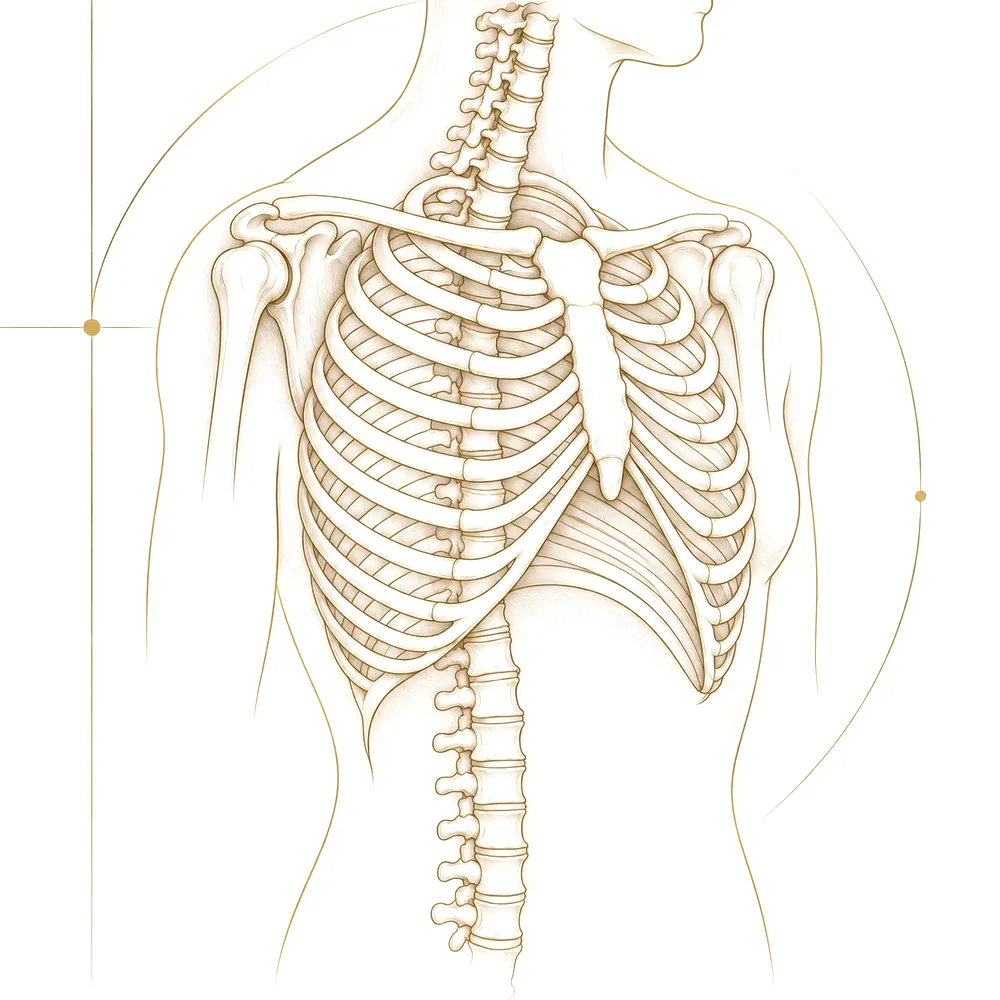
The diaphragm is a broad dome of muscle stretched across the inside of your ribcage, a little like the domed canopy of a parachute. It separates the chest from the abdomen. Above it are the lungs and the heart; below it, the stomach, the liver and the intestines.
It is the only muscle you use more than twenty thousand times a day without ever thinking about it.
Each time you breathe in, it moves down; each time you breathe out, it moves back up. This mechanism governs far more than your breathing.
Four roles for a single muscle
The diaphragm stabilises your posture. It works as a pair with the pelvic floor, right at the bottom of the pelvis: when you breathe in, both lower together; when you breathe out, both rise together. This partnership keeps your trunk stable with every movement. When it goes out of sync, the balance between the lower back and the pelvis becomes precarious.
It drives circulation. Each breath pushes venous blood back towards the heart and helps drain the abdomen. Three major structures pass through it: the large vein that carries blood up from the legs, the body’s main artery, and the duct that drains the lymph. A stiff diaphragm is a pump running at low speed.
It regulates your inner state. The vagus nerve, which drives digestion, heart rate and the return to calm, passes through it via the opening for the oesophagus. Tension at this level can therefore show up as reflux, bloating or palpitations.
It is linked to your neck. Its motor nerve, the phrenic nerve, arises in the cervical spine. A tense diaphragm can therefore keep neck tension going, and the reverse is also true.
The emotional crossroads
Under lasting stress, breathing becomes short and high in the chest. The diaphragm loses range of movement. And because its mobility helps the body return to calm through the vagus nerve, a tense diaphragm sustains the state of alert instead of easing it. The body stays on guard, recovery is only partial, and what was a one-off emotional reaction ends up built into the body’s mechanics.
This is what patients describe when they talk about a lump in the solar plexus that never goes away, or breathing that stays stuck high in the chest.
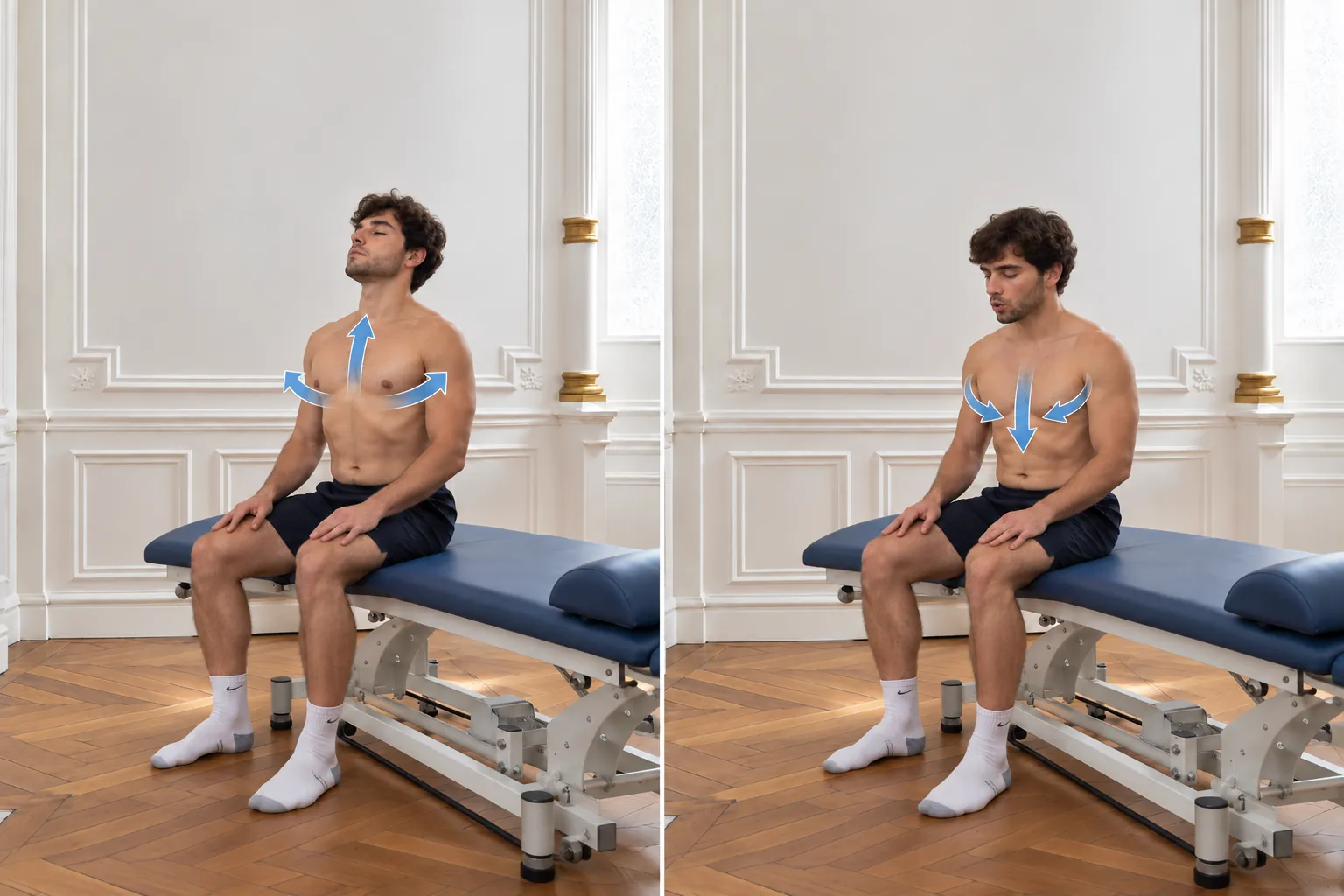
What locks up above can show up below
The body passes its strain along. Tension that has settled in the chest changes the position of the lowest ribs, which changes how the vertebrae of the lower back bear weight, which changes the orientation of the pelvis. The thoracolumbar fascia, a broad fibrous sheet that links the spine to the legs, carries this transfer of forces.
That is why some chronic low back pain resists every local treatment: its origin lies higher up, in a diaphragm that has stopped moving properly.
The organs pull too
Every organ in this region hangs from the dome of the diaphragm by fibrous attachments. The liver fills the whole right side, under the ribs, and its weight has a direct influence on the junction between the ribcage and the lower back. The stomach and spleen occupy the left side, which is lighter but more sensitive, and this area is closely linked to the emotions through its proximity to the heart and the vagus nerve.
When an organ loses some of its suppleness, its attachments pull on the ribcage and the spine. That is why work on the liver can relieve pain in the right shoulder, and why releasing the stomach can ease tension between the shoulder blades.
If your problems are mainly with bowel movements, constipation or irritable bowel, the page on the lower back, pelvis and lower abdomen covers the lower digestive tract in more detail.
Our approach
Our approach to back and digestive pain
In our Paris 8 and Vitry-sur-Seine clinics, we apply the ASSAL Method, developed by osteopath Hosam ASSAL. In this area more than anywhere else, the symptom rarely points to the right place. Our job is to find out which one it is, with the ASSAL test. Of all the areas under tension, this test looks for the one that came first, and you see the result at the same time as we do.

Understanding your digestive and breathing history
Have you had abdominal surgery, even a long time ago? Are you going through a prolonged period of stress? Did your symptoms begin after a particular event, a bereavement, a change, a period of exhaustion? Have you been on treatment for reflux for years? These questions guide our reasoning long before any treatment.
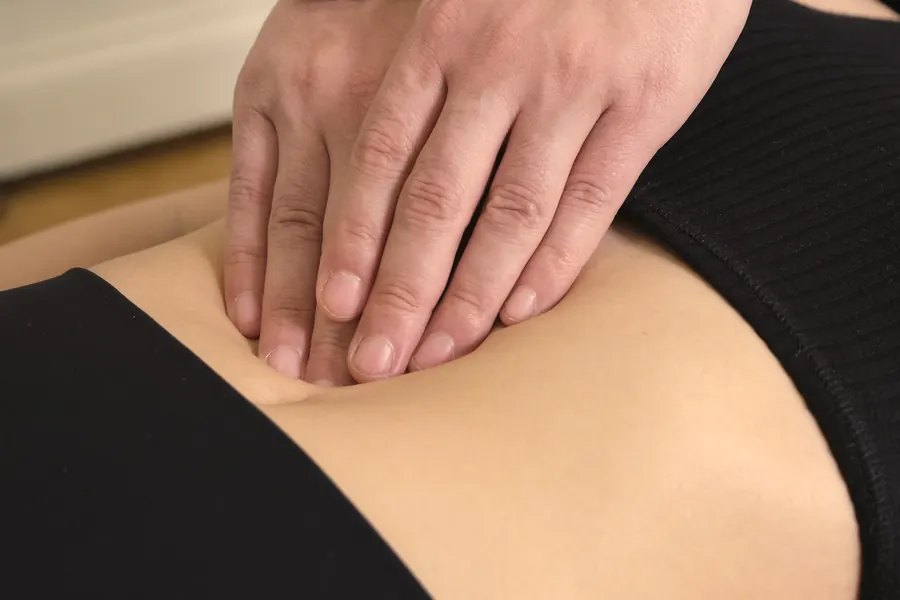
Ruling out what needs a doctor
Chest pain, unusual reflux, recent breathlessness or weight loss call for a doctor’s opinion before anything else. This step always opens the consultation. If your situation is beyond the scope of osteopathy, we refer you to the appropriate practitioner.
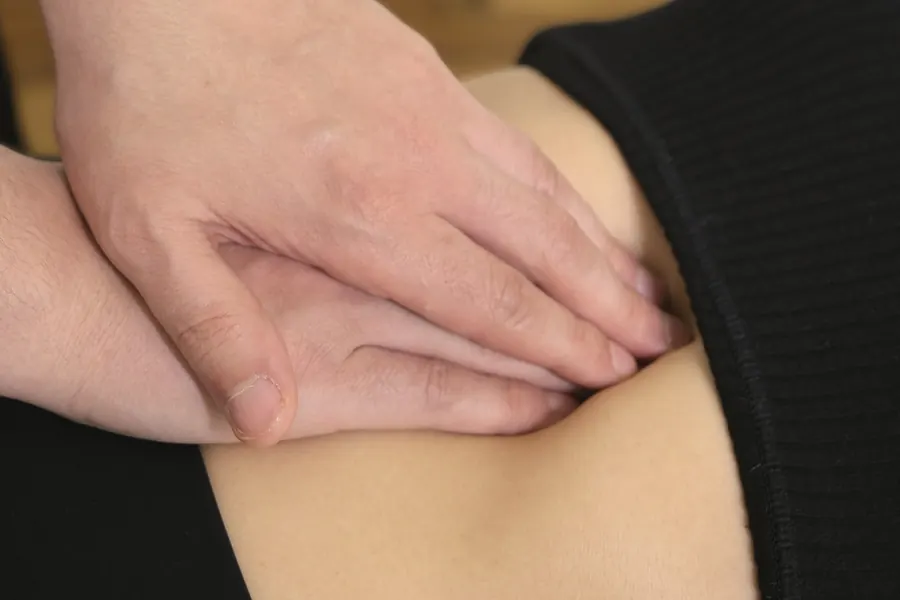
Releasing the crossroads before the periphery
We work on the diaphragm and its attachments first, with gentle, breathing-based techniques, before turning to the vertebrae of the upper back or the ribs. Treating the periphery without releasing the crossroads brings relief that lasts only a few days.
Frequently asked questions
Frequently asked questions about reflux, upper back pain and digestive problems
I had a gastroscopy and everything came back normal. Why do I still have reflux?
Because the examination looks for a lesion in the wall, and it is very good at finding one. The mechanics of the passage, however, remain invisible on endoscopy. The oesophagus passes through the diaphragm via a narrow opening, the hiatus. When this area tightens, it works less well as a barrier, and the contents of the stomach rise more easily. Reflux that resists treatment is sometimes a matter of mechanics rather than acidity.
My back pain between the shoulder blades keeps coming back. Why?
This area is the anchor point for your breathing. This is where the ribs join the vertebrae, and where the diaphragm attaches at the back. When breathing becomes short and high in the chest, which happens as soon as stress sets in, these joints lose their mobility and the area starts to pull. Massaging it brings relief for only a few hours, because the cause of the restriction lies in the mechanics of breathing.
I feel as if I can never breathe fully. Is it all in my head?
No, and it is a feeling we hear about very often. It reflects a mechanical reality: a diaphragm that has lost some of its range of movement. You then breathe with your upper chest, which uses a lot of muscles for very little air. Hence the need to yawn or sigh to really empty your lungs. It is one of the most reliable signs of a restricted diaphragm.
I have been on treatment for reflux for years. Can you help me?
We work alongside your treatment, never instead of it. Our work focuses on the mobility of the diaphragm, the hiatus and the stomach, something your treatment cannot do, since it acts on acidity. Many patients notice that they feel more comfortable. Any change to your treatment is a decision to make with your doctor.
I had abdominal surgery ten years ago. Could it still be playing a part?
Yes, and it is common. A scar, whether visible on the surface or internal, remains less supple than the tissue around it. The body organises itself around it. After appendicitis, gallbladder surgery, a caesarean or digestive surgery, this reorganisation can show up years later as upper back pain, bowel problems or breathing discomfort. We always look into this.
Can stress really cause physical pain?
It does not invent the pain; it entrenches it. Under prolonged stress, breathing becomes shorter and the diaphragm tightens. Because its mobility helps the body return to calm, a tense diaphragm keeps the state of alert going, and the body stays on guard. The cycle feeds itself. Your pain is very real and mechanical, even when its starting point is emotional.
My lower back hurts. Why are you working on my chest?
Because strain travels downwards. Tension in the chest changes the position of the lowest ribs, which changes how the lumbar vertebrae bear weight, which changes the orientation of the pelvis. What locks up above can show up below. We regularly see long-standing low back pain yield to work on the diaphragm, even though every local treatment had failed.
Where should I go: Paris 8 or Vitry-sur-Seine?
Both clinics apply the same method. The Paris 8 clinic is at 32 avenue de Friedland, near Charles de Gaulle Étoile. The Vitry-sur-Seine clinic is at 11 rue Corneille. Simply choose the one that is easier to reach from your home or workplace.
See an osteopath in Paris 8 or Vitry-sur-Seine
If you recognise yourself in this page, a consultation will help us understand the real origin of your symptoms and respond in a way that fits your history.
More of what we treat
Explore what else we treat
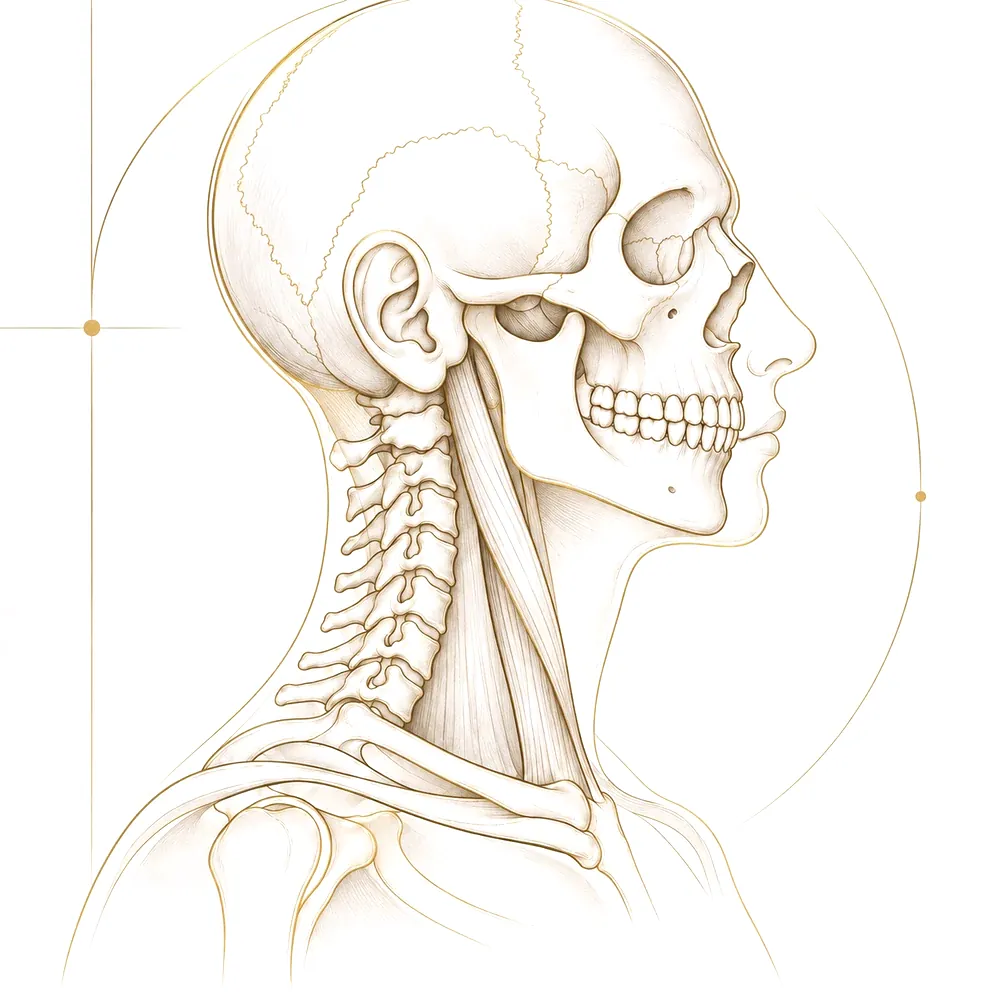 Head, neck and jawMigraines, neck pain, dizziness, tinnitus, jaw locking, neuralgia and after-effects of neck injuries.
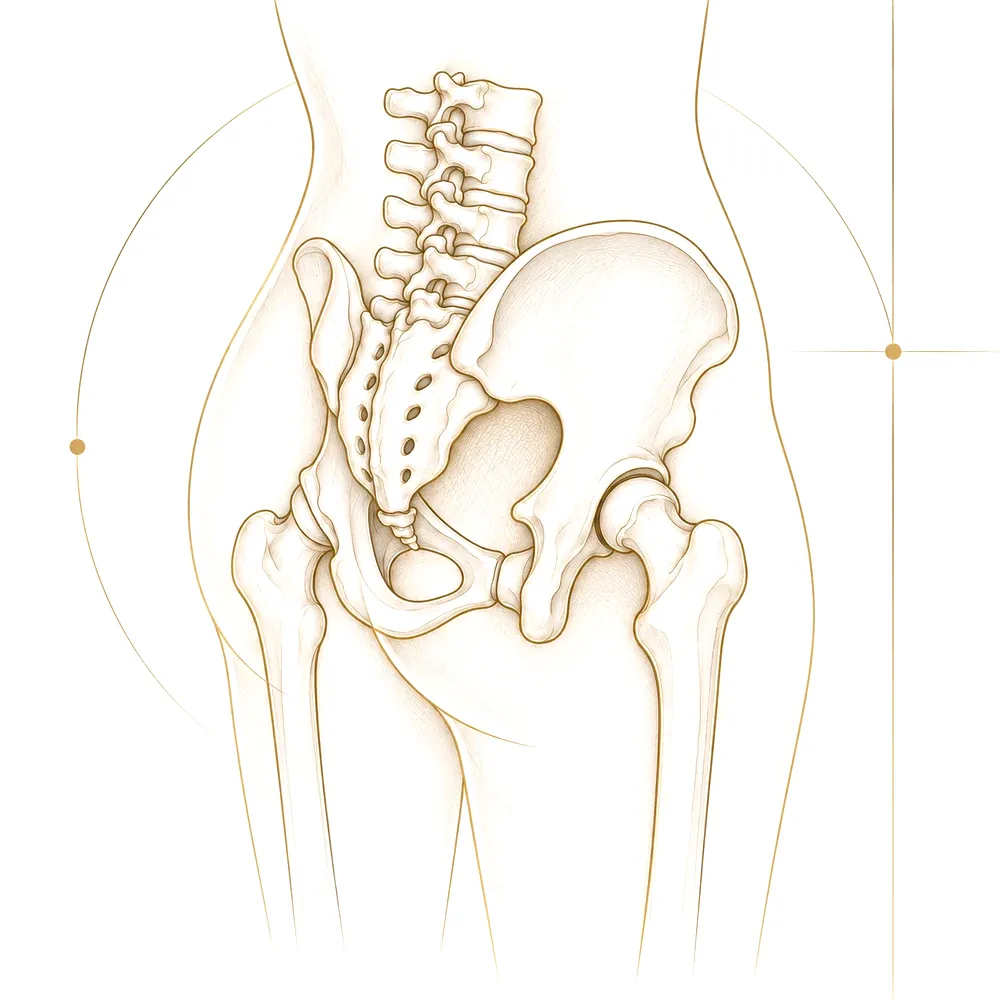 Lower back, pelvis and lower abdomenLow back pain, sciatica, herniated disc, sacroiliac pain, pelvic pain and recovery after childbirth.
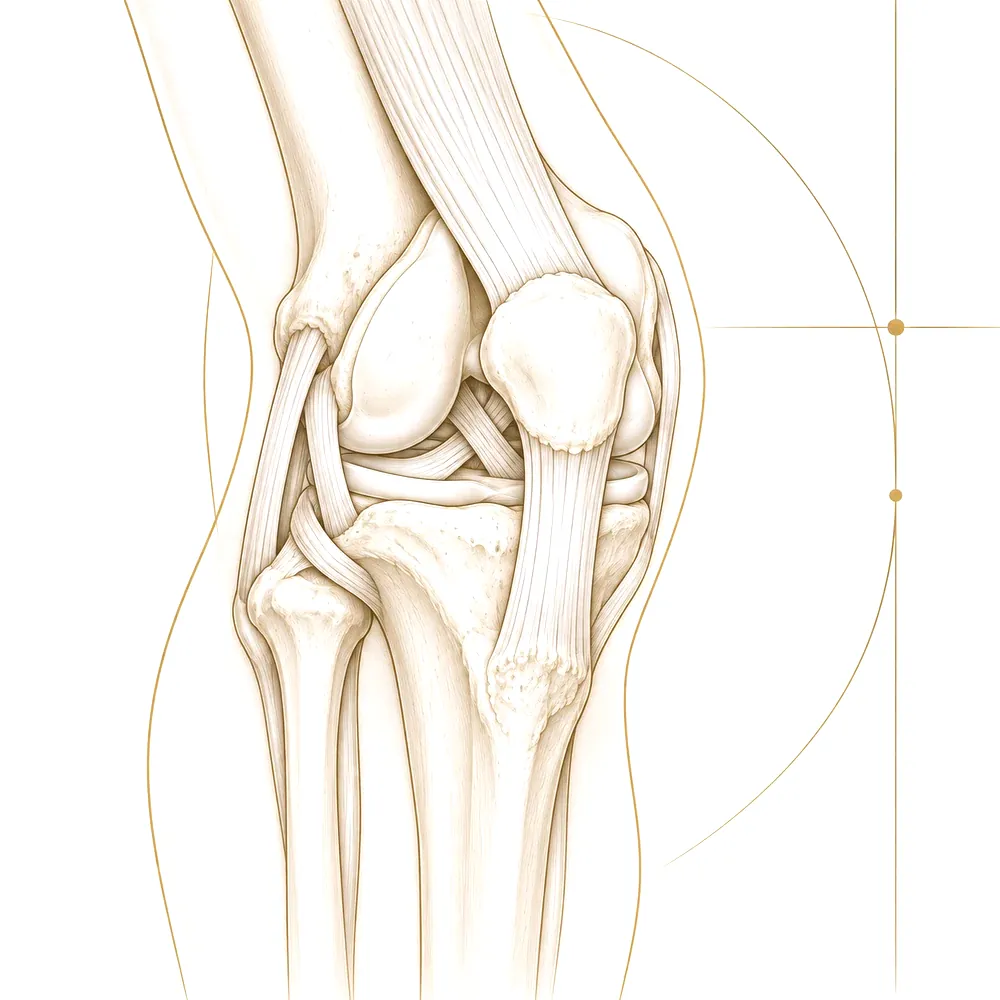 Joints and tendinitisShoulder, elbow, wrist, hip, knee, ankle. Tendinitis, sprains and pain that won’t go away.
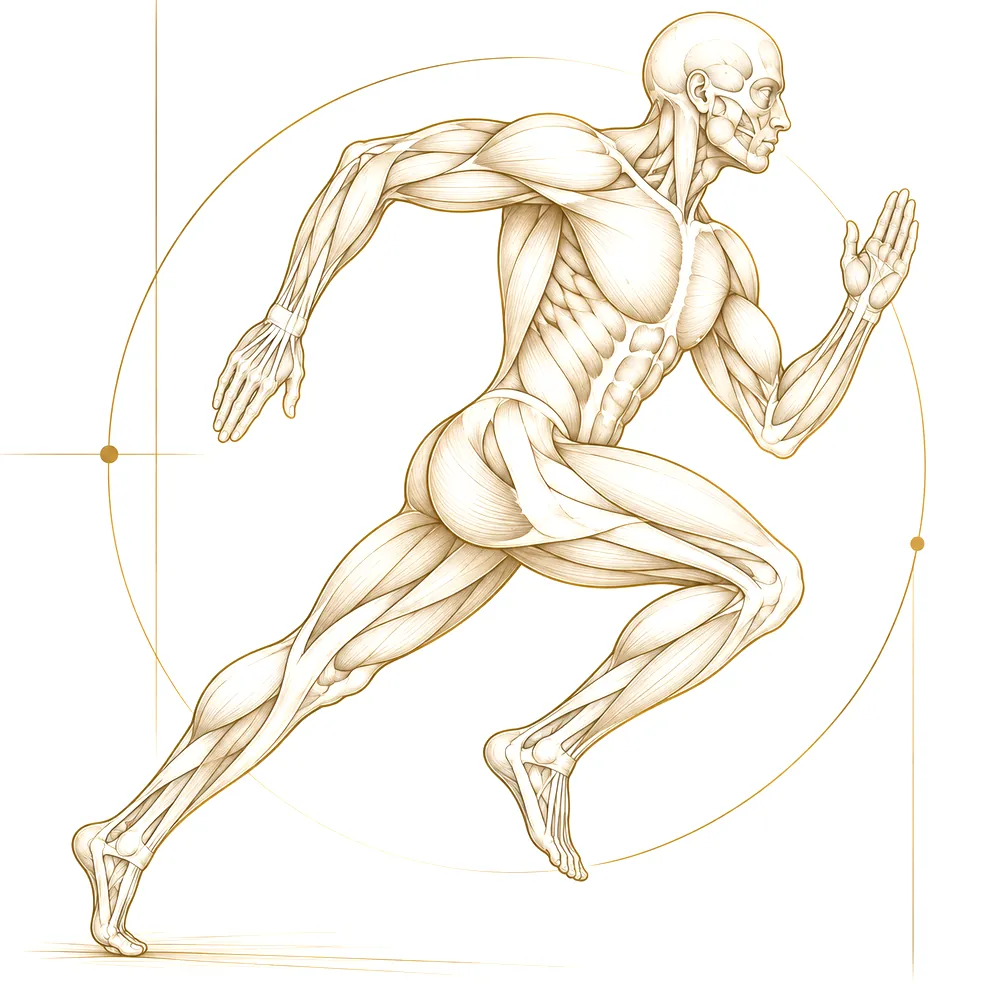 Sports osteopathyRecurring tendinitis, repeated sprains, muscle tightness, returning to sport after an injury.
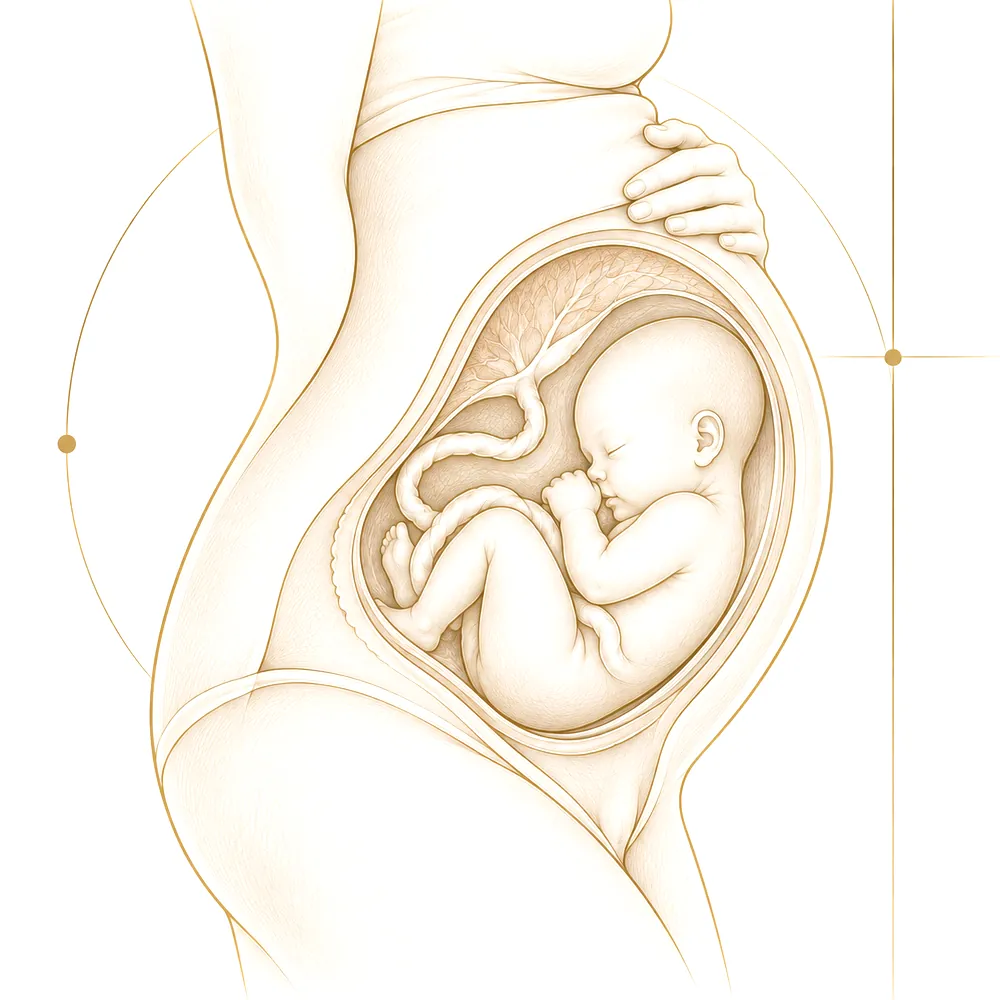 Pregnancy and postpartumBack pain, sciatica, pubic pain during pregnancy, a pelvis that has not recovered since the birth.
 BabiesHead always turned to the same side, a flattening skull, feeding difficulties, crying. From the first month.