
What we treat
Shoulder, elbow, hip, knee, ankle: tendinitis, sprains and joint pain
A recent sprain, tendinitis that drags on, a knee that swells every time you return to activity. Some pain really does come from the place where it hurts. Other pain has only surfaced there. Telling the difference changes the whole treatment. Consultations in Paris 8 and Vitry-sur-Seine.
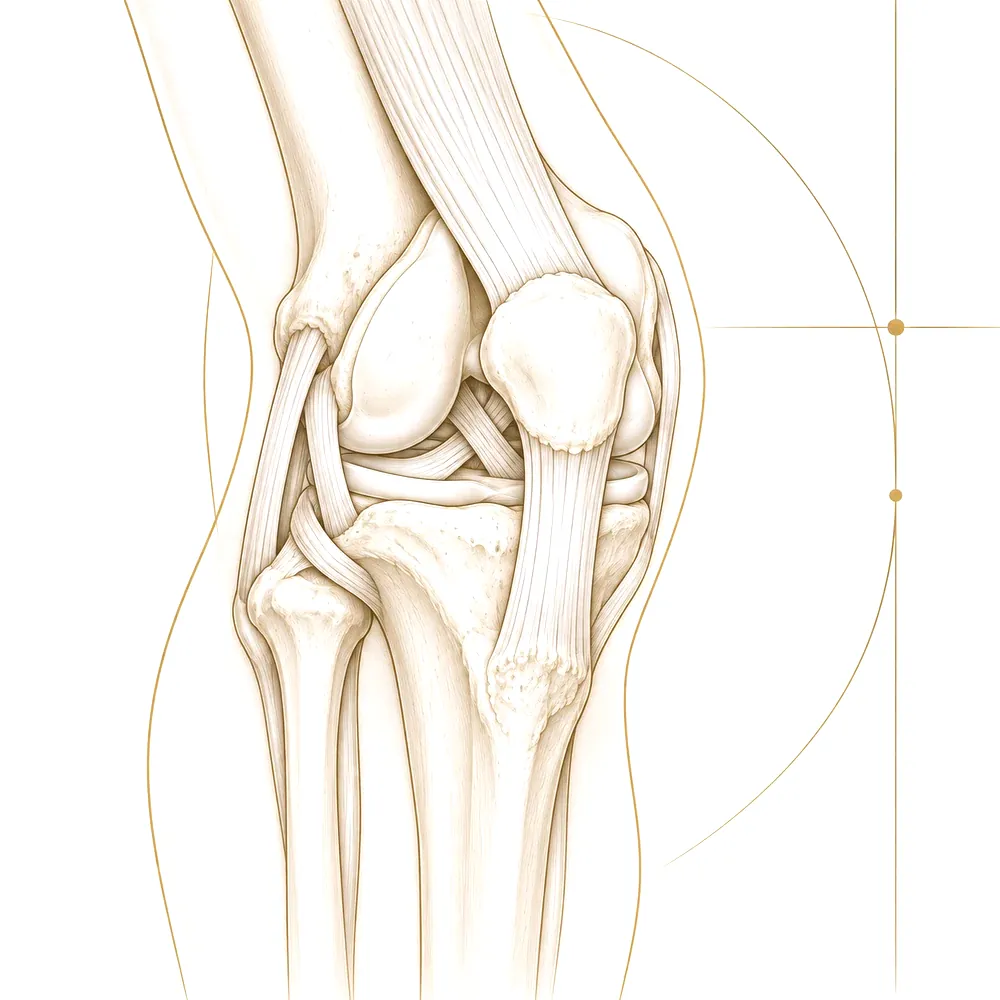
What we treat
Tendinitis, sprains, joints: what we can help with
We treat recent injuries as well as pain that has lasted for years. These are two different situations, which call for two different lines of reasoning.
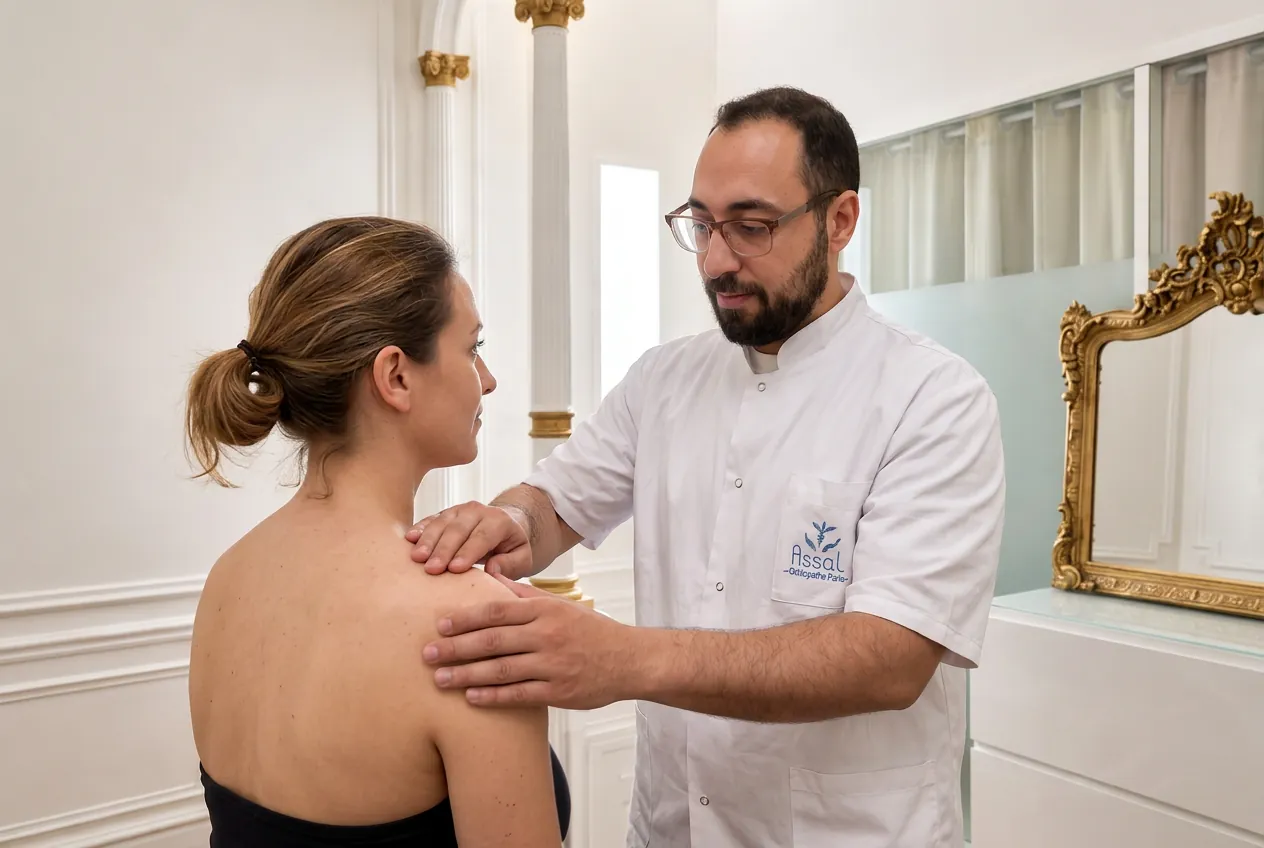
Shoulder and arm

Shoulder and rotator cuff tendinitis.
Pain when lifting your arm, reaching for something up high or putting on a coat. Pain at night as soon as you lie on that side.

Frozen shoulder (adhesive capsulitis).
Gradual loss of range of movement, a shoulder that locks, everyday movements that become impossible.

Pain after unusual exertion.
Moving house, painting a ceiling, going back to sport, carrying a child again and again.

After-effects of a dislocation or a fall on the shoulder.
Lingering apprehension, a feeling of instability, loss of confidence in the arm.
Elbow, wrist and hand

Tennis elbow (lateral epicondylitis).
Pain on the outer side of the elbow, brought on by gripping, carrying or turning a handle. It affects DIY enthusiasts and office workers as much as athletes.

Golfer’s elbow (medial epicondylitis).
The same mechanism, on the inner side of the elbow.

Carpal tunnel syndrome.
Pins and needles in the fingers, a hand that goes numb at night, loss of strength, things slipping from your grasp.

Wrist and thumb tendinitis.
Pain at the base of the thumb, difficulty holding a phone, a saucepan, a child.

After-effects of a wrist sprain or fracture.
Stiffness that persists once the cast is off, a wrist that stays sensitive to changes in the weather.
Hip

Hip pain and restricted movement.
Discomfort in the groin, difficulty crossing your legs, getting into a car or putting on a sock.

Gluteus medius tendinitis.
Pain on the side of the hip, making it impossible to sleep on that side.

Support with hip osteoarthritis.
We work on the mobility you still have and on the compensations, to preserve your comfort and your ability to walk.
Knee

Knee pain when walking or going downstairs.
Diffuse discomfort, a feeling of instability, a knee that swells after exercise.

Patellofemoral pain syndrome.
Pain at the front of the knee, worse after sitting for a long time and when going downhill or downstairs.

Patellar tendinitis (jumper’s knee) and iliotibial band syndrome.
Classic complaints of runners and cyclists.

After-effects of a sprain, meniscectomy or ligament reconstruction.
Recovering mobility and rebalancing weight-bearing after the operation.
Ankle and foot

Ankle sprain, recent or old.
Care during the recovery phase, then for the underlying factors that allowed the sprain to happen.

An unstable ankle that gives way.
A sense of missing your footing, apprehension on uneven ground, sprains that keep happening.

Plantar fasciitis and pain under the heel.
Pain with your first steps in the morning, which fades and then returns at the end of the day.

Achilles tendinitis.
Pain when you start running again, a tendon that is tender when you wake up.

After-effects of fractures and immobilisation.
Stiffness, altered weight-bearing, a limp that sets in.
Why this pain persists
Why your tendinitis comes back as soon as you start again
When pain follows an injury, the origin is where it hurts. When it lasts or keeps coming back, you have to look elsewhere.
These two situations do not call for the same work, and that is the first thing we try to establish.
The simple case, and it does exist
You twisted your ankle. You carried boxes all weekend. You repainted a ceiling. The pain came on afterwards, and it stayed. Here, the origin is local, and so is the treatment. We restore mobility to the joint, relax the surrounding tissues and support your recovery.
Many osteopaths look for a distant cause in every situation. That is a mistake, and the mirror image of another one: treating only the painful area. When the cause is under our hands, we work under our hands.
The stubborn case
Your tendinitis has lasted for months. It eases with rest and comes back when you start again. You have had treatment sessions, anti-inflammatories, sometimes an injection. Nothing lasts.
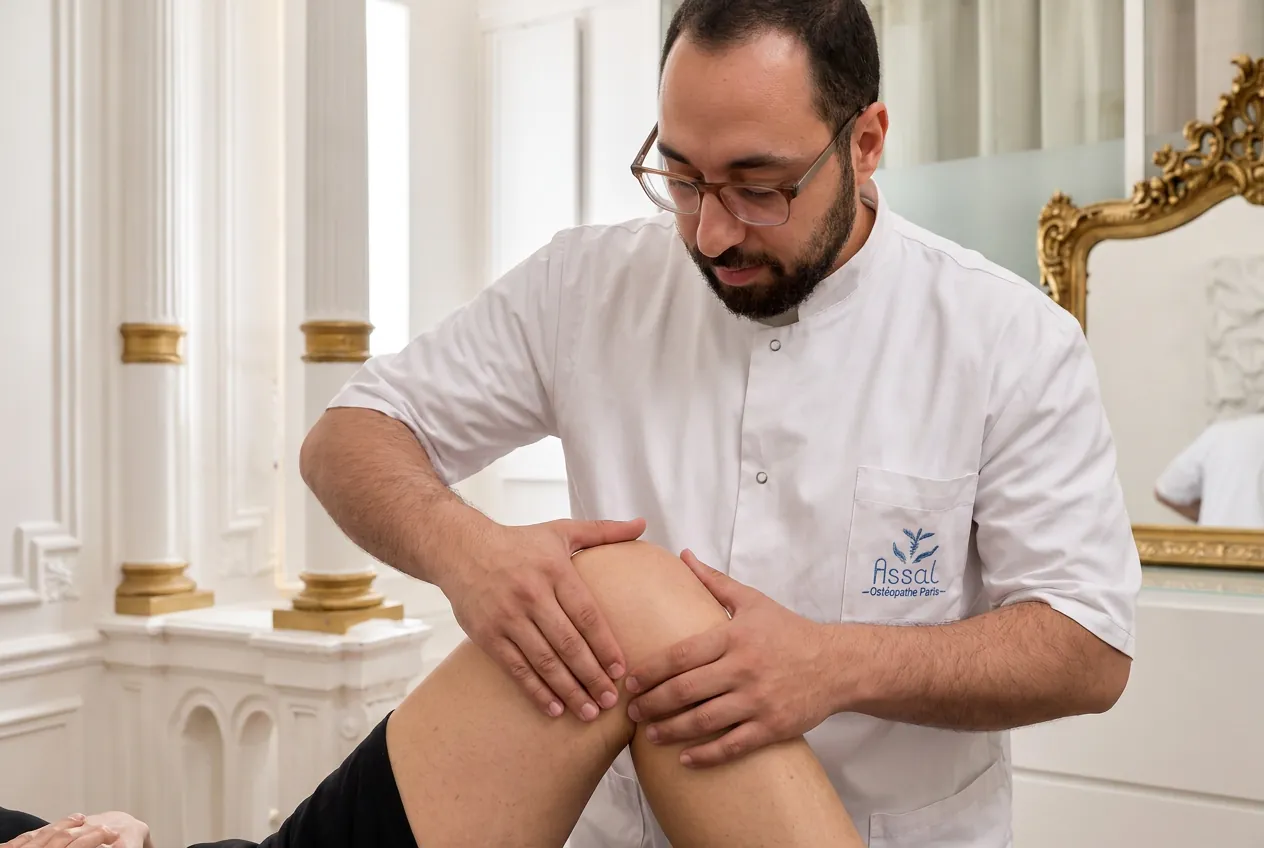
A tendon rarely wears out because it works. It wears out because it is doing the work of another.
A tendon suffers when the load placed on it exceeds what it can take. This overload sometimes comes from too much activity, but far more often from a distribution of effort that has become unfair. A shoulder that moves badly because the ribs or the upper back vertebrae have lost their mobility forces the tendons to compensate with every movement. The tendon that gives way is the weakest link in the chain, rarely the culprit.
This reasoning is widely accepted beyond osteopathy. Rehabilitation protocols themselves recommend ruling out a cause in the neck or upper back when shoulder pain persists.
The overlooked sprain
An ankle that gives way years after a sprain is an ankle that stopped being looked after too soon. This is the main cause of lasting instability: an initial sprain that was not properly managed, with activity resumed too quickly, before the foot had regained its ability to sense its position in space.
The result is a vicious circle. The ankle loses precision, it twists more easily, and each new sprain makes the loss worse. And to avoid pain, the body changes the way it bears weight, which shifts the strain onto the knee, the hip and the lower back.
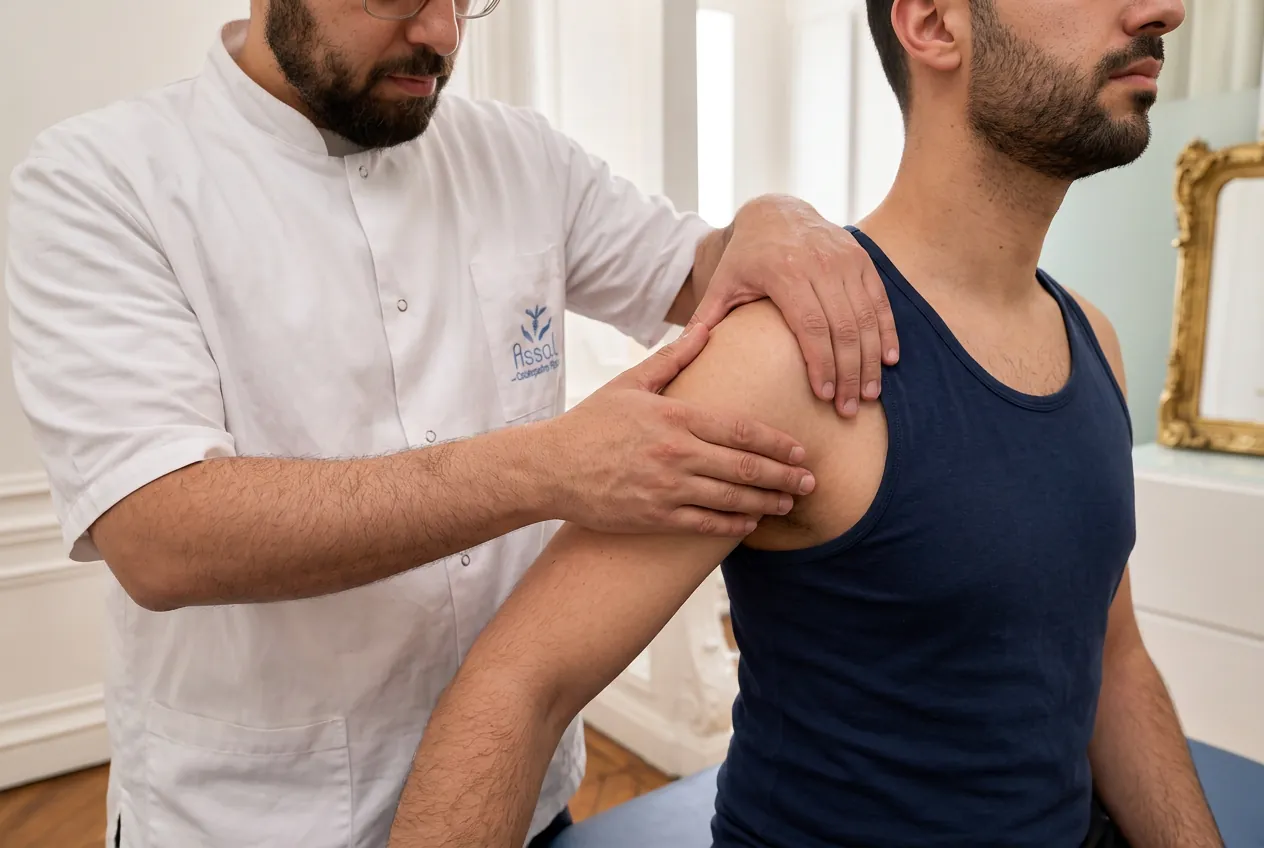
When the origin lies in the trunk
Some limb pain follows pathways that have long been known. A stubborn right shoulder can be linked to tension in the liver, which shares its nerve supply with the neck region. Persistent tennis elbow can stem from the same mechanism. Left hip pain sometimes goes hand in hand with sluggish bowels.
These links do not replace any medical examination. They open up a line of enquiry when everything else has failed, and they explain why we will ask about your digestion when you have come in for an elbow problem.
Your general health counts too
Long-term stress raises background muscle tension and weakens the tendons. Some general imbalances, metabolic or hormonal in particular, also make repeated tendinitis more likely. When several tendons hurt at the same time with no mechanical explanation, this possibility deserves a doctor’s opinion, and we will refer you.
Pain that travels down the leg rarely comes from the leg.
Sciatica, femoral nerve pain (cruralgia), pain starting in the buttock: this pain is felt in the limb, but its starting point is almost always in the lower back or the pelvis. It is covered in detail on the page dedicated to that area.
See the Lower back, pelvis and lower abdomen page
Read the article: Fascia, the little-known tissue that connects the whole body
Our approach
Our approach to tendinitis, sprains and joint pain
In our Paris 8 and Vitry-sur-Seine clinics, we apply the ASSAL Method, developed by osteopath Hosam ASSAL. For this area, the method is always combined with a detailed local examination.
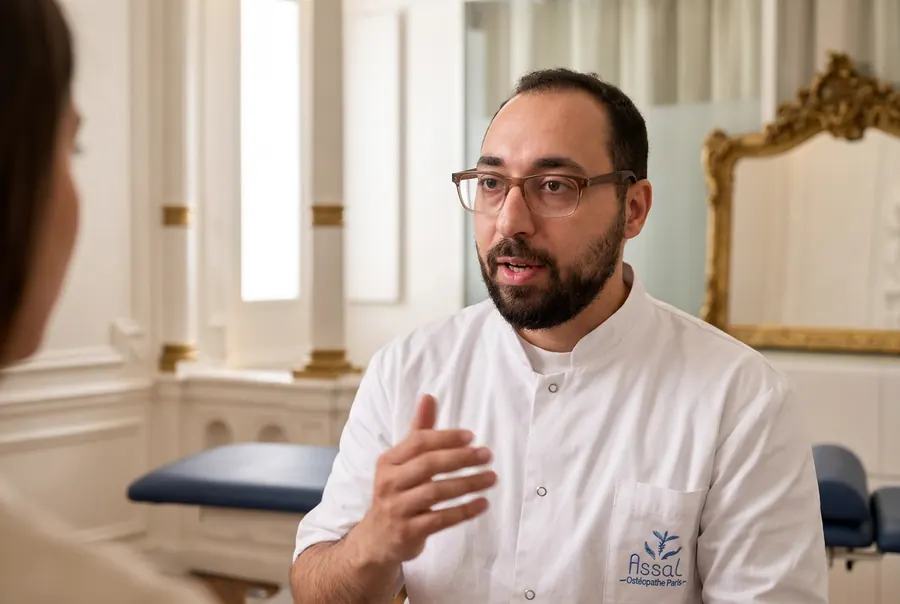
Understanding what happened
What were you doing when the pain started? Was it a specific event, or did it come on gradually? Had anything changed in the previous weeks, such as a new workstation, a return to sport, a house move or new shoes? Have you been injured in the same place before? These answers point straight away towards a local or a distant cause.
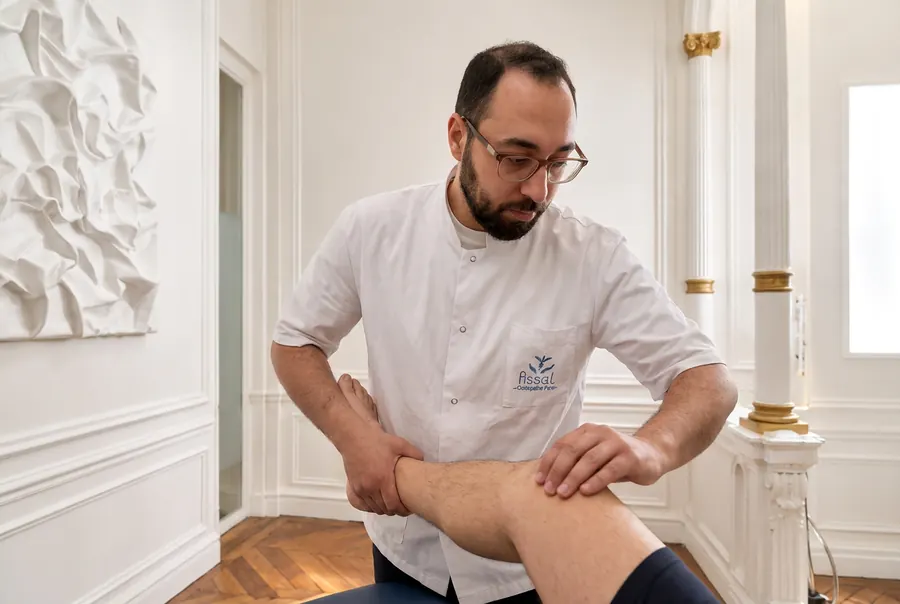
Testing the area, then the whole body
We carry out the orthopaedic tests specific to the joint concerned, because a ligament injury, a tendinopathy and a subtle joint problem each call for a different response. Then we carry out the ASSAL test on the whole body, to find out whether this area is working alone or compensating for another. Of all the areas under tension, this test looks for the one that came first, and you see the result at the same time as we do.
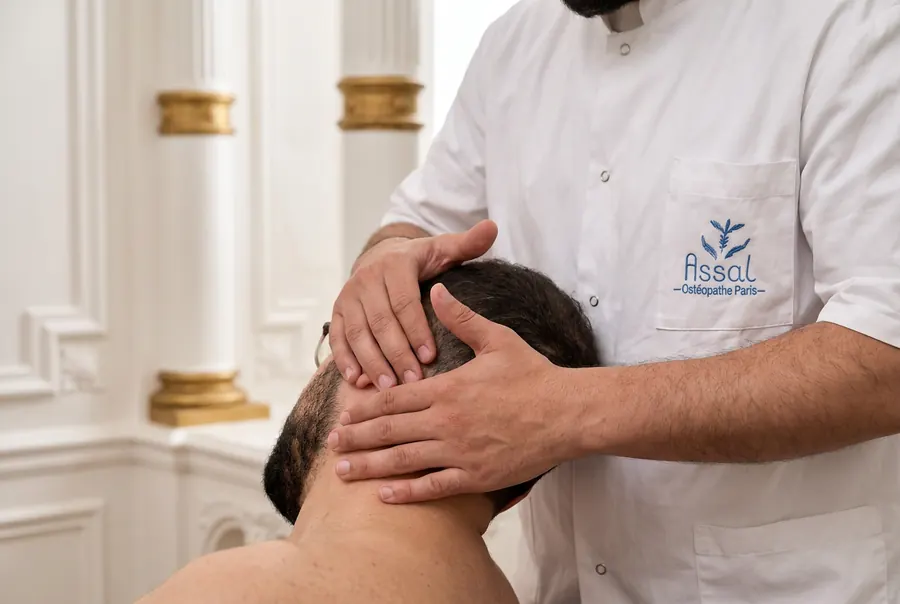
Knowing when to refer
A deformity after an impact, an inability to bear weight, swelling with warmth or fever, a sudden loss of strength, night pain that no position relieves: these situations need a doctor’s opinion before any manual treatment. We always check for them and refer you without delay.
Frequently asked questions
Frequently asked questions about tendinitis, sprains and joint pain
Why does my tendinitis return every time I go back to sport?
Because rest calms the tendon without correcting what was overloading it. A tendon suffers when the load exceeds what it can tolerate, and this overload often comes from a neighbouring joint that has become less mobile and makes it carry a share of work that is not its own. As long as this distribution stays the same, going back to sport brings back the same strain, and the pain with it.
I have twisted my ankle. When should I see an osteopath?
As soon as possible, once a fracture has been ruled out. This is the most important point in the whole management of a sprain. An ankle that gives way years later is almost always an ankle that went back into action too quickly, before it had regained its ability to sense its position in space. A sprain that is properly looked after from the start prevents years of instability.
I sprained my ankle a long time ago and it still twists easily. Can it recover?
Yes, in a large majority of cases. The remaining instability comes from a loss of precision in the foot rather than from irreversible damage. The work covers the mobility of the ankle and foot, the mobility of the joints above (often the knee and hip, which have changed the way they bear weight), and restoring the quality of the foot’s contact with the ground.
I have been offered an injection or surgery for my shoulder. Is it worth seeing an osteopath first?
In fact, it is the right time. Tendinitis that has lasted for months deserves a check on where the overload really comes from before considering a more invasive procedure. That check takes one consultation. If the origin is mechanical and lies elsewhere, things can improve. If not, you will at least have ruled out this possibility, and you can make the decision with your doctor, fully informed.
Why do you ask about my digestion when it is my elbow that hurts?
Because some pain in the upper limb follows nerve pathways shared with organs in the trunk. A right shoulder or an elbow that resists all local treatment can stem from this mechanism. We never start there, and this line of enquiry does not replace any medical examination. It simply explains why we look broadly before drawing conclusions.
I have osteoarthritis. Can osteopathy still help me?
We do not change cartilage, and nobody does. However, a joint with osteoarthritis is always surrounded by areas that have stiffened to protect it, and these are what cause much of the day-to-day discomfort. Restoring their mobility and rebalancing the way you bear weight often improves comfort and walking, without acting on the wear itself.
How many sessions will I need?
A recent injury often needs few sessions, sometimes only one if the cause is local and the body is responsive. Pain that has been there for years needs more, because the layers of compensation have to be released in the order in which they were built. What is different with this approach is that you see the change during the session itself, rather than waiting several weeks to judge.
Where should I go: Paris 8 or Vitry-sur-Seine?
Both clinics apply the same method. The Paris 8 clinic is at 32 avenue de Friedland, near Charles de Gaulle Étoile. The Vitry-sur-Seine clinic is at 11 rue Corneille. Simply choose the one that is easier to reach from your home or workplace.
See an osteopath in Paris 8 or Vitry-sur-Seine
The earlier a recent injury is dealt with, the better it responds to treatment. Pain that has lasted for years deserves, at last, a search for its source.
More of what we treat
Explore what else we treat
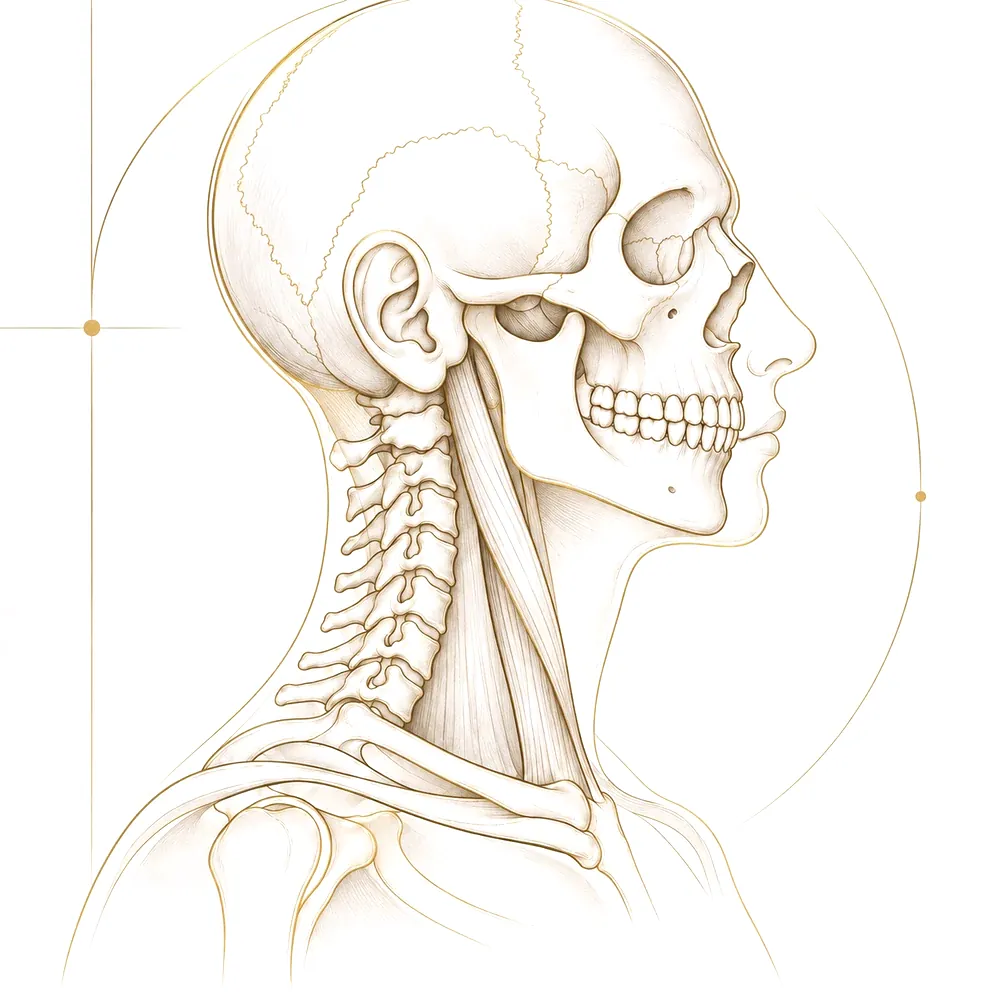 Head, neck and jawMigraines, neck pain, dizziness, tinnitus, jaw locking, neuralgia and after-effects of neck injuries.
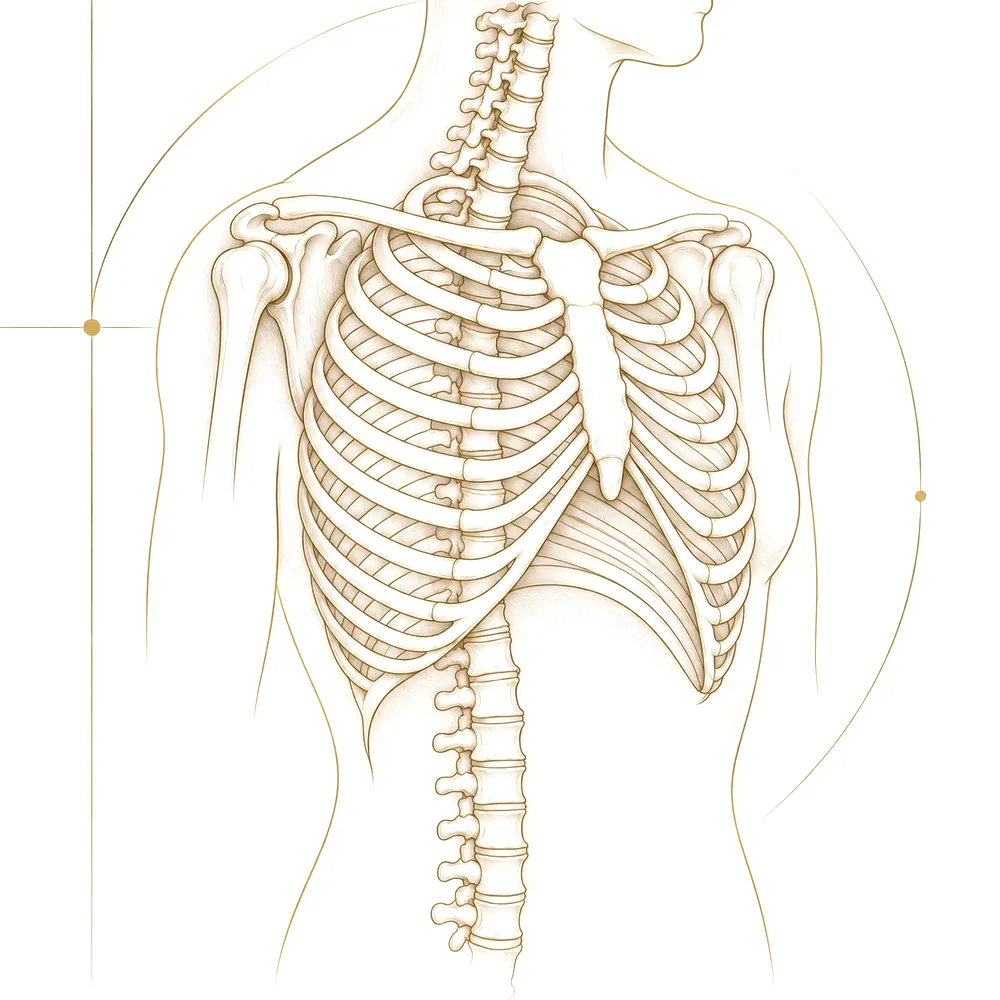 Back, chest and digestionReflux, pain between the shoulder blades, chest tightness, bloating and rib pain.
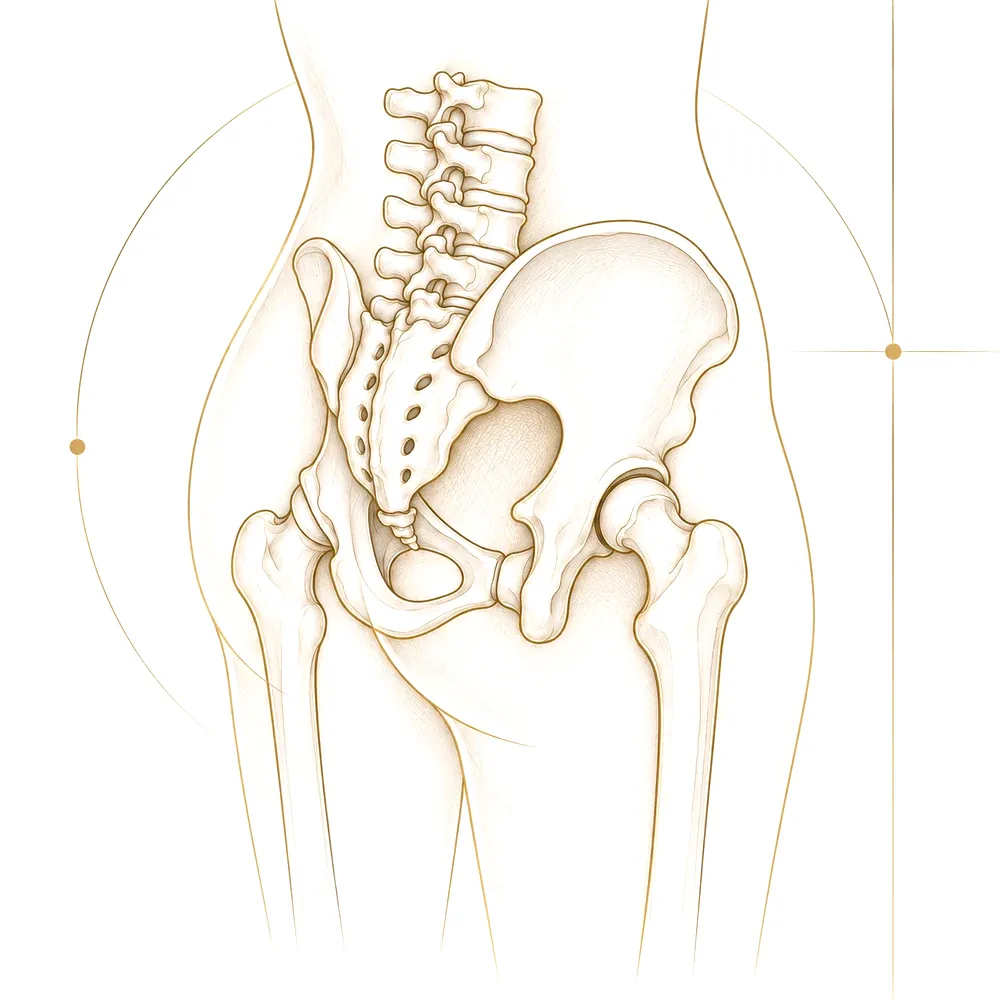 Lower back, pelvis and lower abdomenLow back pain, sciatica, herniated disc, sacroiliac pain, pelvic pain and recovery after childbirth.
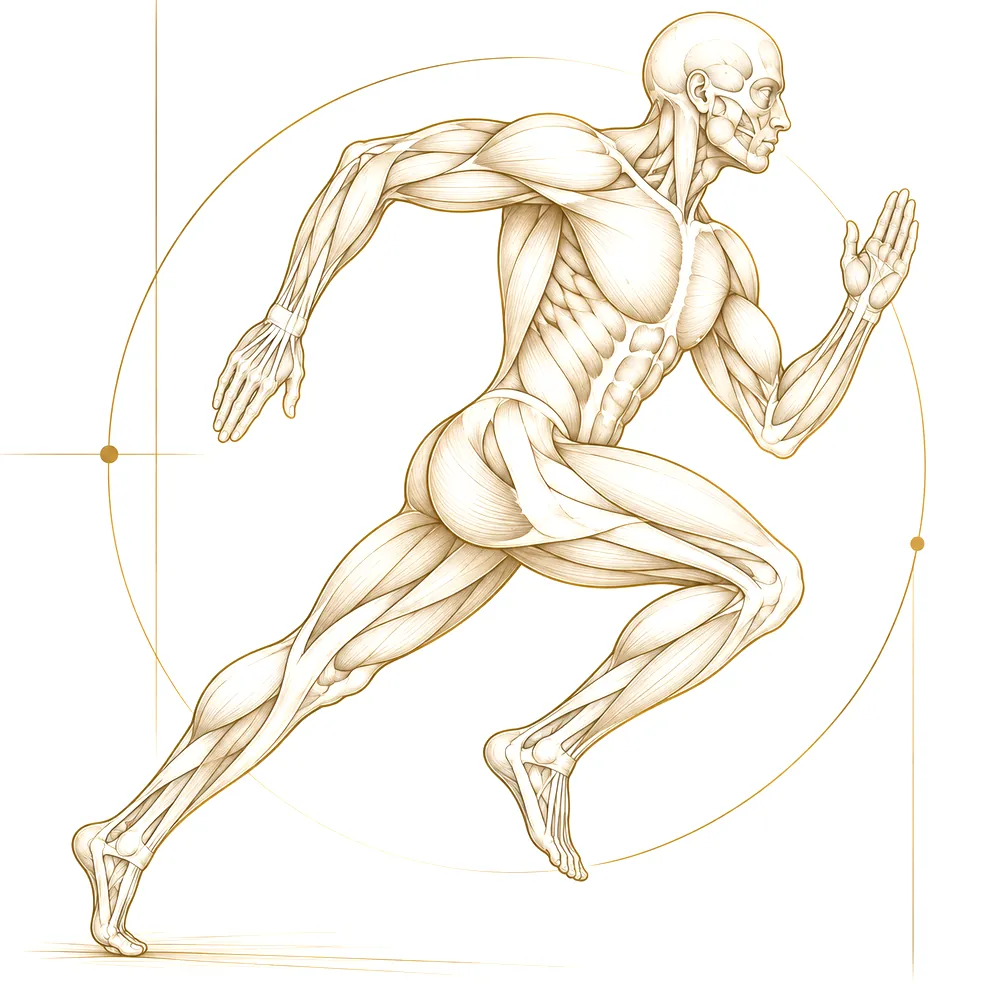 Sports osteopathyRecurring tendinitis, repeated sprains, muscle tightness, returning to sport after an injury.
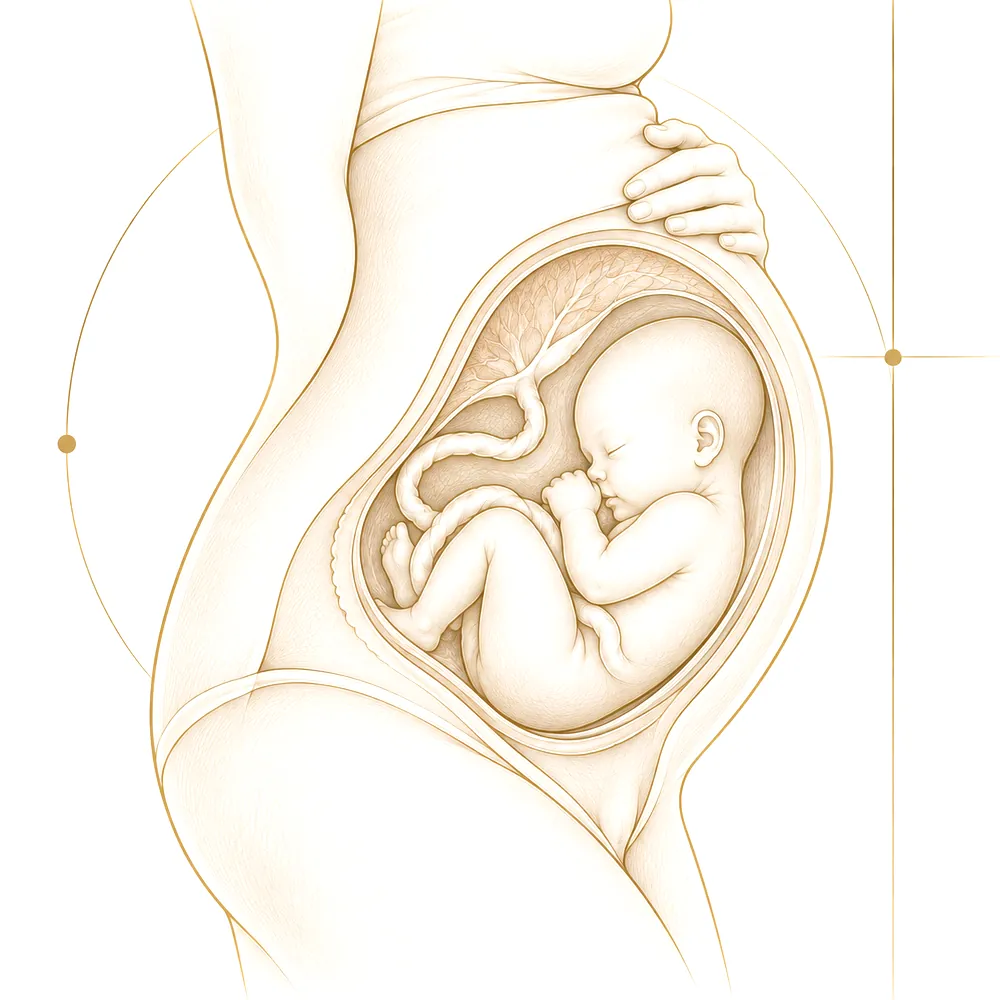 Pregnancy and postpartumBack pain, sciatica, pubic pain during pregnancy, a pelvis that has not recovered since the birth.
 BabiesHead always turned to the same side, a flattening skull, feeding difficulties, crying. From the first month.