
What happens at your first osteopath appointment?
You have booked an appointment, and a little voice is already asking questions. Will I have to undress? Is it going to crack? And what if the osteopath finds nothing? Here is how a first session goes with us, from the clinic door to the moment you leave.
In short
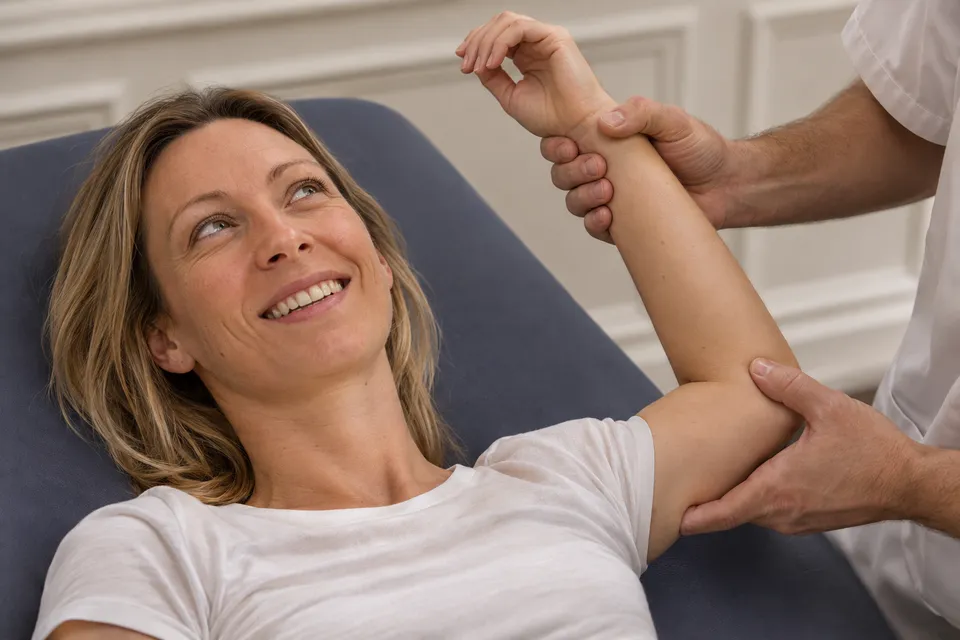
A first consultation with an osteopath begins with a short conversation at the desk, continues on the table with tests and then the treatment, and ends with a new test that checks the effect of the work with you. Allow forty-five minutes to an hour for an adult, with no referral needed. You keep your underwear on or wear soft, comfortable clothes, a sheet covers you, and nothing is done without your consent.
The night before, you reread the appointment confirmation. Twice. A colleague told you about a session where “everything cracked”. You have seen those videos where a back snaps like a dry branch. Or perhaps, above all, you are in pain, you have been for too long, and you hardly dare to hope any more.
Let me walk you through a first session as it happens in Paris 8 and in Vitry-sur-Seine. No mystery.
How does a first osteopathy session begin?
With a look, then a question. I observe you from the moment you come through the door: the way you walk, one shoulder higher than the other, a head that barely turns to say hello. This first look sometimes gives me a lead. I am careful not to jump to conclusions: it is only a hypothesis. Your body will confirm it, or not, on the table.
Then I simply ask you: “What brings you here today?”
What questions does the osteopath ask at the first session?
Short, precise questions. Some patients dread leaving with the thought: “We mostly just talked.” I understand: you come to be treated.
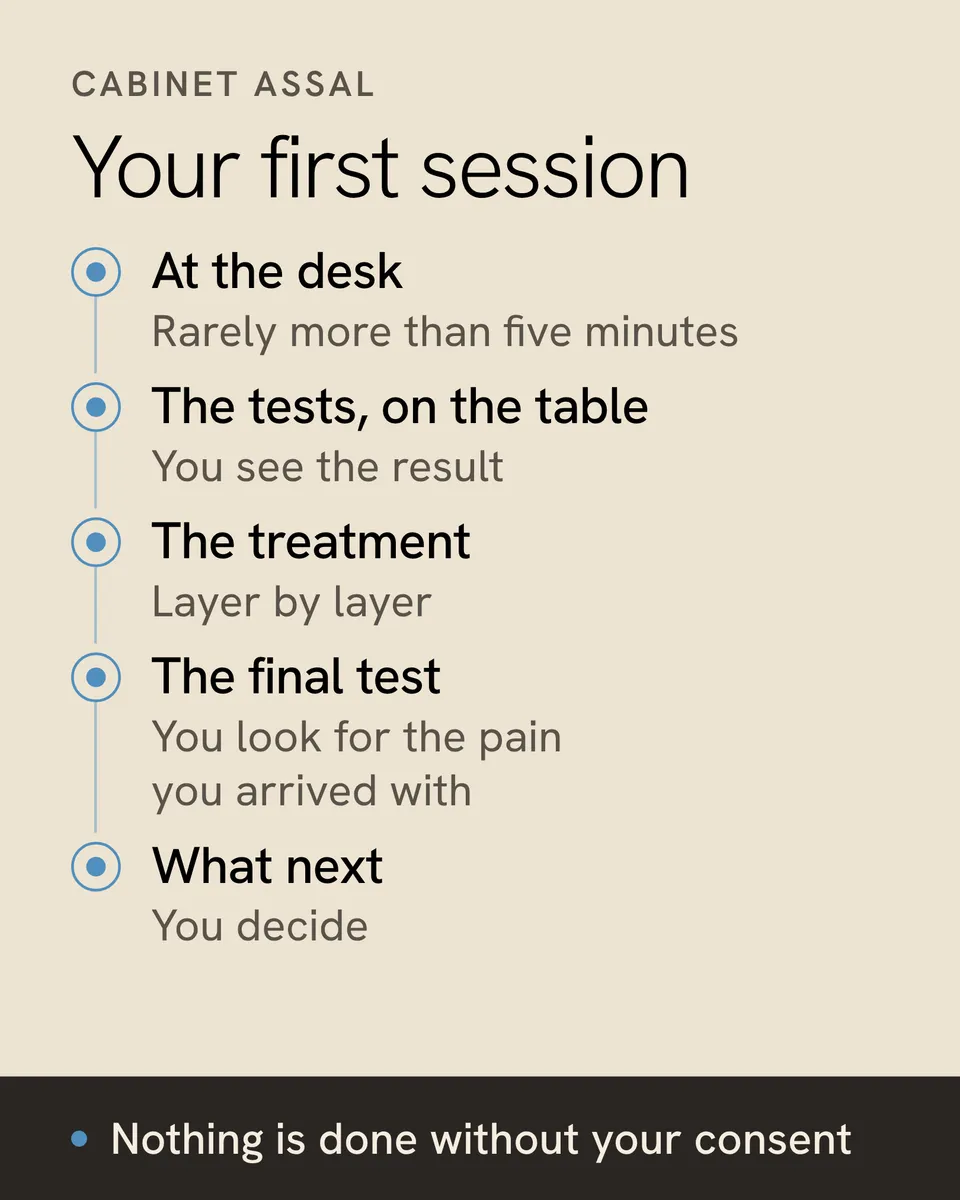
At the desk, this conversation rarely lasts more than five minutes. Its first purpose is to make sure that nothing needs a doctor’s attention. I ask whether you have had surgery, even a long time ago, whether you are on any treatment, whether you have had a fall or an accident. Then whether you have been through a difficult period, a bereavement, a separation, stress that would not end: these ordeals also leave their mark on the body.
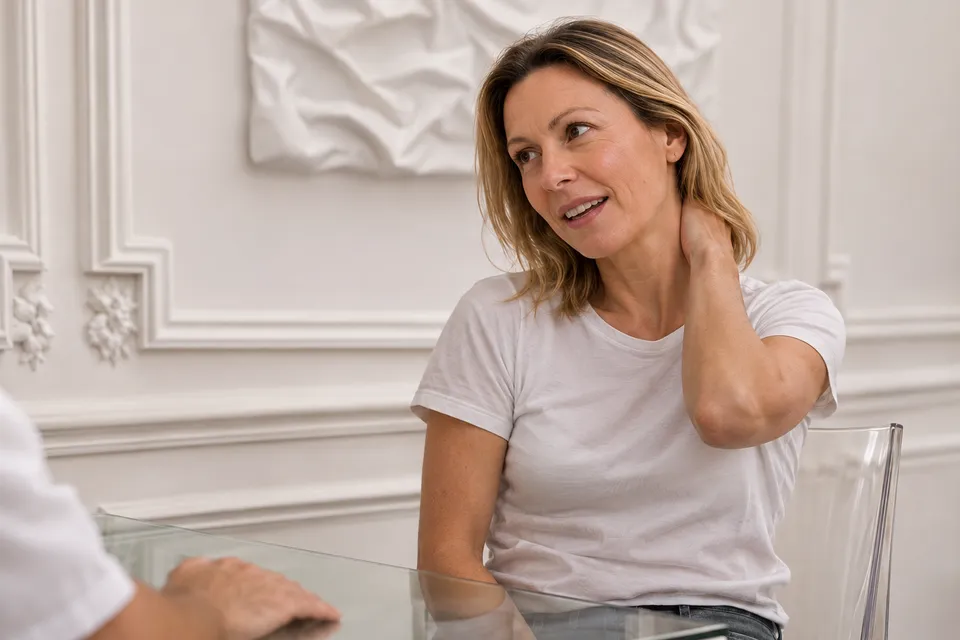
The rest is said on the table. A tension under my hands leads me to ask the question that was missing. This is what I call a shared case history: the time for questions begins at the desk, and it continues during the tests.
What should you wear to an osteopath appointment?
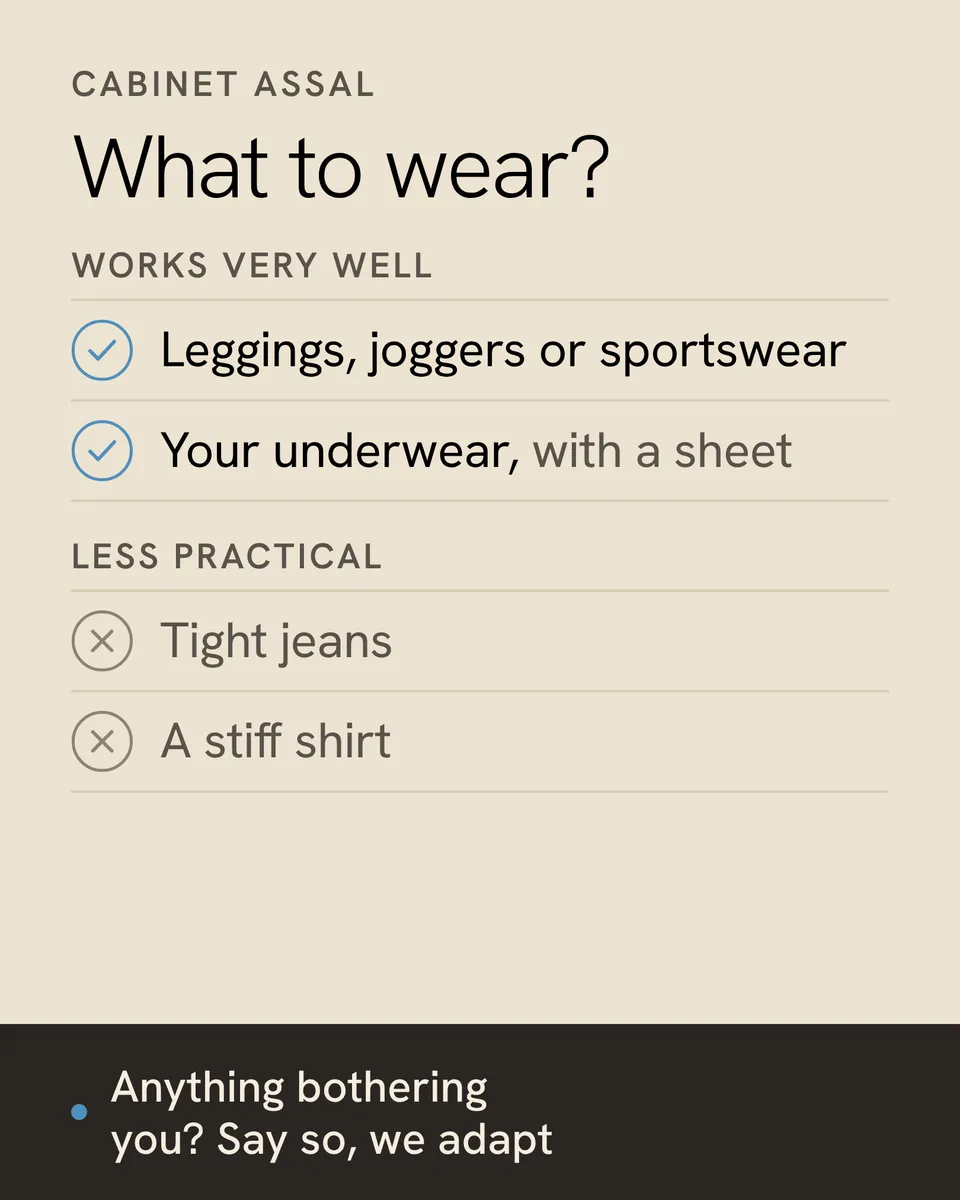
Soft, comfortable clothes are enough: leggings, joggers or sportswear do not get in the way of the session at all. What matters is that we can see your posture and reach the areas to be tested. Many patients prefer to stay in their underwear, and a sheet then covers everything that is not being worked on. Only tight jeans or a stiff shirt would make our job harder. If anything bothers you, say so: we adapt.
How does an osteopathy session work?
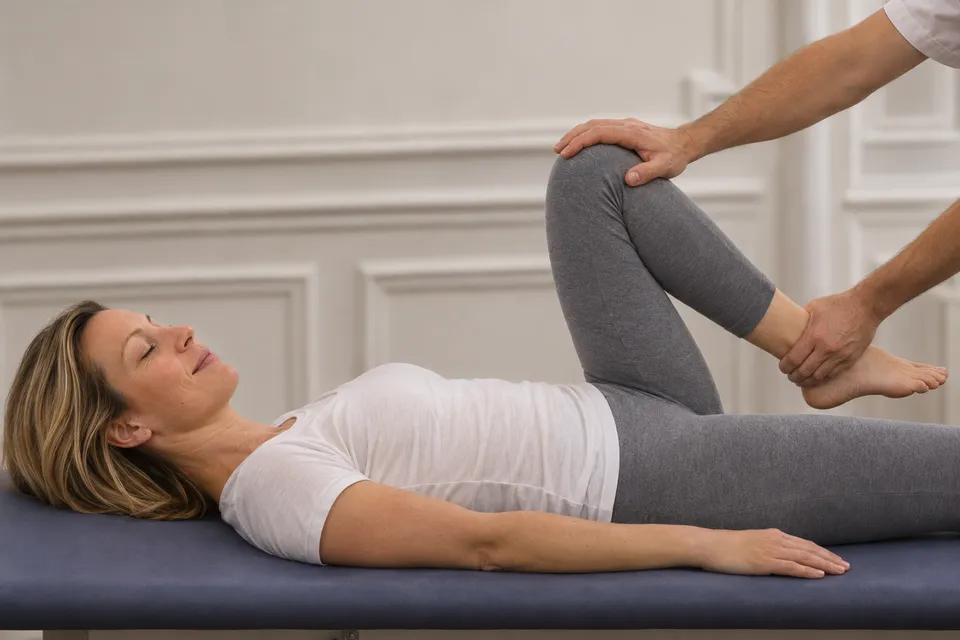
On the table, you go through tests, then the treatment, then a new test. Once you are settled, I say the same sentence every time, with a smile: “All you have to do is nothing at all. I take care of everything.”
I first look at how you move, then I carry out the ASSAL test, on which our method is based.
The ASSAL Method
The ASSAL Method is the approach we apply in our clinics in Paris 8 and Vitry-sur-Seine, developed by Hosam ASSAL, osteopath. It relies on the ASSAL test. Of all the areas under tension, this test looks for the one that came first, and you see the result at the same time as we do.
I explain what I find as I go along.
The place where it hurts is not always the one to treat first.
The treatment follows, layer by layer. After each step, we repeat the test, and you follow with us what it shows. I tell you what I feel under my hands, and you can ask all your questions.
Are you in Paris or the Val-de-Marne, and do you want to understand where your pain comes from? That is what we look for from the very first session. Book an appointment in Paris 8 or Vitry-sur-Seine.
Does an osteopathy session hurt?
In the vast majority of cases, no. An area under tension can be sensitive while it is being worked on, and you will feel it. If it is too much, you say so, and we change technique.
I am thinking of a patient in her fifties who came for her very first osteopathy consultation. She had fallen on her left side, and her hip was very painful. She had brought her X-ray: it showed no damage to the bone.
I started working. She could not tolerate any mobilisation. I stopped immediately.
I explained to her that an X-ray shows the bone, not everything around it. I advised her to rest for ten days and to come back when the pain began to ease. If it did not ease, or if it came back, she would need to talk to her doctor to complete the assessment.
The pain settled fairly quickly. Ten days later, she came back, and this time her hip could be worked on without pain.
Knowing when to stop is part of the care.
If an area is too painful, we do not insist. If your history or the examination calls for a doctor’s opinion, we tell you, and the session adapts or stops there.
Will the osteopath crack my joints?
Not necessarily, and never without your consent. That same patient was very apprehensive: what she saw on social media worried her. I did not perform any manipulation that cracks. I respected her wishes, and gentle work was enough.
The little sound you sometimes hear comes from a change of pressure in the joint. It is harmless, and it proves nothing about the quality of the treatment: many sessions go by without it. We only use this technique when it is useful, and we always warn you first. If it worries you, say so, and we will work differently.
The test guides me.
You set the limits.
How long does an osteopathy session last?
Allow forty-five minutes to an hour for an adult. For a baby or a young child, the session is shorter, about half an hour (see our Babies page). At the end, I ask you to move and to look for the pain you arrived with: “Is it the same intensity, or is it better?”
When it is better, many add: “It’s much better, but at the end of the movement I can still feel it a little.” That is normal. The body needs a few days to integrate the session. Temporary tiredness or aches, as after sport, are possible for two or three days. If pain gets worse or persists, call us or see your doctor.
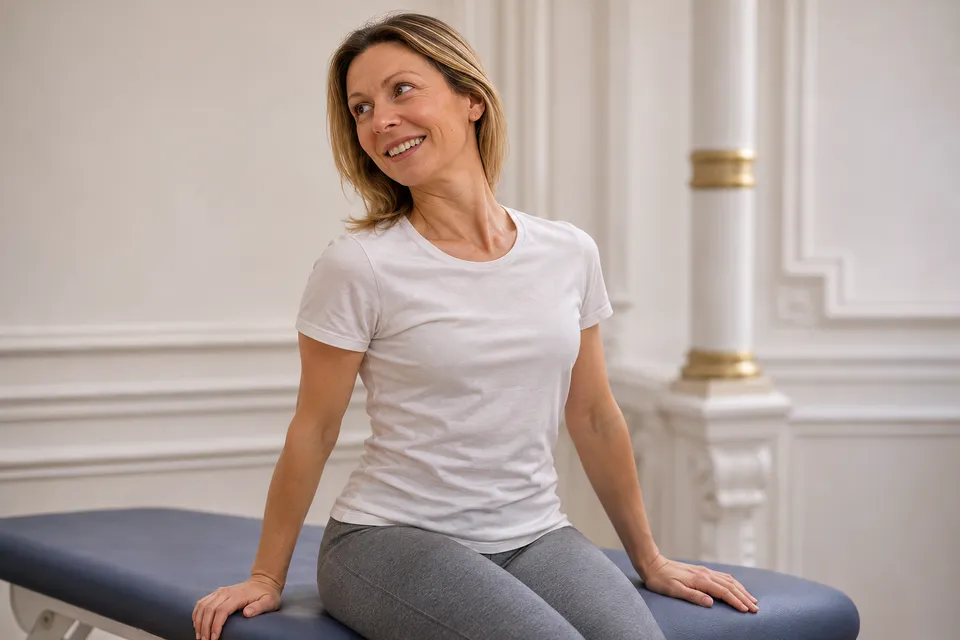
Before you leave, we tell you whether another session seems useful to us, and when. You decide. The patient with the hip, for example, wanted to come back very quickly. I suggested three weeks later, to give her body time to integrate the work. At the end of the session, you are given an invoice for your top-up health insurance (mutuelle). For the number of sessions and fees and reimbursement, the answers are in our FAQ.
Do you need a referral to see an osteopath?
No. Osteopathy is directly accessible: you can book an appointment without a referral. The title of osteopath and the procedures an osteopath may perform are regulated by a decree (in French), and every osteopath must be registered with the Regional Health Agency.
Instead, bring what you have: your X-rays, MRI or CT scans, even old ones, or at least their reports, and the list of your treatments. They tell us what has already been investigated, and what has been ruled out. If your doctor has already seen you for this problem, their opinion is useful to us.
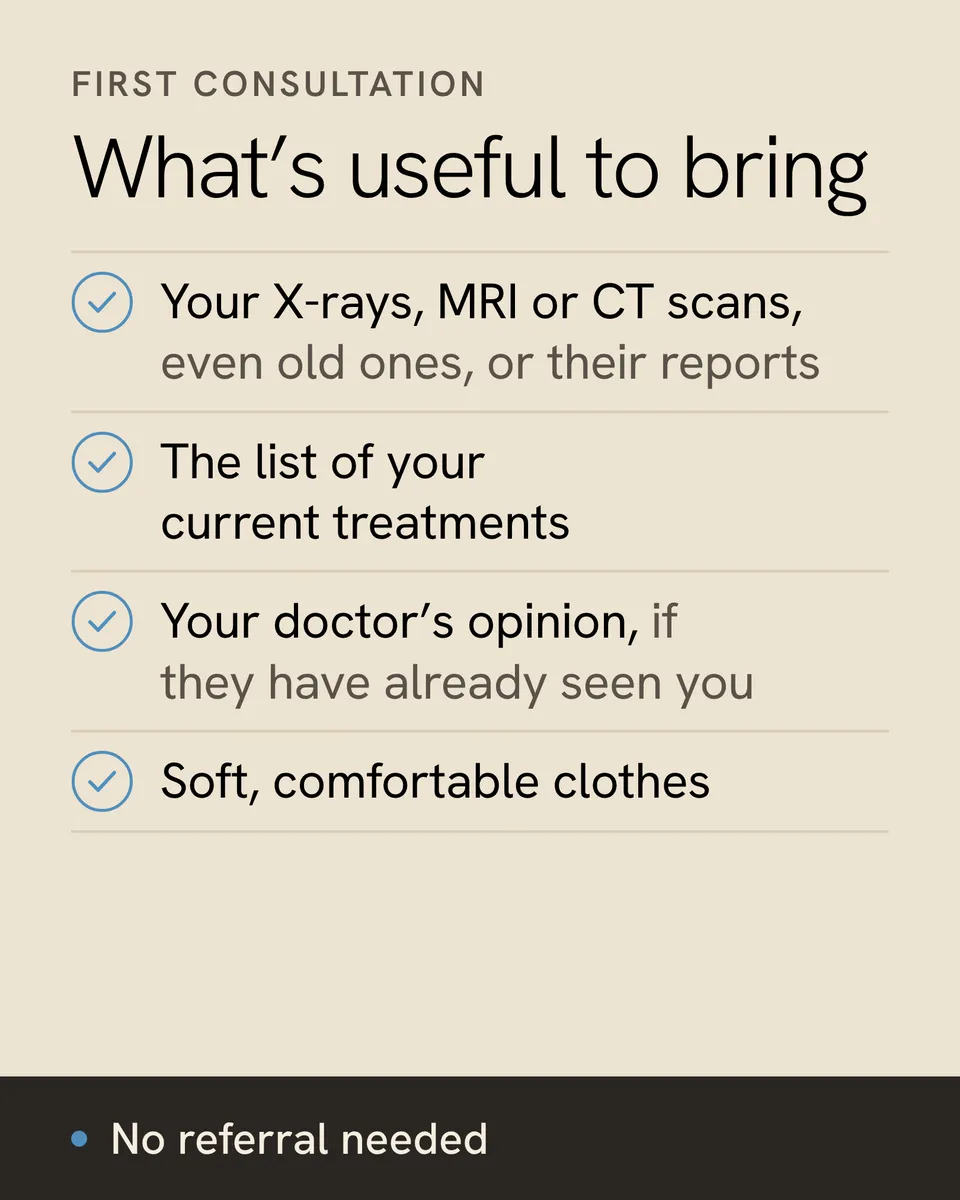
So no referral: you can book directly online, Monday to Sunday. Can’t find a slot that suits you? Send us a message on WhatsApp at +33 6 51 77 41 86: tell us in a sentence what is happening and when you are available, and we will look for a solution.
What if you don’t know where to start?
Some patients sit down and tell me: “It hurts everywhere, I don’t even know where to start any more.” Finding where to start is precisely our job.
Your pain is not a mystery. It is a story, and it has a starting point. The first session is for looking for it with you. Were you wondering whether the osteopath would find anything? With the test, you leave with what you have seen and felt for yourself.
“He takes the time to really understand where our pain comes from, examines each area carefully and does not hesitate to make recommendations.”
Guylaine, patient of Hosam ASSAL in Paris 8 (translated from French)
We prepare your first session with the same care in both our clinics. Book online, Monday to Sunday:
In Paris 8, with me or with Michaël.
In Vitry-sur-Seine, with me or with Amine.
Prefer to call? +33 1 44 09 95 80 for Paris 8, +33 1 75 37 53 41 for Vitry-sur-Seine.
Come with your story.
Together, we will find where it begins.
About the author
Hosam ASSAL is an osteopath (French Diploma in Osteopathy, D.O.), trained at the École Supérieure d’Ostéopathie de Paris, and has been in practice for more than ten years. Founder of the ASSAL Method, he sees patients in Paris 8 and Vitry-sur-Seine, alongside Michaël Vallée Kallézis and Amine Medjaoui. He also teaches his method to osteopaths and to final-year osteopathy students.
What we treat
Head, neck and jaw
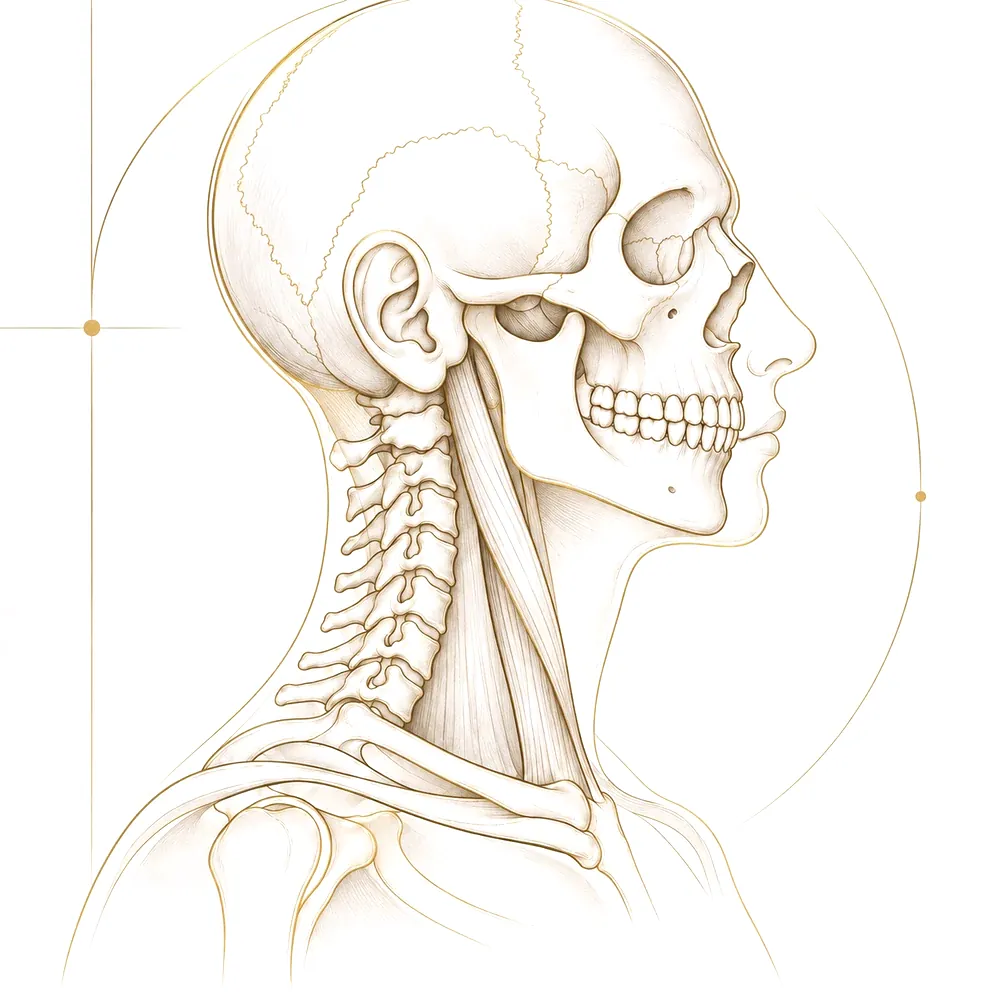
Migraines, neck pain, dizziness, tinnitus, jaw locking, neuralgia, after-effects of neck injuries.
Learn more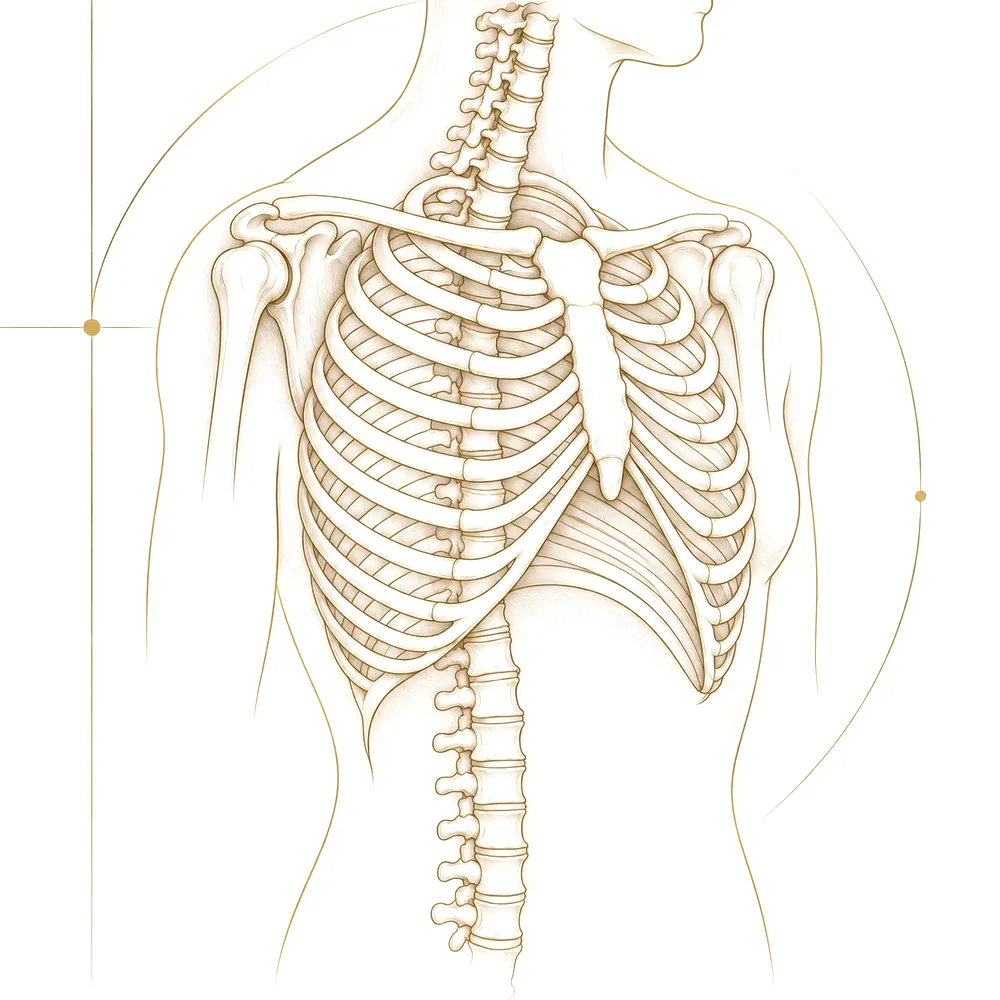
Back, chest and digestion
Reflux, pain between the shoulder blades, chest tightness, bloating, rib pain.
Learn more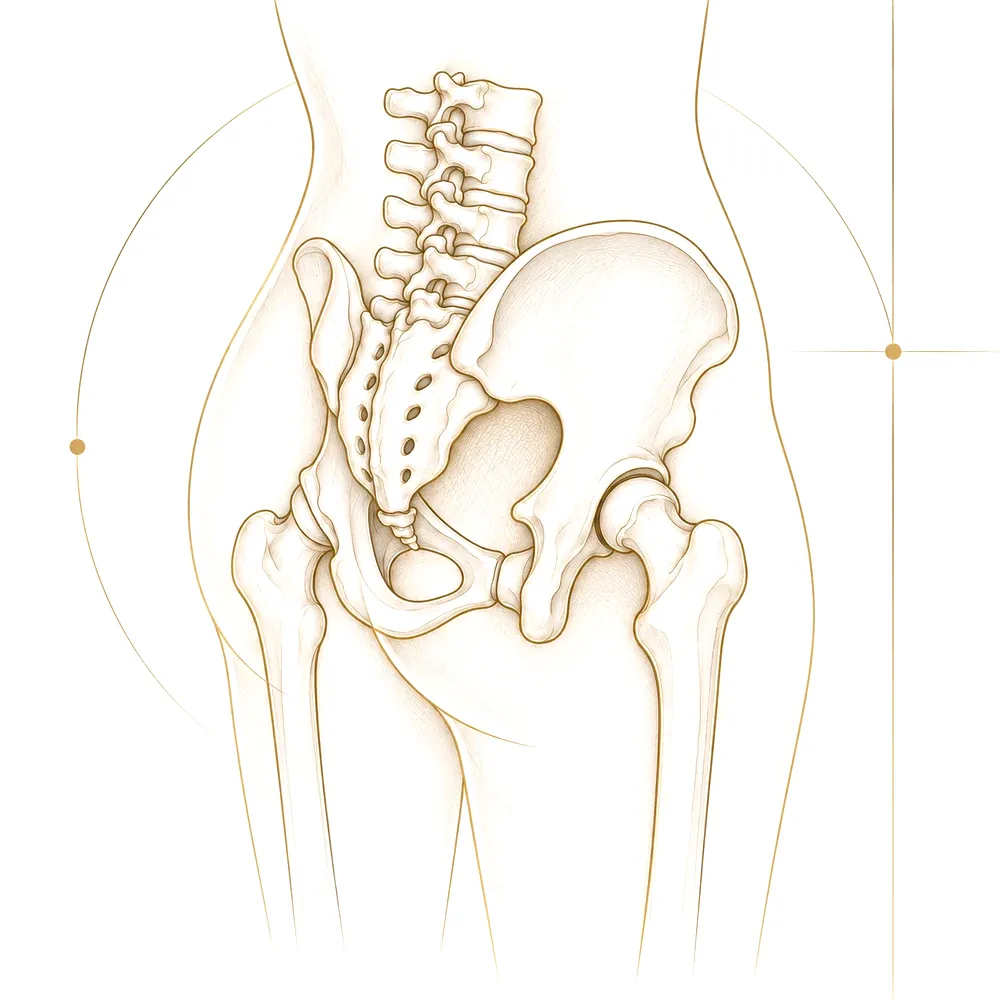
Lower back, pelvis and lower abdomen
Low back pain, sciatica, herniated disc, sacroiliac pain, pelvic pain, recovery after childbirth.
Learn more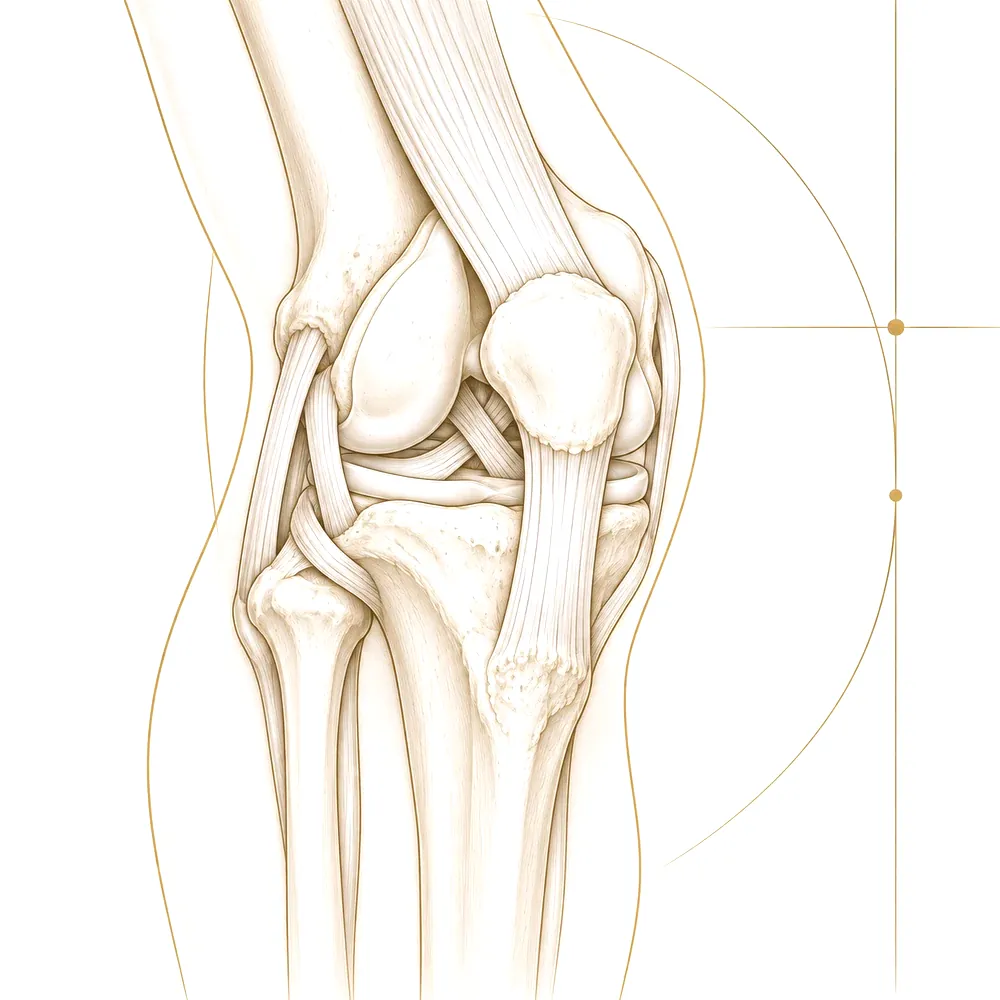
Joints and tendinitis
Shoulder, elbow, wrist, hip, knee, ankle. Tendinitis, sprains and pain that won’t go away.
Learn moreFind the origin of your pain
A consultation helps you understand where your pain really comes from, and how to address it, taking your history into account.